 In this area
The Valencia issue
Benimaclet, Valencia: the village barrio that still runs on its own clock
A former farming village turned student quarter, Benimaclet serves up cheap nights, proper local rituals and a stubbornly lived-in Valencian spirit.

By Vicent NavarroValencia after dark, Ruzafa to El Cabanyal
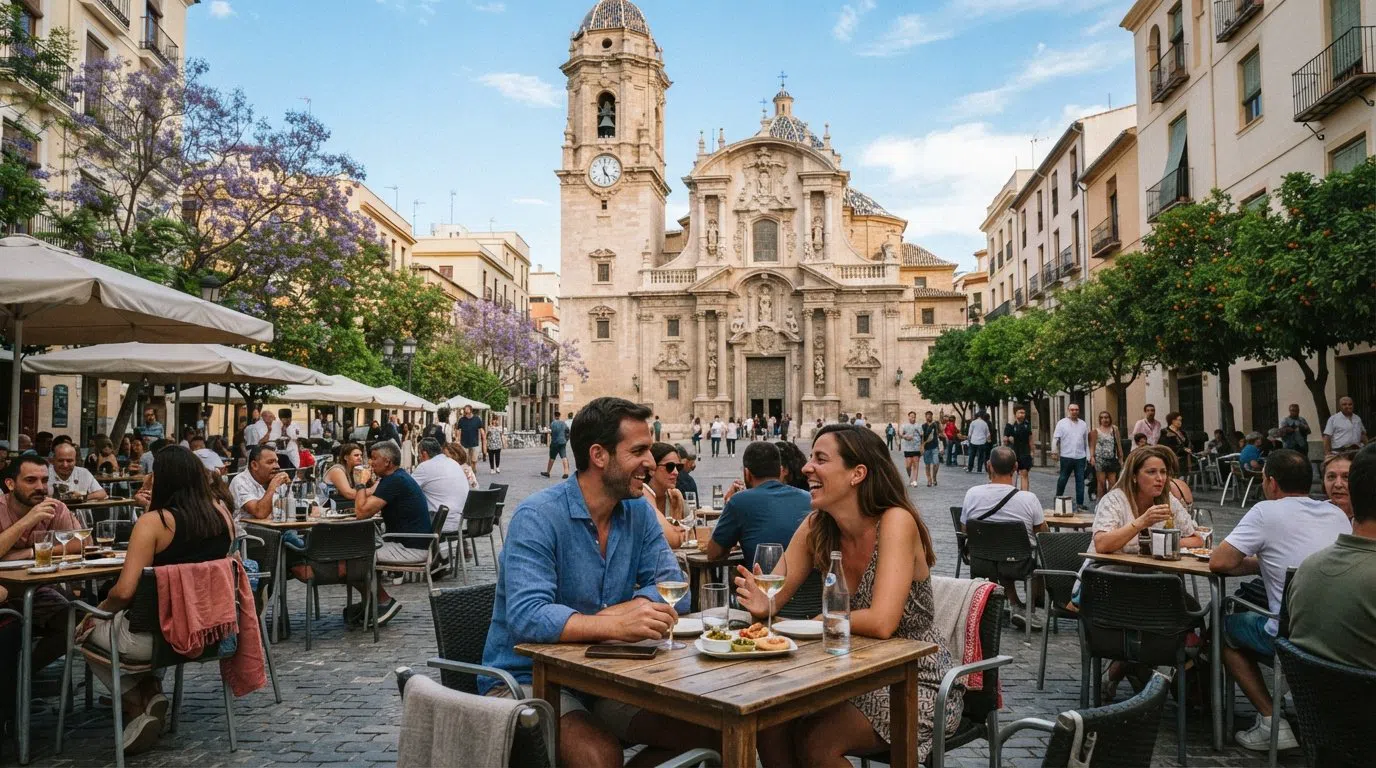
Benimaclet wakes the way old villages do: with coffee under the plane trees off the plaza, a tram bell somewhere nearby, and a bar door already open before the city has fully remembered itself. The square is the clue. This was a farming settlement with its own church and council before Valencia swallowed it in the 1970s, and the place never quite accepted the paperwork. It still behaves like a village with a stubborn streak — low houses, a tight grid, a Friday market, and a bar culture where the barman knows who wants the usual before you’ve even sat down.
What Benimaclet is known for
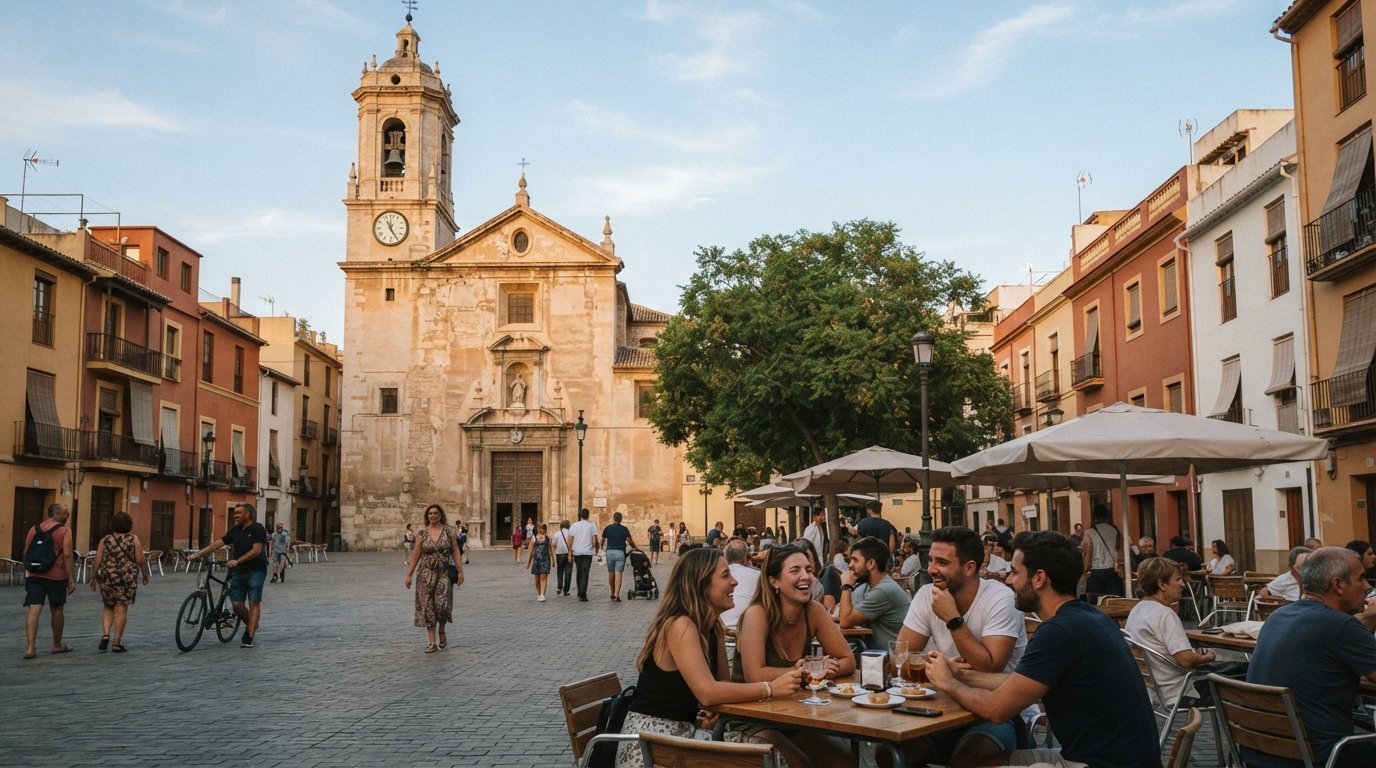
Benimaclet’s whole charm lies in the fact that it has not smoothed itself out for the comfort of strangers. The old core still turns around Plaça de Benimaclet and the parish church of the Asunción de Nuestra Señora, whose origins in the 1590s mark the historic heart of the barrio. That is where the village once gathered, and where it still seems to gather now, only with more tote bags, more bicycles, and more people discussing whether the next round should be vermouth or beer. The street layout tells the story too: this is not an old-town grid made for postcards, but a working village pattern that survived absorption into the city.
What gives the barrio its pulse today is the mix. Proximity to the Universitat de València’s Blasco Ibáñez campuses keeps the streets young and the prices merciful, while artists and priced-out creatives have made themselves at home in the cracks between the older residents. You see it in the community-painted murals down the side streets, in the political stickers on lamp posts, in the residents’ association that fights to protect the surrounding huerta — that ancient market-garden belt on the edge of the neighbourhood — and in the fact that nobody here seems especially interested in looking polished for the benefit of the rest of the city. Benimaclet is scruffy on purpose. It has opinions.
And it has a calendar. Every October since 2014, the streets host Benimaclet conFusió, a free, non-profit festival of open-air music, film, dance and art. That matters, because it tells you the barrio is not just surviving on nostalgia. It is still organising itself, still making its own culture, still turning public space into something shared rather than merely passed through.
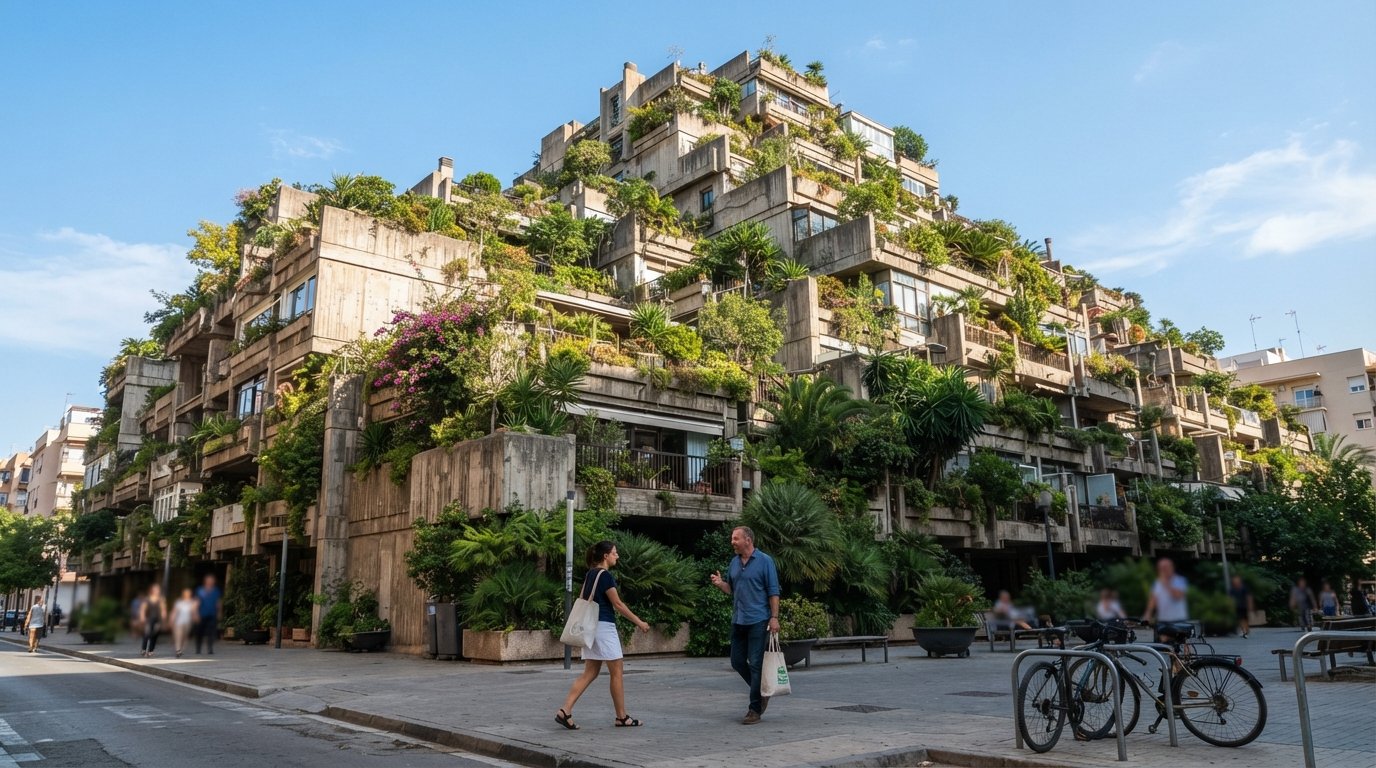
The one building people cross town to see is Espai Verd, Antonio Cortés Ferrando’s brutalist “vertical village” of plant-draped concrete terraces from the 1980s. It rises over the neighbourhood like a provocation in concrete: 108 flats stacked over 15 floors, and somehow it still looks like a dare that the city never answered.
Plan your Valencia trip
Live prices from our booking partners.
Guests & rooms
Free cancellation on many rooms. We may earn a commission when you book.
Where to eat & drink
Benimaclet eats well without making a theatre of it. The best places are the ones that feel as if they were meant first for the neighbourhood and only second for anyone else. El Aprendiz on Avinguda del Primado Reig is exactly that sort of place: a small retro bar with a square-side terrace, doing Peruvian-Asian fusion tapas at fair prices. Warm ceviche, artichoke tempura, a much-praised Russian salad, cocktails to match — it is the sort of room where the menu sounds more ambitious than the room itself, and that is part of the pleasure. In a city where too many places trade on the prestige of their address, El Aprendiz simply gets on with being good.
A few doors along at Primado Reig 149, El Gastrónomo has been here since 1985 and feels like the neighbourhood’s grown-up table. Rice dishes, Mediterranean classics, and a steak tartare that José Javier Martínez still prepares tableside on the gueridón give it a touch of ceremony without the usual Valencia price inflation. Locals will tell you, with the kind of certainty only locals can manage, that the tartare is among the best in the city. I believe them because places that last this long usually know exactly what they are doing.
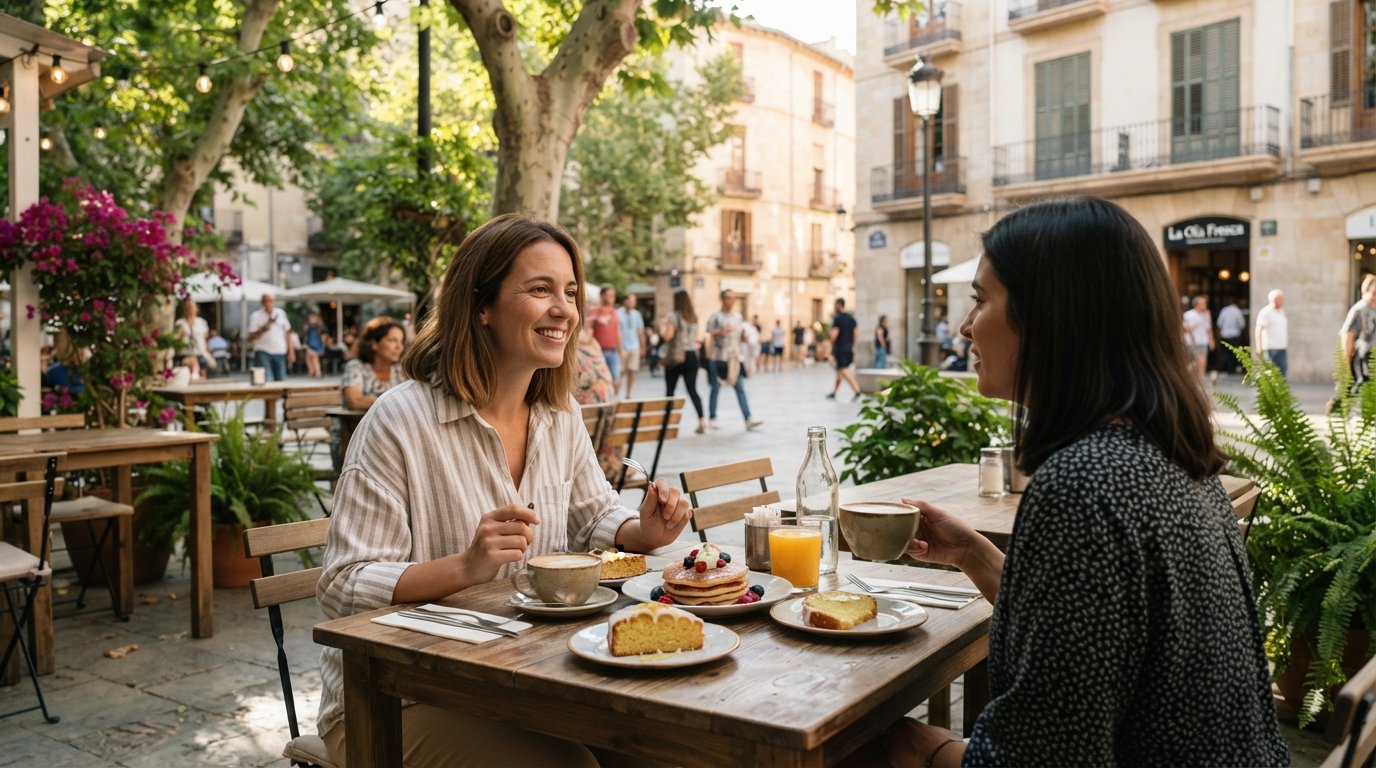
Daytime in Benimaclet has its own soft rituals. La Ola Fresca, run by Helen Westwater, is the standout café for organic-leaning breakfasts, fluffy pancakes, a well-known lemon cake and a Sunday brunch that runs to around 10 euros on a leafy plaza terrace. That last detail matters: Benimaclet is a neighbourhood of terraces, and this is one of the nicer ones to sit on when the morning is still undecided.
If you prefer your coffee with a little more texture, Chico Ostra on the pedestrian Carrer del Músico Belando has been serving coffee among second-hand books, exhibitions and acoustic gigs since 2010. It is part café, part bookshop, part informal cultural noticeboard, which is exactly the sort of hybrid space that Benimaclet does well. For the pure morning run, L'Obrador is the bakery-café to know — the place for pastry and coffee before the day gets ideas above itself.
Then there are the more offbeat corners. El Carabasser on Reverend Rafael Tramoyeres builds its tapas around pumpkin — carabassa — and pours local craft beer. That alone tells you the neighbourhood sense of humour: a bar that takes a humble vegetable and turns it into a calling card. Pata Negra on Carrer del Baró de San Petrillo does a lunchtime menú del día around 12 euros in a courtyard, which is about as Benimaclet as it gets — straightforward, sociable, and priced so you can afford to come back tomorrow.
Going out
At night, Benimaclet stops pretending to be anything other than a place for cheap rounds, live music and long conversations that drift past the hour you meant to leave. The gravitational centre is Kaf Café, part bar, part cultural space, part community library, and the barrio’s living room. Wine flows to live piano, poetry recitals and local bands, and there is an open-mic night mid-week. If you only have one evening here, start there. It is the sort of place that reminds you nightlife does not need a velvet rope to have a point.
Around the corner on Carrer d’Enrique Navarro, Café London — also billed as London Benimaclet — is the reliable cocktail-and-gin pub, with a dartboard and a long-running Tuesday deal that puts classic cocktails at about 5 euros from 8pm. Sharing the same street, Loca Bohemia is a rock bar run “by musicians, for musicians,” which is usually code for a room where the volume is honest and the people at the bar would rather talk about records than logistics.
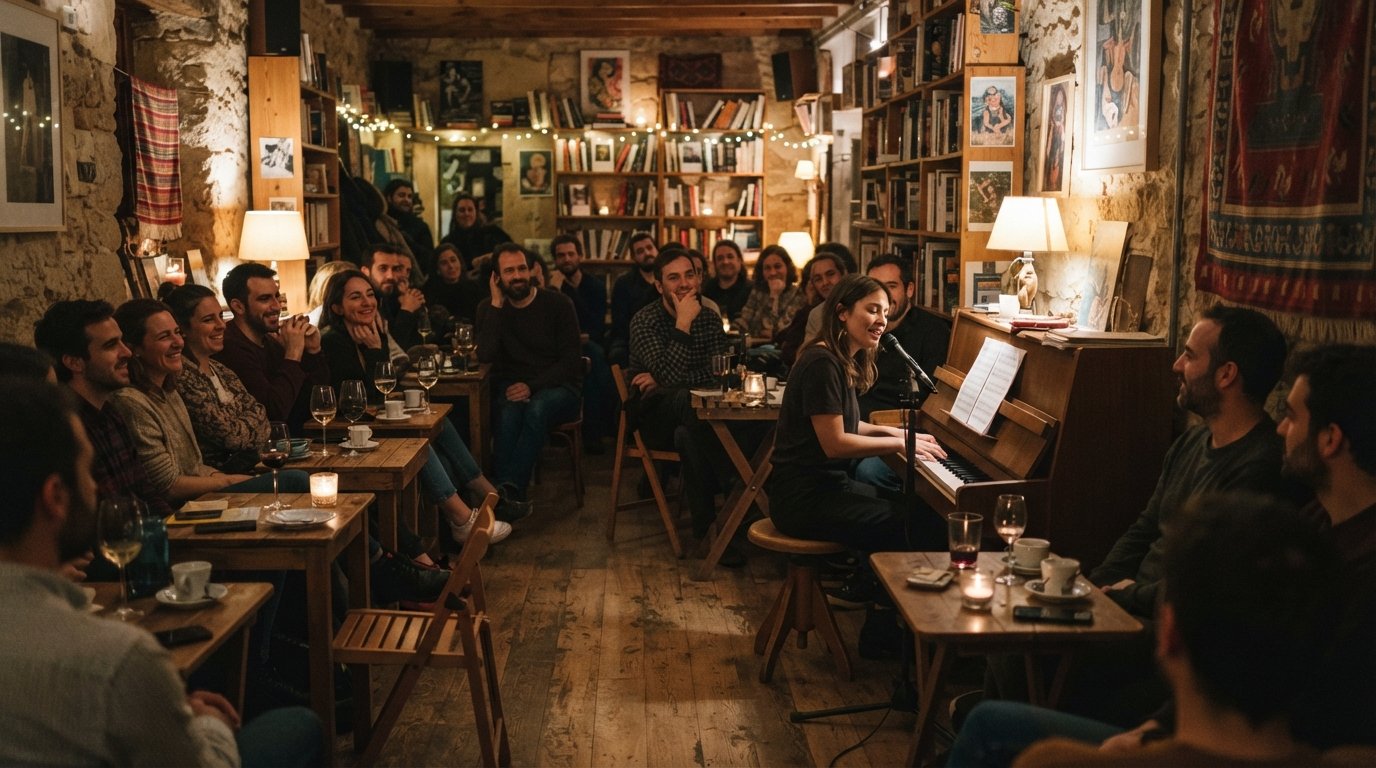
The squares themselves do a lot of the heavy lifting. On a warm night the terraces off the plaza and around Reverend Rafael Tramoyeres fill up, and you can bar-hop on foot without ever needing a taxi. Pub Colonial on Carrer del Doctor Vicent Saragossà keeps the late crowd going, and La Copa Rota on Reverendo José María Pinazo rounds out the copas circuit. Nothing here is trying to become a mega-club. That is the relief. Benimaclet does not need a dance temple to prove it is alive; it has terraces, live music and enough cheap drink to keep the conversation moving until late.
Things to do / what to see
Benimaclet is not a neighbourhood for ticking boxes. It is a place for walking with no great plan and letting the details assemble themselves. Start at Plaça de Benimaclet and the church of the Asunción de Nuestra Señora, then follow the side streets outward. The murals change often, the stencils come and go, and the political stickers on lamp posts are part of the décor whether the city likes it or not. This is a free open-air gallery, though nobody here would call it that with a straight face.
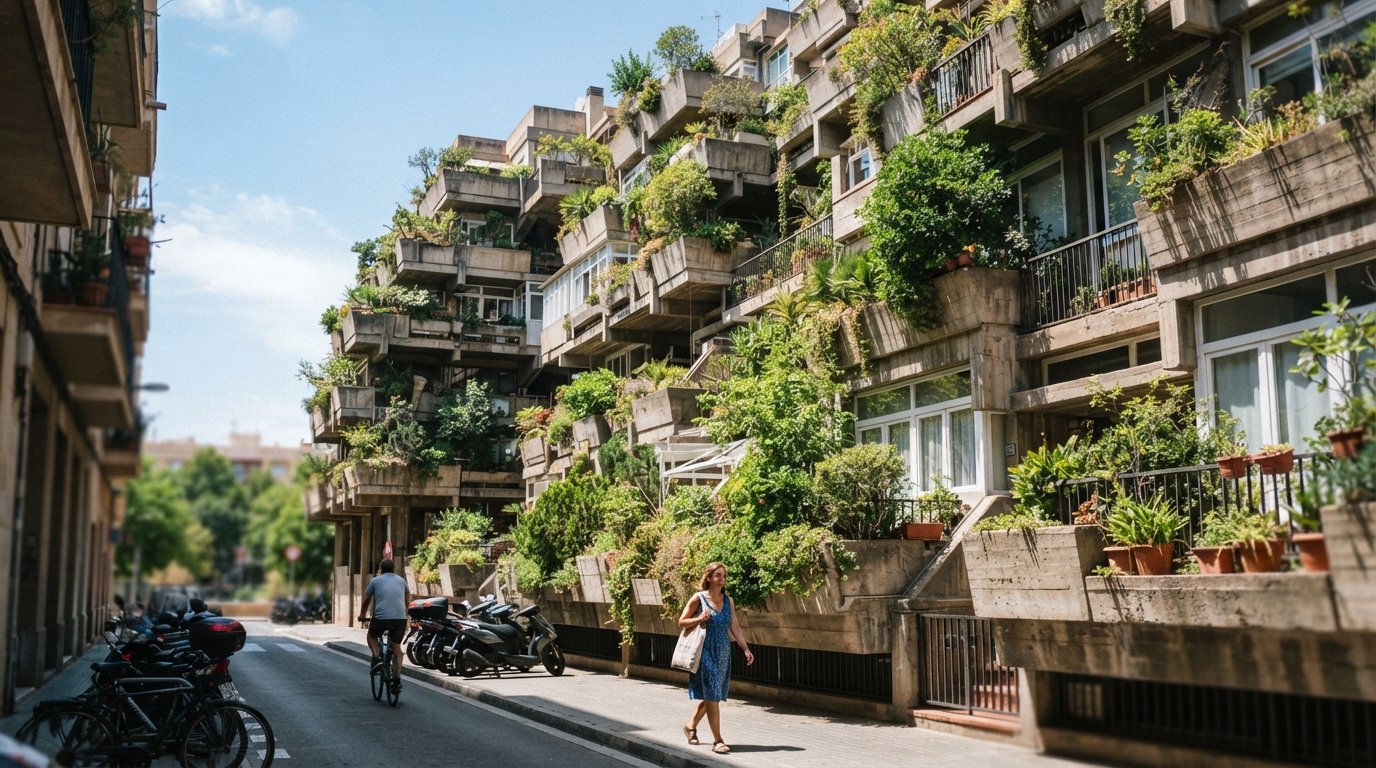
From there, make for Espai Verd. Even if brutalism is not usually your thing, this one earns the detour. The plant-draped terraces soften the concrete just enough to make the whole thing feel improbable, a high-rise village in a neighbourhood that already behaves like one. It is best admired from the street, where you can take in the stacked terraces and the sheer audacity of the idea.
The barrio’s activist-green side is equally worth your time. The Huertos Urbanos de Benimaclet, community allotments started in 2012 on reclaimed land, sit where the neighbourhood meets the surviving huerta. Walk a little farther north and the city begins to thin into the market gardens that once fed Valencia. It is one of the most important things about the place, even if it is quieter than a monument and less photogenic than a church facade: Benimaclet still argues for the land around it.
If you are around in October, Benimaclet conFusió takes over the streets with free music, film and performance. Otherwise the attraction is simpler and, in its way, better: a vermouth in the square, a market crowd moving slowly past the stalls, an afternoon dissolving in the company of people who are not in a hurry to perform the city for you.
Don’t miss in Benimaclet
The village-like Plaza de Benimaclet
Cultural associations hosting live poetry and music
Affordable student-friendly tapas bars
Shopping & markets
Shopping in Benimaclet is not about labels. It is about rhythm, habit and the small usefulness of things. The big event is the Friday street market (mercadillo), roughly 25 stalls that set up around the plaza from about 9am to 2pm. You get clothing, footwear, leather goods, handicrafts and second-hand books, all a couple of minutes from the tram stop. It is the sort of market where you can still buy something practical and leave with a paperback you did not know you wanted.
On Saturdays, the same square turns over to the Mercat de l’Horta, where growers from the surrounding orchard sell vegetables, fruit and seasonal produce direct, again roughly 9am to 2pm. That directness matters here. It is not a curated food hall pretending to be local; it is local.
On the second Sunday of the month, the self-managed Benimarket brings around twenty stalls of clothing, books, jewellery, toys and illustration. Between those dates, the independent shopfronts scattered through the grid do the rest: small organic and zero-waste grocers, second-hand and vintage spots, the odd design or bookshop. Chico Ostra doubles as one of those, which feels right for a barrio that likes its commerce mixed with conversation.
Where to stay in Benimaclet
Benimaclet is a budget-friendly, resolutely residential base — long on apartments and rooms, short on big hotels — so it suits travellers who care more about atmosphere and price than about a lobby that smells like polish. Stay near Plaça de Benimaclet and the old village core if you want the most character and the shortest walk to the market and the best bars, but accept the trade-off: warm nights can run loud, and the terrace chatter does not always respect bedtime.
For a bit more calm, choose a street a block or two off the plaza, or head nearer the metro/tram interchange on the barrio’s western edge, where you trade some of the village feel for easier transport and a touch more quiet. The overall price level is well below the old town, which is a large part of why students, longer-stay visitors and remote-working types keep drifting here. It is one of the cheaper places to eat, drink and sleep in central Valencia, and it knows it.
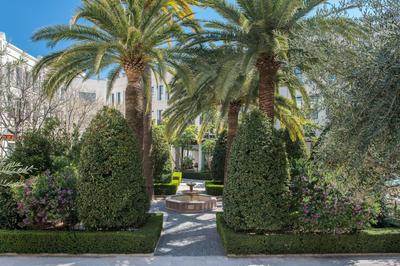
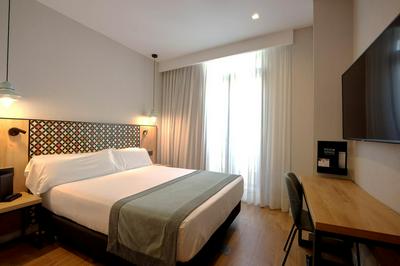
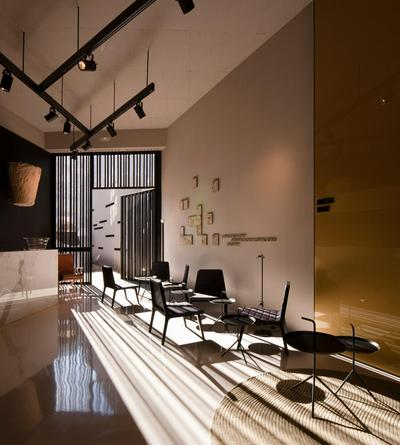
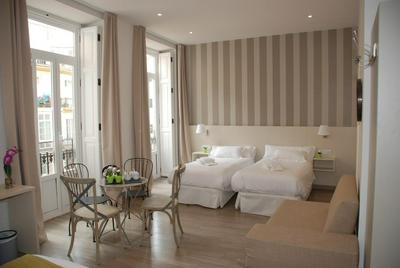
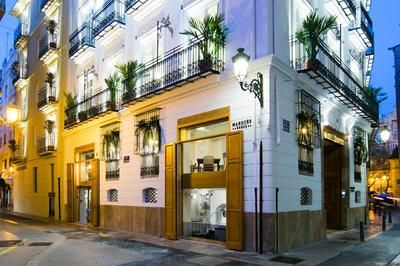
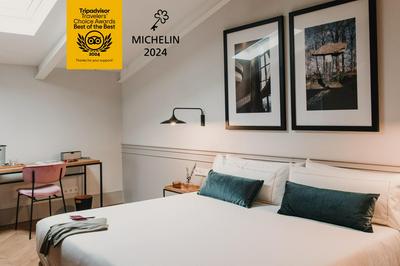
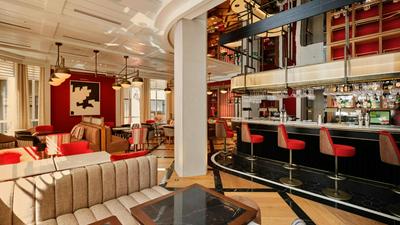
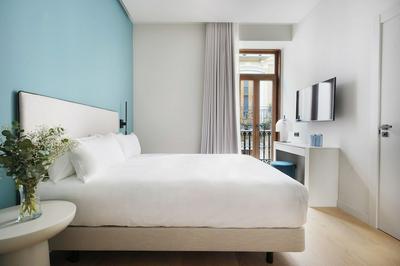
Hotels in Benimaclet
Our best-rated stays in this neighbourhood. Prices are approximate “from” rates — confirmed at the provider when you continue. We may earn a commission if you book through our partners — at no extra cost to you.
In this area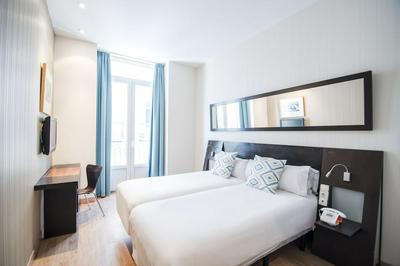 In this area
 In this area
 In this area
 In this area
 In this area
 In this area
 In this area
 In this area
 In this area
 In this area
Getting around
Benimaclet is one of Valencia’s best-connected barrios, and that is half the point of living or staying here. The Benimaclet interchange links Metro lines L3 and L9 with tram lines L4 and L6, so you can reach the old town, Xàtiva/Estació del Nord and, via the tram, the Malvarrosa and Cabanyal beaches without any heroic planning. The nearby Empalme stop is the main tram junction. A single ride starts at around 1.50 euro, and the ride into the centre takes roughly 10 minutes.
It is also a walking and cycling neighbourhood in the proper sense. The grid is compact and flat, errands are easy, and the traffic-free Túria river-park is a short ride away, plugging you into the citywide bike network that runs down to the City of Arts and Sciences and on to the sea. For most visitors, feet plus the occasional metro or tram covers everything. A car, frankly, is a liability here. Benimaclet works best at street level, where the life is.
Gallery
Benimaclet in pictures
Benimaclet — your questions
Is Benimaclet a good area to stay in Valencia?
Yes — if you want an authentic, budget-friendly and lively base rather than sights on the doorstep. It is a former village turned student-and-creative barrio, with cheap bars, a Friday market and excellent metro/tram links to the centre and beaches. It is less ideal if you want big hotels, quiet nights or monuments nearby.
Is Benimaclet safe at night?
Generally yes. It is a busy, well-populated neighbourhood where nightlife is more terrace-and-live-music than rowdy clubbing, and locals of all ages are out late. Use the usual big-city common sense around the busiest bar streets after 2am and you will be fine.
How do I get from Benimaclet to the city centre and the beach?
Benimaclet is a transport hub: Metro lines 3 and 9 reach the centre in about 10 minutes, while tram lines 4 and 6 run toward the Malvarrosa and Cabanyal beaches. It is also very walkable and cycle-friendly.
What is Benimaclet best for?
Affordable local nightlife, live music, student and creative energy, and value eating — with a village feel that still survives inside the city.