The fires burn on the night of March 19th, in every square at once, and by the next morning the city is a different place. Street cleaners have the ash off the cobbles before the tourist buses arrive; the scaffolding that held each falla comes down within days; the brass bands and gunpowder go quiet. This is not the Valencia most guides describe — it is the week after, when neighbourhoods that spent a year building toward one loud night quietly start eating breakfast again.
That reset is not dramatic. It is a city going back to its ordinary rhythms — market stalls, horchata terraces, standing-room taverns — at exactly the pace it always has, just with the scaffolding gone and the streets a little emptier of visitors than they were a week before. For a traveller who times it right, it is a genuinely different way to see Valencia: the same places, minus the crowds, plus the specific relief of a city that has just finished something enormous.
The markets wake up first
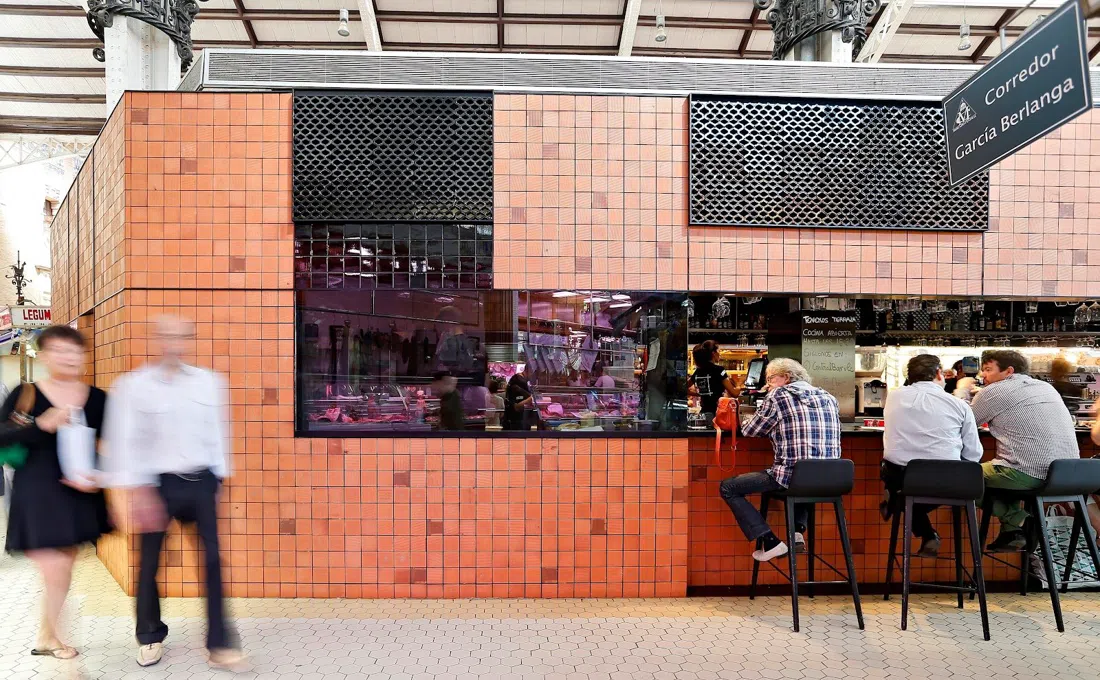
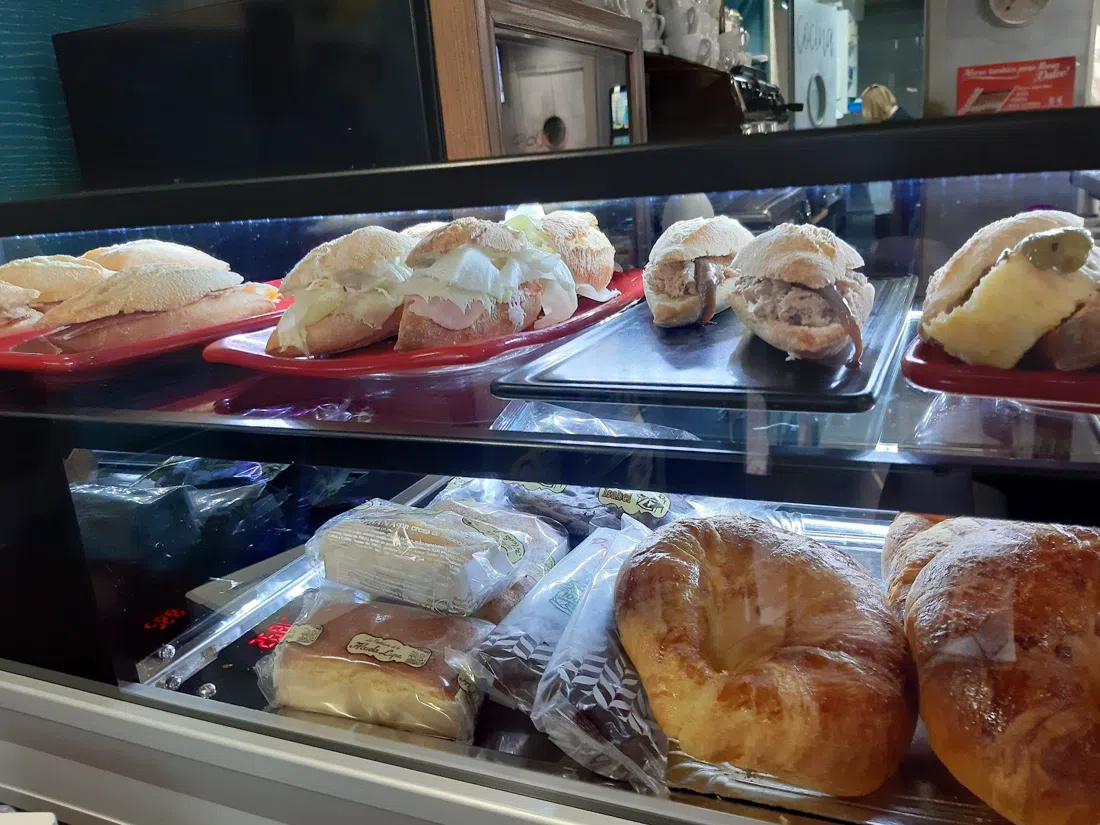
Before the cremà's ash has properly settled, Valencia's mid-morning ritual is already back. Central Bar (Mercado Central, Ciutat Vella) is Ricard Camarena's almuerzo counter inside the market itself — no reservations, stools and counter space only, and it is genuinely best before 10am, when the market's own porters and stallholders are still working through their sandwiches and small beers. Small groups queue together rather than being seated; a sandwich and beer runs €6-10. This is the actual pulse of the old town resuming, not a performance of it.
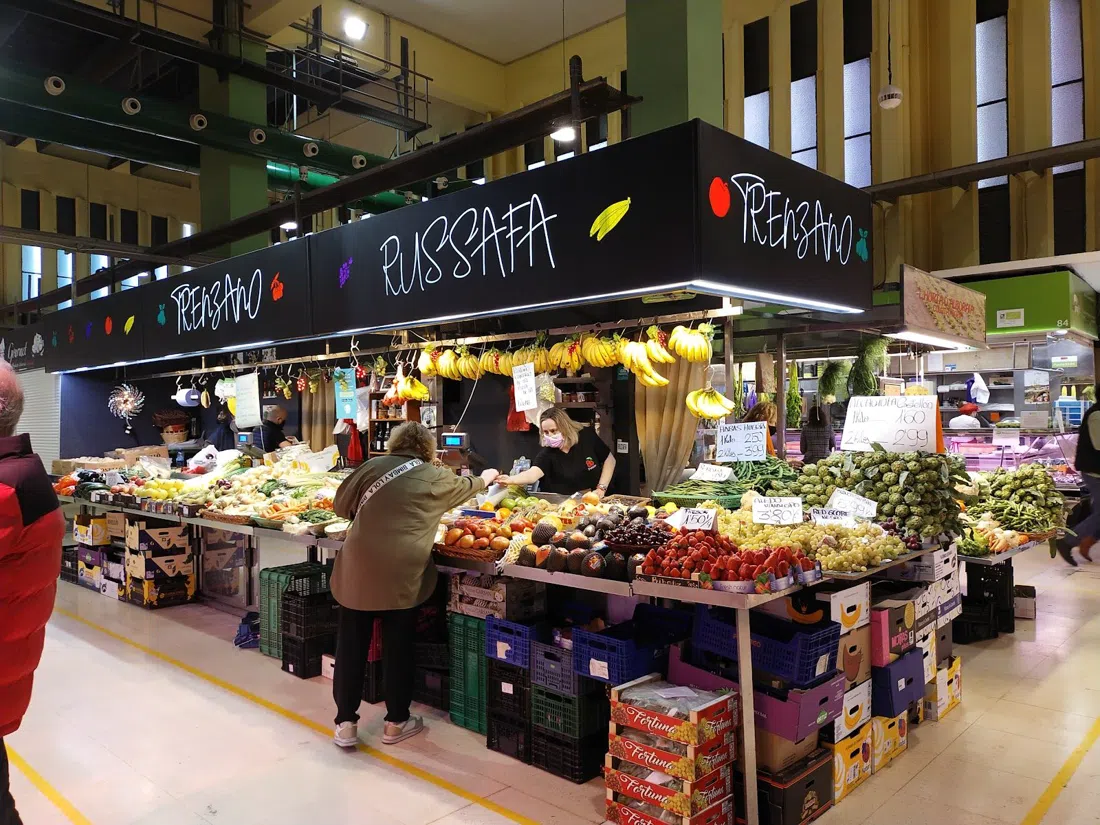
Across town, Mercado de Ruzafa (Ruzafa) does the same job for its own district. Ruzafa's casal falla goes dark for a year the moment its monument burns, and it's this unglamorous daily market — closed Sundays, no fuss, produce and snack stalls — where the neighbourhood's pulse actually comes back first, days before the bars around it feel normal again. It rewards a self-guided wander rather than a fixed itinerary; budget €5-10 for a coffee and a pastry from one of the stalls.
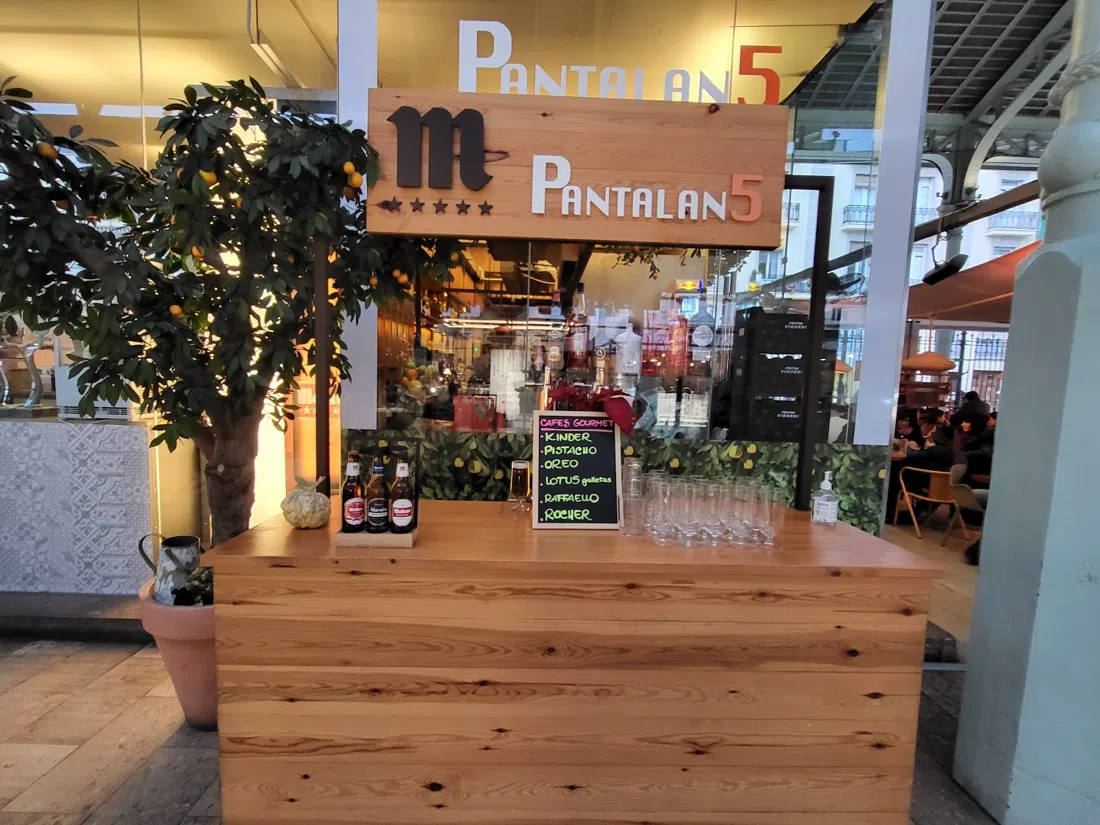
Mercat de Colón (Eixample) is the polished counterpart to both — a Modernista glass-and-iron market hall now given over largely to bars and restaurants rather than produce stalls. It's the better choice for a group that wants to split up and reconvene: everyone can peel off to a different counter and meet back at a shared table twenty minutes later. Expect €€-€€€ depending on the outlet, and go mid-morning rather than at lunch, when it fills with office workers from the surrounding Eixample streets.
Horchata comes back to the terraces
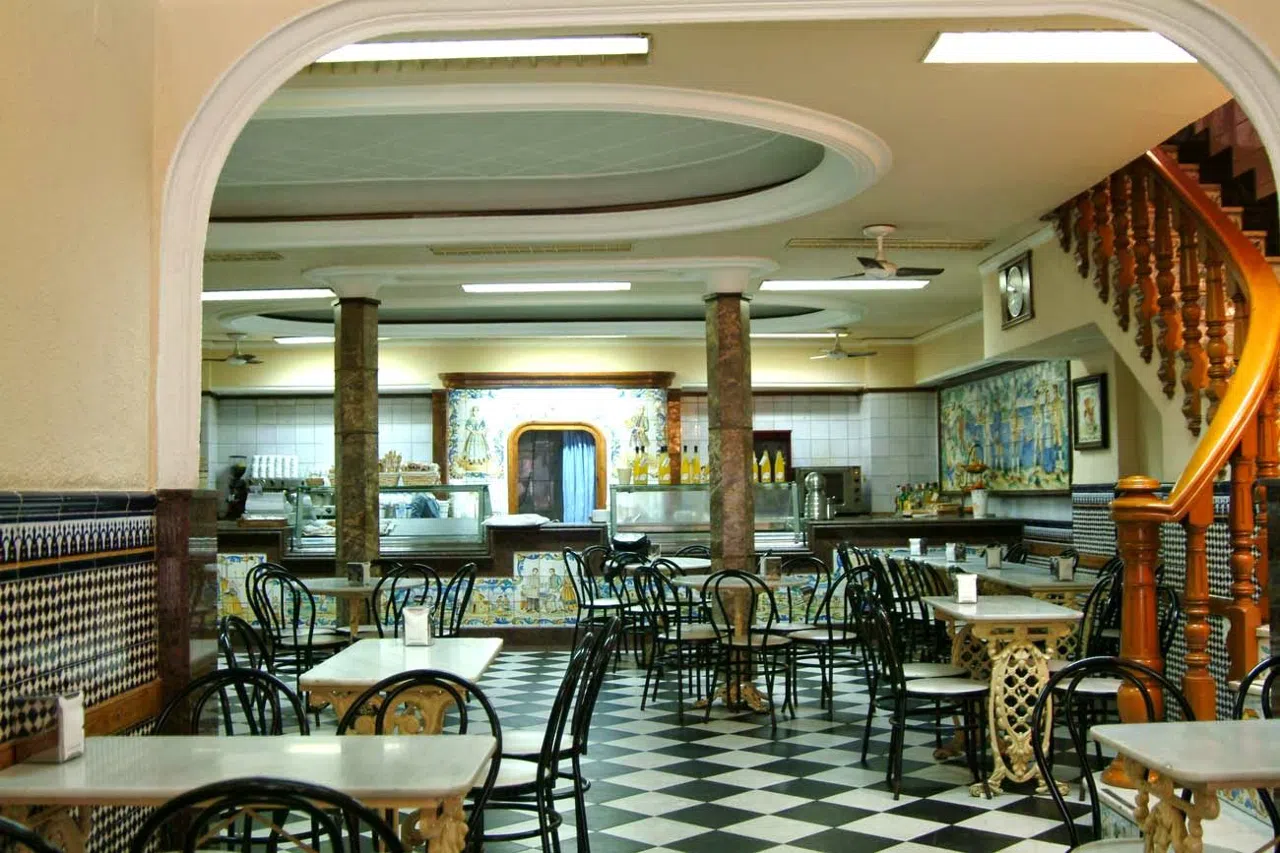
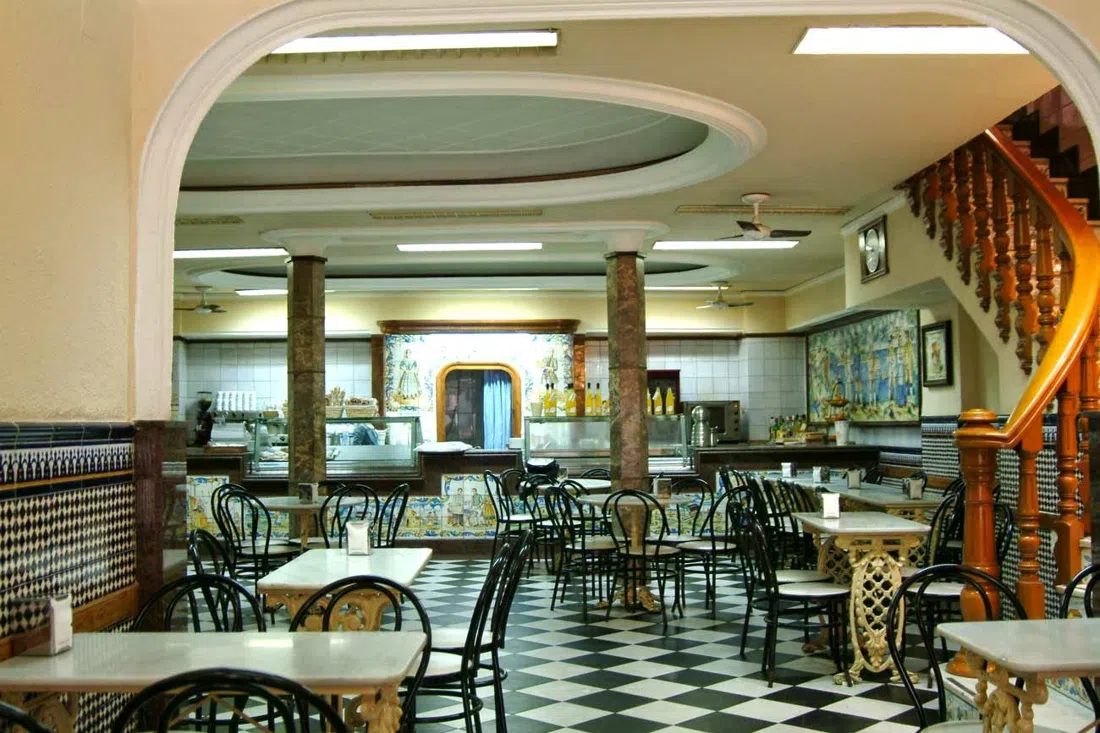
If one drink signals that Valencia has exhaled, it's horchata, and Horchatería Santa Catalina (Ciutat Vella, on Plaza Santa Catalina) is the place to watch it happen. This is the archetypal scene of the week after Fallas: locals back at the café's marble tables for horchata and fartons within days of the cremà, on a square that a week earlier had a falla monument burning a few metres from its door, and where ash is still being swept off the Carmen's surrounding cobbles. It's a proper sit-down café, inside or on the square terrace, fine for groups of four to six, and you won't need to book outside peak hours. A horchata and fartons for two runs around €5-6 per person.
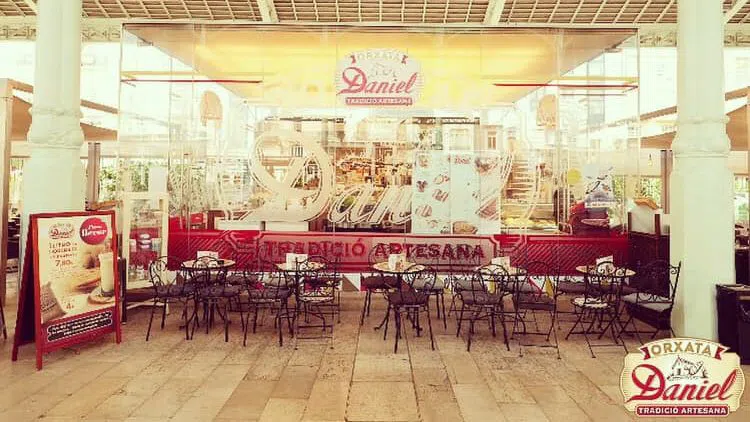
For the same drink at its source, Horchatería Daniel (Alboraia, on the huerta fields north of the city) is worth the short trip out. It's been family-run since 1949 on the actual chufa — tiger nut — fields that supply Valencia's horchata, and once the casales go quiet in the week after Fallas, this becomes the quintessential post-festival excursion: a slower, greener version of the same ritual, with a large terrace that copes easily with coach groups and families. It's also noticeably cheaper than the city-centre version, at €3-5 per person. Take the tram or a bus north from the centre; it's a 20-30 minute trip, not a detour to make on a whim if you're short on time.
The old-town taverns exhale
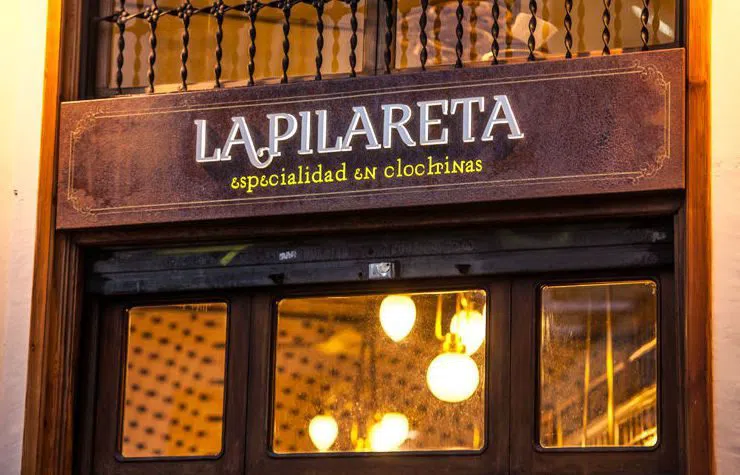
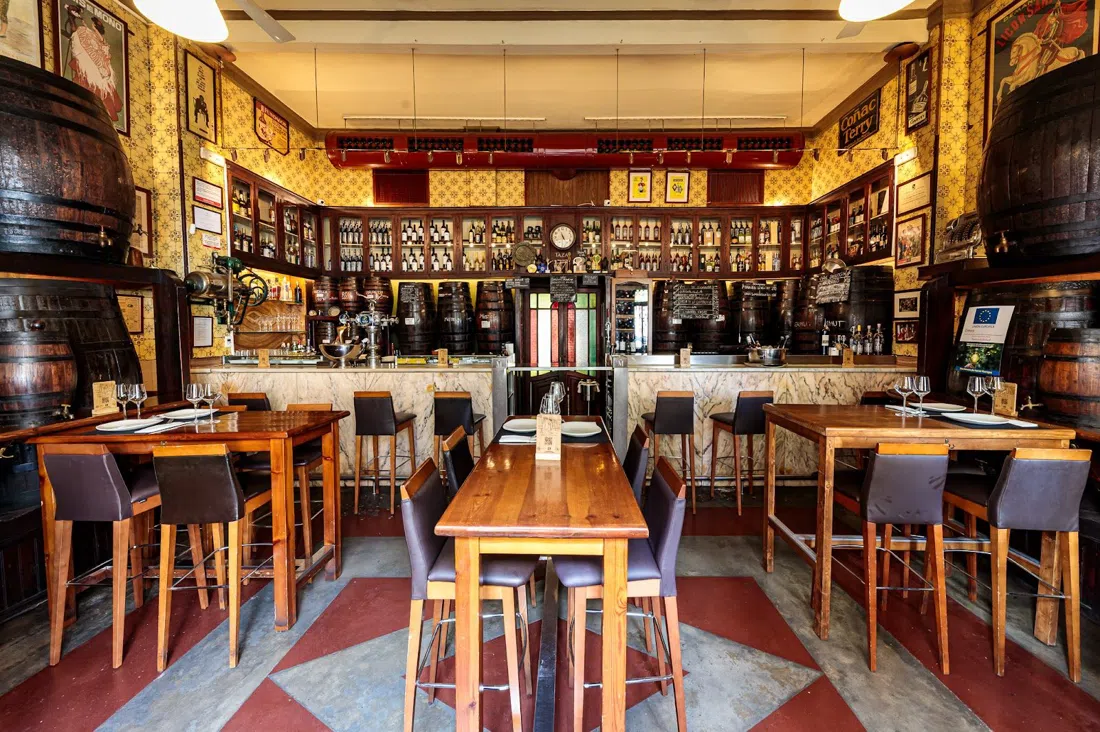
El Carmen's taverns are the clearest proof that ordinary life resumes within days of the fires, not weeks. La Pilareta (El Carmen) has been open since 1917 and does one thing well: clochinas — the small local mussels — served at a communal standing bar with no reservations taken. Groups of six to eight can be managed if you arrive early, but this is not a place to turn up at 9pm and expect a table; it's standing-room, first-come, and that's the point. Tapas plates run €5-12. A week after the cremà, this is where you'll find the district's actual regulars, not festival crowds.
Down by the sea, Casa Montaña (El Cabanyal) sets a different tone entirely — a historic bodega named the world's best wine bar in 2023, with several proper dining rooms rather than a standing bar. It takes groups, but only with an advance reservation, and at €30-50 per person for tapas and wine it's a step up in both formality and price from La Pilareta. What it offers is Cabanyal's own version of the post-Fallas rhythm: quieter, saltier, and further from the old-town crowds, which is exactly why it's worth the taxi or tram ride out.
Evenings move back indoors
Once the plazas empty out for the year, Valencia's evenings retreat into rooms rather than squares, and Café de las Horas (near Plaza de la Virgen, Ciutat Vella) is where that happens best. It's steps from where the Ofrenda — the flower offering to the Virgin — has just wound down, and it plays the same theatrical, unhurried role for the week the plaza itself goes quiet again: several ornate rooms, candlelight, cocktails at €10-14. It takes groups of six or more, but the door queues build fast after 8pm, so arrive before that if you want to walk straight in rather than wait on the street.
Green space the fires never touched
Not everything in Valencia needed a week to recover, because not everything was touched. The Turia Gardens small-group bike tour runs through the former riverbed that loops the old town — a park that was never part of the cremà and never needed sweeping. It's arguably the cleanest visual metaphor for the city's reset: private tours take two to fifteen people, bikes and a guide included, for around €20-25 per person, and it's an easy, low-key way to see the city's geography without dealing with door policies or reservations.
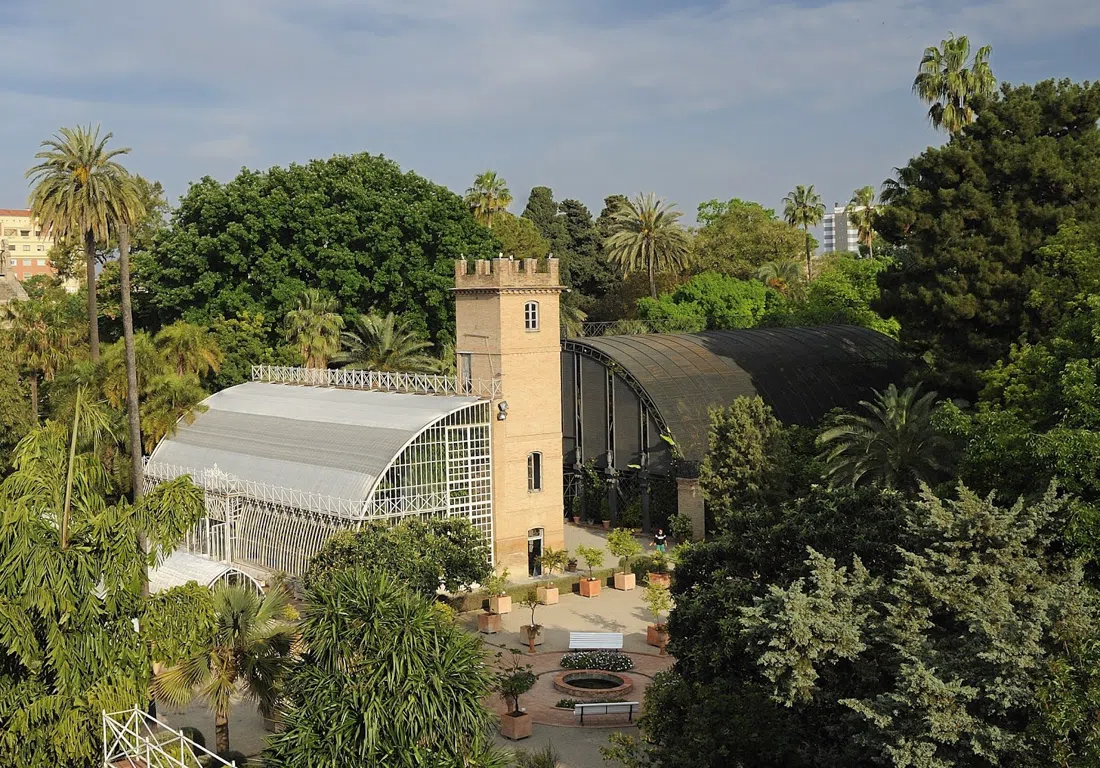
Inside the old walls, the Jardí Botànic de la Universitat de València (Ciutat Vella, near Carrer de Quart) does something similar on foot. It is, unglamorously, the quietest square metre in Valencia the week after Fallas — a working university botanical garden a few streets from where the loudest fires burned, visited either self-guided or through the reserved-visits line for groups. Entry is a small fixed fee. This is the reset made physical: walk five minutes from a plaza that had a monument burning in it a week earlier, and you're under palms and cycads with almost nobody else around.
Long lunches, and the one place the fire still burns
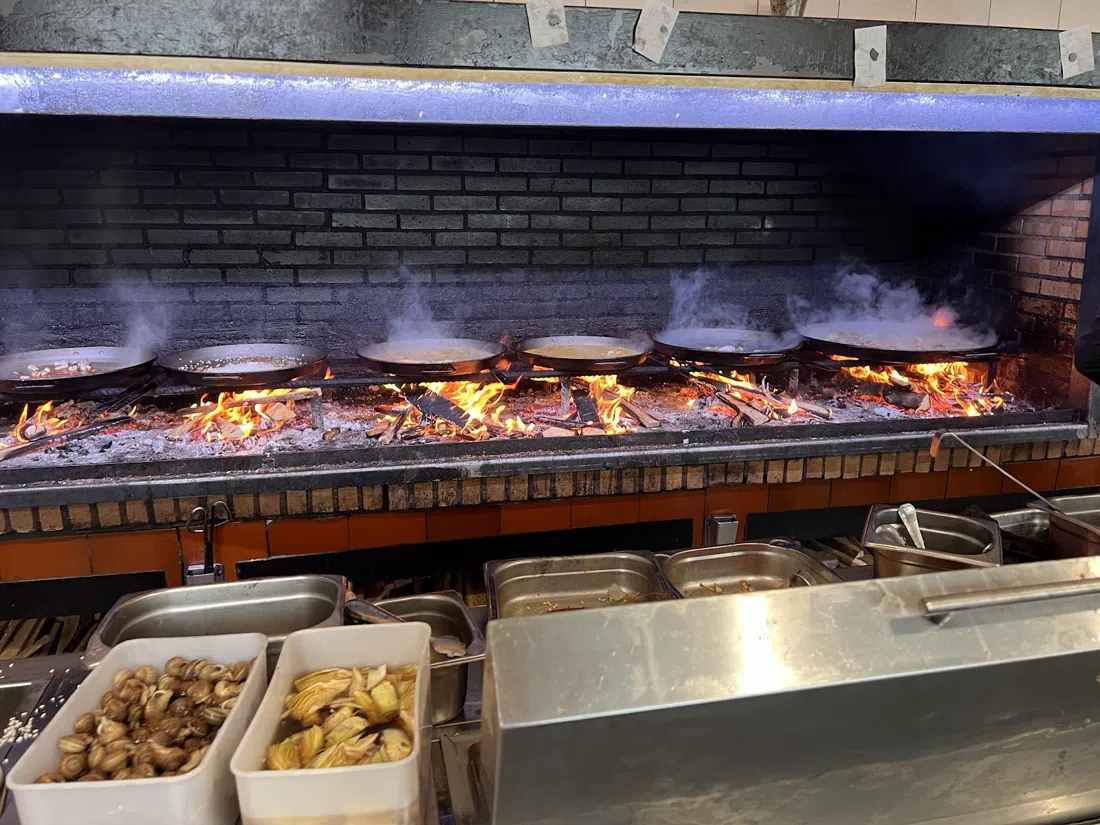
The week after Fallas is, more than anything, when Valencia trades casal noise for long lunches, and Casa Carmela (on the Malvarrosa/Cabanyal beachfront) is where that trade is most visible. It's an arrocería with several dining rooms, reservations essential for any group, and a minimum spend that applies whether you order it or not — budget around €50 per person. The kitchen runs a strict 13:00-16:00 window and nothing else, which tells you everything about how it's meant to be used: one unhurried beachfront lunch, not a flexible meal you can push to 9pm.
For the one place the festival itself hasn't gone quiet, the Museu Faller de València (near Ciutat de les Arts i les Ciències, Monteolivete) holds the ninots — the figures spared each year by public vote — that survive the cremà. It's self-guided, easy for groups, open Monday to Saturday 10:00-19:00, with a small entry fee. Set against the empty scaffolding and swept plazas outside, it's a deliberately quiet counterpoint: the only place in the city where Fallas' imagery doesn't disappear on March 20th.

For context on where to base yourself for any of this, the Valencia guide covers the wider city; this piece is specifically about the week most visitors skip.
Getting around, cash and timing
Timing. The cremà falls on the night of March 19th, 2026. The reset described here runs through the following week, roughly March 20th to 27th — after that, Easter crowds start building and the city's rhythm changes again. Casa Carmela's kitchen only runs 13:00-16:00; the Museu Faller is closed Sundays, as is Mercado de Ruzafa.
Transport. The old town — El Carmen, Plaza Santa Catalina, Plaza de la Virgen — is walkable end to end in twenty minutes. Ruzafa and the Mercat de Colón are a similar walk south and east, or a short metro hop. El Cabanyal and the Malvarrosa beachfront (Casa Montaña, Casa Carmela) are reachable by tram or a 25-minute walk from the centre. Alboraia, for Horchatería Daniel, needs the tram or a bus north of the city — allow half a day if you're combining it with anything else.
Cash. Most market counters and taverns now take cards, but small standing bars like La Pilareta and market stalls at Ruzafa still run more smoothly with cash on hand for quick transactions.
Budget. A morning at Central Bar plus an afternoon horchata runs €15-20 per person. A tavern crawl through El Carmen adds €20-30. The one splurge worth planning around is Casa Carmela or Casa Montaña, both closer to €50 per person once wine is involved. For where to stay while you do all this, see Valencia hotel search.