
By two in the afternoon on any day in March, a wall of noise rolls across Valencia's old town and rattles the shop windows from Russafa to the port. But the city never fully goes quiet between festivals — spend a week here outside the fallas calendar and you'll still catch the crack of a firecracker on an ordinary Tuesday evening, the smell of spent gunpowder drifting past a café terrace. This is a culture on permanent low simmer, not a switch that flips once a year, and the places below are where you actually feel that.
The Daily Detonation: Plaça de l'Ajuntament
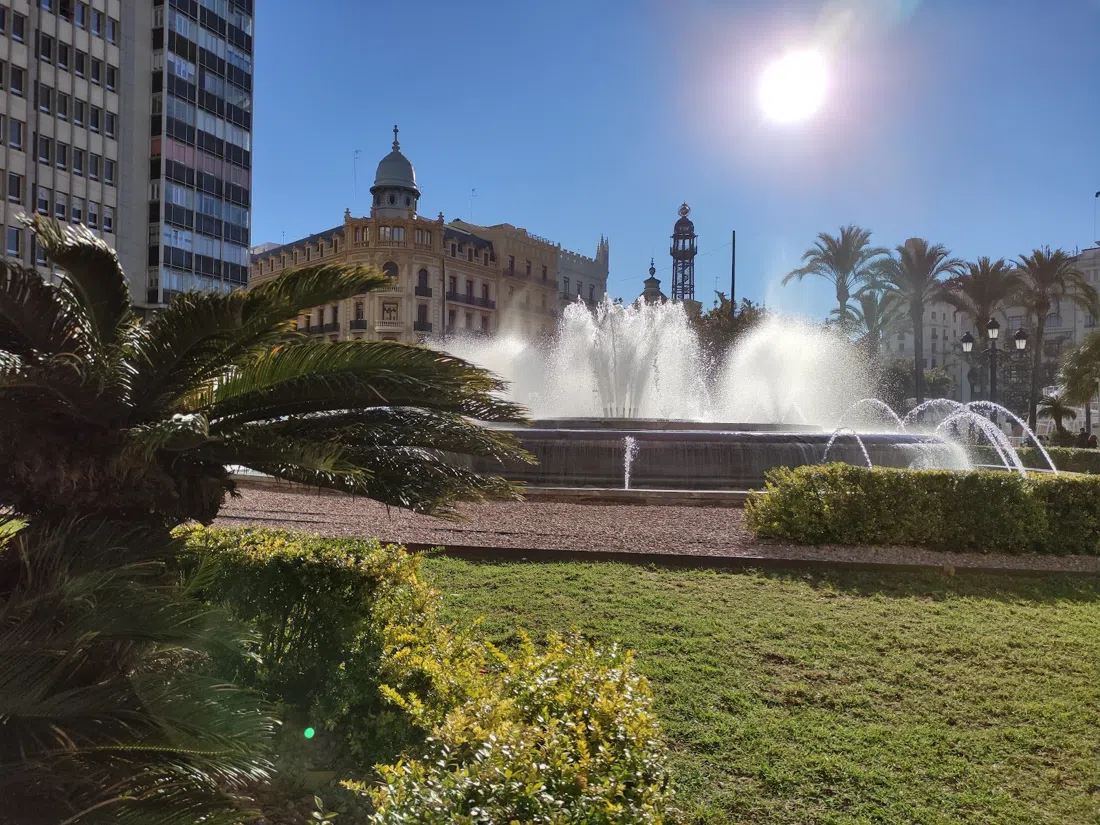
Everything in this piece radiates out from one square. Plaça de l'Ajuntament is where the mascletà — a scripted, escalating barrage of firecrackers built for rhythm and pressure rather than colour — goes off every day at 2pm through fallas season in March. It's free, there's no booking, and that's exactly the problem: locals know to arrive 45 minutes early to get anywhere near a sightline, and if you turn up at 1:55pm you'll be listening to it from three streets back, which is a genuinely different experience — the low-frequency thump in your chest is most of the point, and it fades fast with distance. Go earlier than you think you need to.
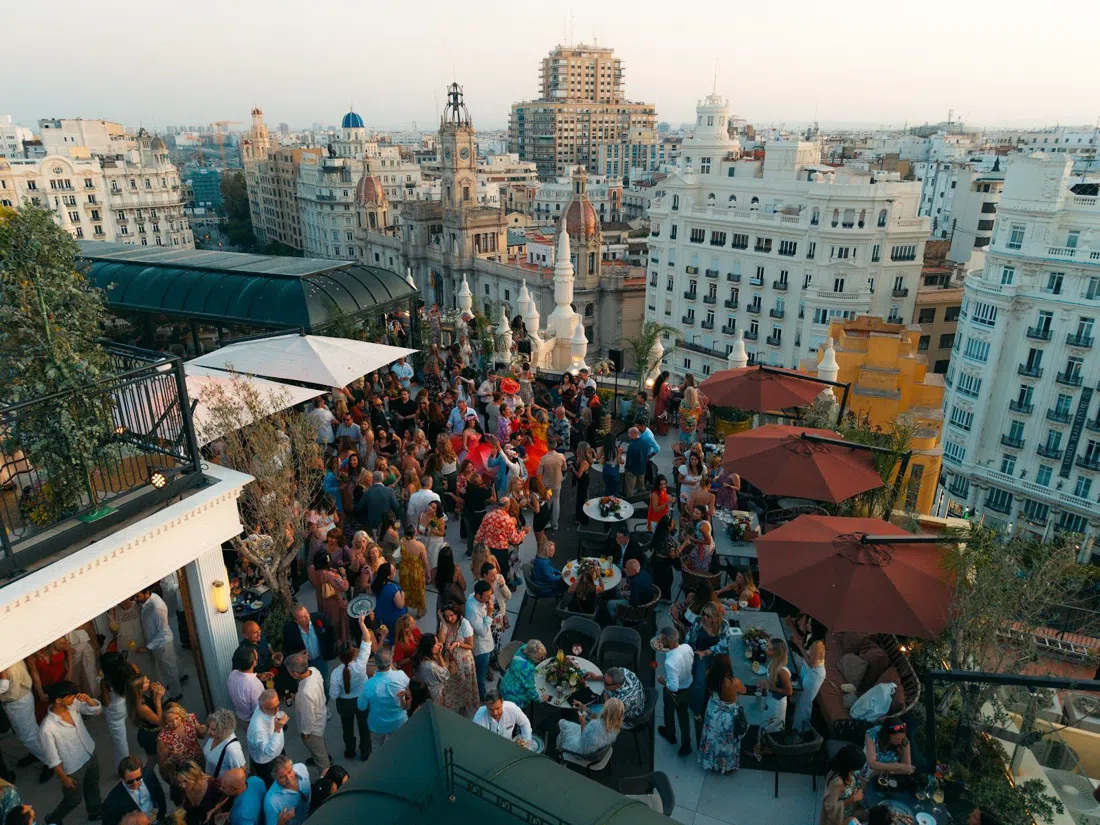
If standing in a packed square with your ears ringing isn't your idea of a good time, the honest alternative is above it. The Ateneo Mercantil de València, specifically its rooftop terrace Atenea Sky, looks straight down onto the blast zone from 400 square metres of open-air terrace, ticketed with food and drink packages during the March run. It's not cheap and capacity is genuinely limited, so book ahead rather than turning up hopeful — but it turns ten minutes of concussive noise into something you can watch with a drink in hand instead of a finger in your ear. It suits couples and small groups far better than the square does; if you've got a stroller or a toddler who startles at loud noise, this rooftop — not the square — is the way to see it.
The Museums That Remember What the Fire Destroys
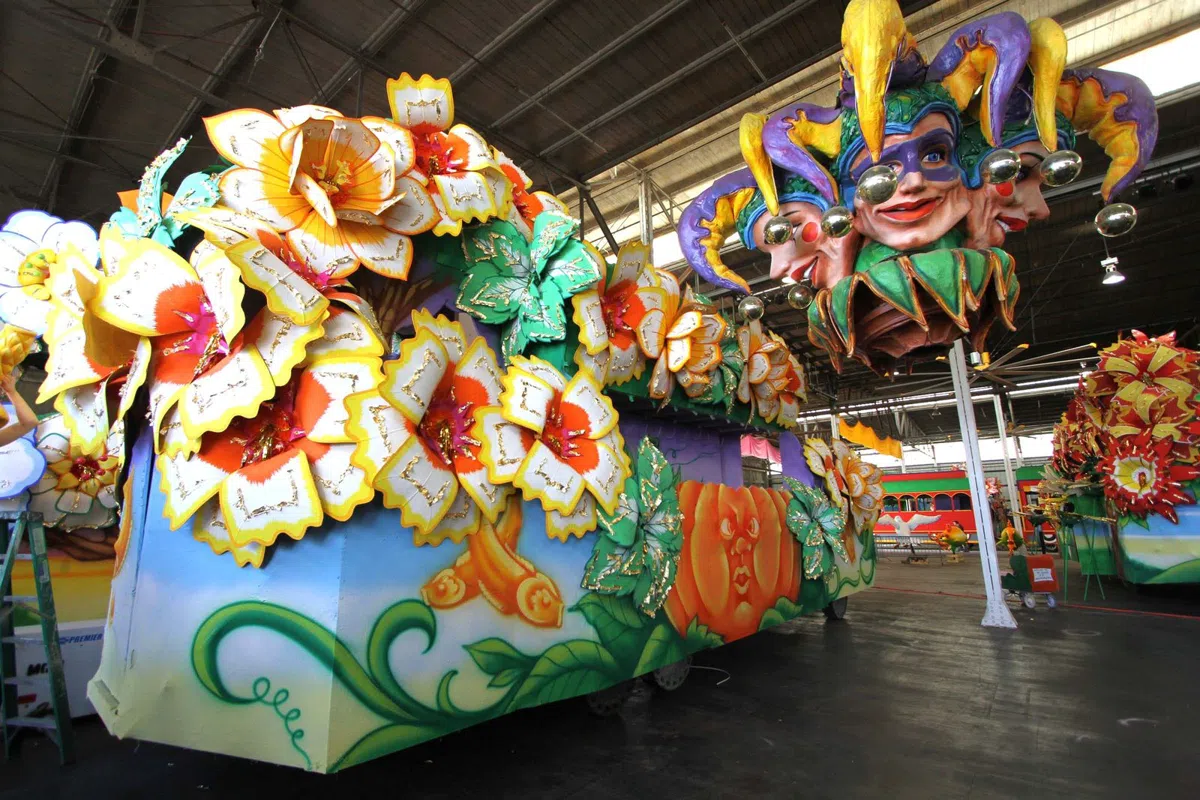
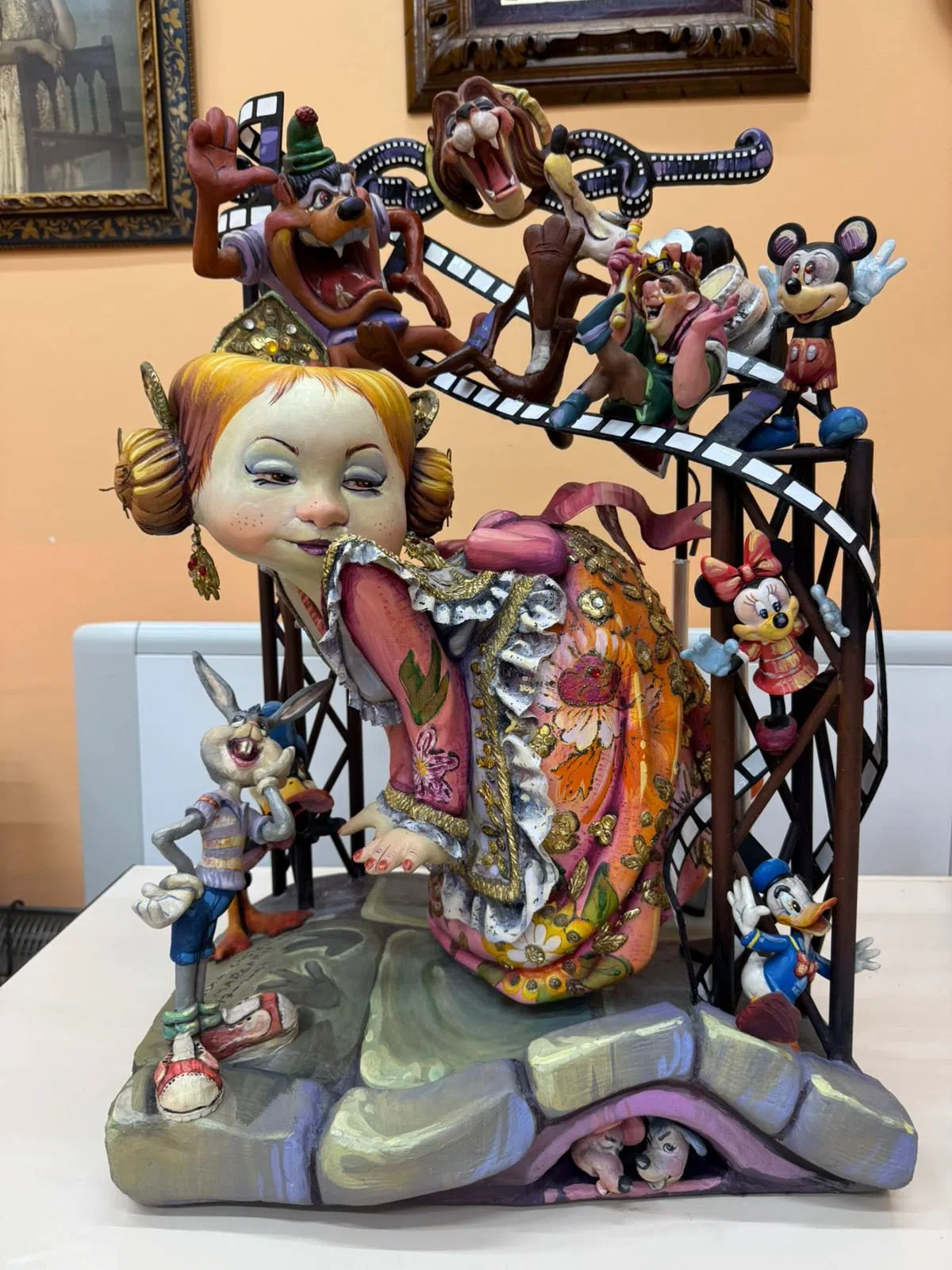
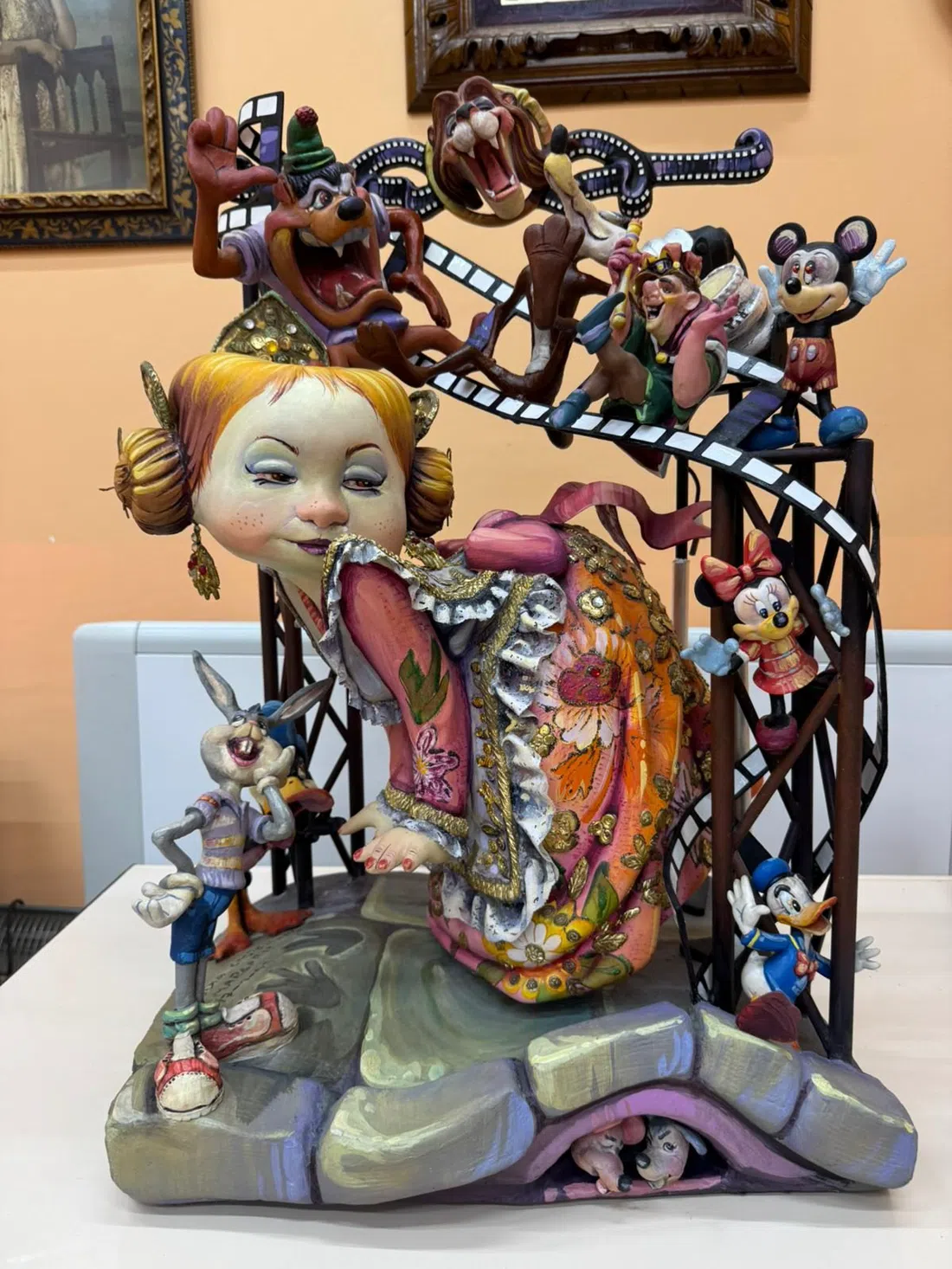
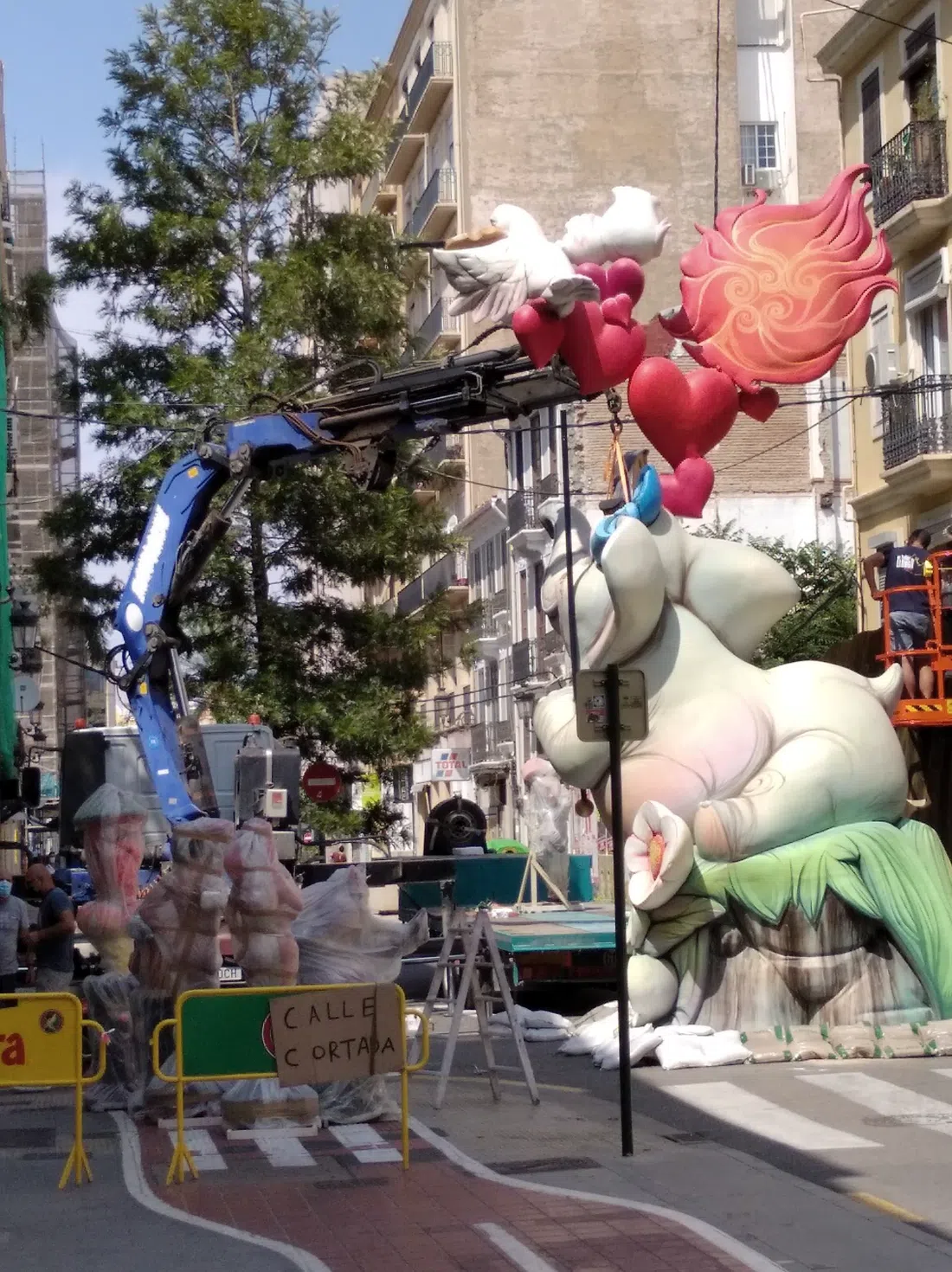
Here's the strange, honest core of fallas: every ninot — the enormous satirical papier-mâché figures that take artists months to build — is set on fire in the street on the night of 19 March. All of them, except one per year, saved by public vote. The Museu Faller de València (also called the Museo Fallero) is where those survivors live, decades' worth of figures that escaped the flames, and walking through it is the closest you'll get to understanding what actually gets destroyed every spring. Entry is €2 general, €1 reduced, free on Sundays and holidays — and it's built for groups: parties of 10 or more pay just €1 each, and school groups or fallas-commission groups get in free. If you're travelling with a group of any size, this is one of the best-value stops in the city.
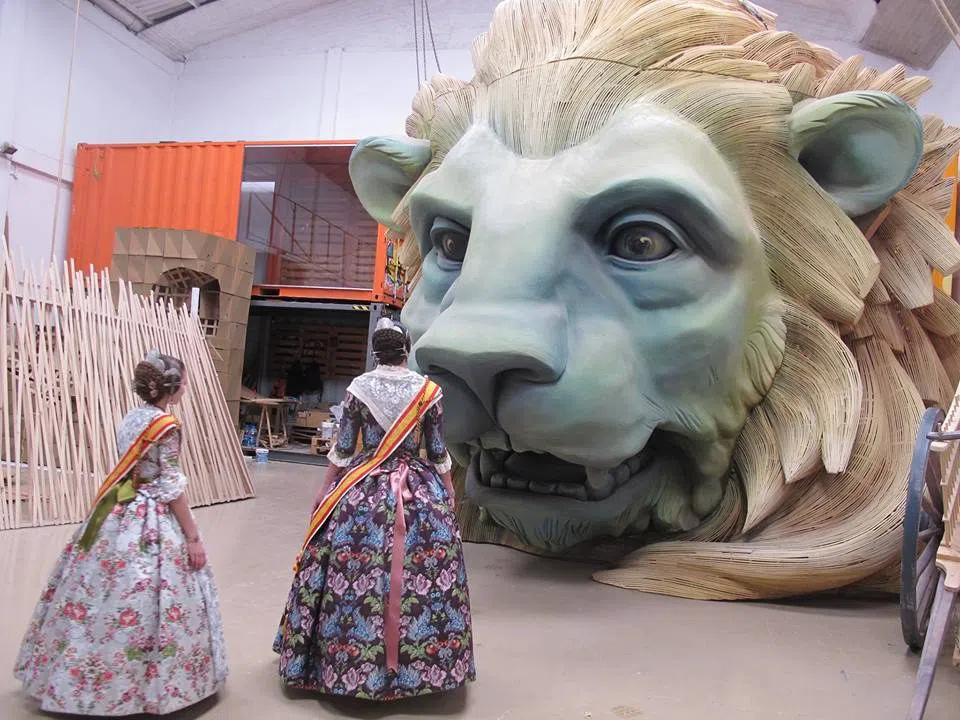
For the craft side of the same story, go to the Museu de l'Artista Faller, also known as the Ciutat de l'Artista Faller, where you see how these things are actually made — full-scale monuments that can cost upwards of €250,000, built with the explicit intention of being burned to ash within a year. It runs guided or video visits of about an hour, charges a modest entry fee, and welcomes groups, but you need to email or call ahead to confirm date, time and headcount — this isn't a walk-in museum. One honest caveat: it's closed through August, so if you're planning an autumn trip, check before you build your day around it. Between these two stops you get the full arc of the culture, the making and the ashes, which is worth reading alongside the wider Valencia guide before you map out the rest of your trip.
Getting Inside a Working Casal, Any Week of the Year
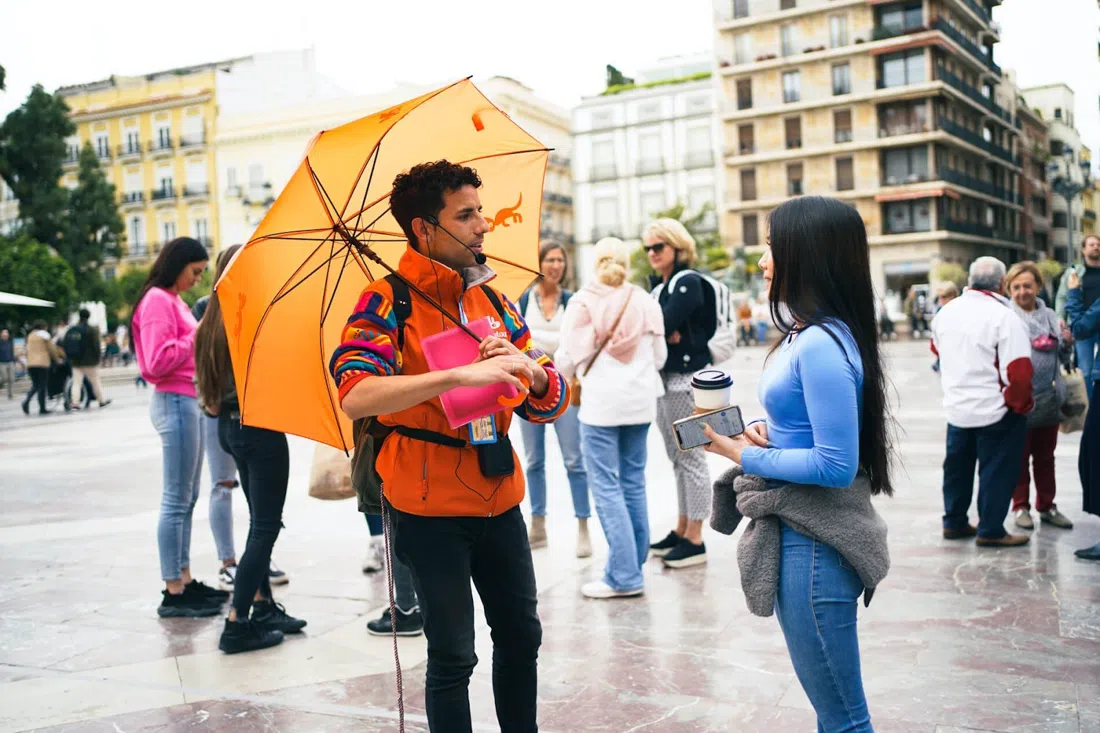
The museums show you the object. To understand the culture, you need to see a casal faller — the clubhouse where a neighbourhood's fallas commission plans, builds and socialises all year, not just during festival week. Visit València runs a public guided tour, "Fallas All Year Round," every Saturday at 10:30am, in English and Spanish, departing from the Tourism Office on Plaça de l'Ajuntament and visiting Falla Plaza del Pilar's casal. At €35 for an adult, €30 for a child aged 7–12, and free under 7, it's not a budget outing, but it's genuinely one of the only ways an outside visitor gets past the front door of a real casal outside of March. It's explicitly built for groups, so solo travellers and couples are welcome too — you'll just be tagging onto a bigger party rather than getting a private visit. Book this one ahead; it only runs once a week and does fill.
The Shop That Never Closes for Fallas
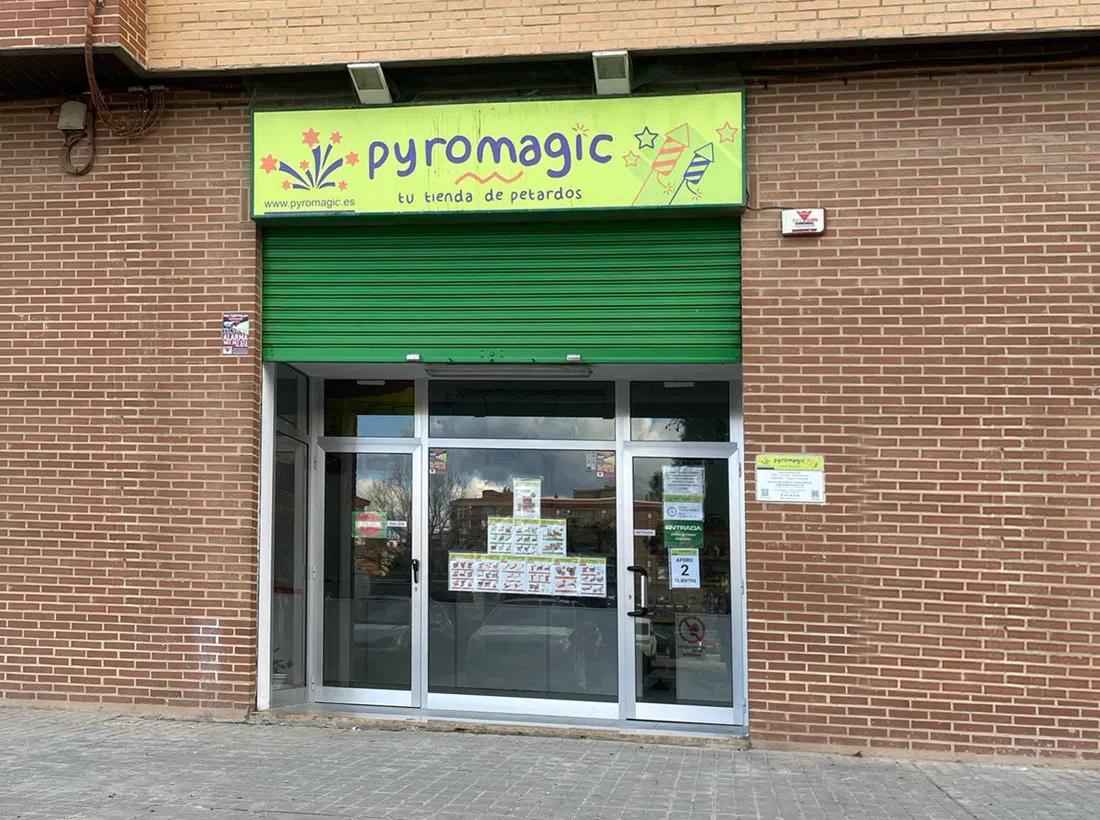
Most visitors assume the fireworks trade is a seasonal business that shuts down the other eleven months. It isn't. Pyromagic is a pyrotechnics retail shop that stays open year-round, not just in the run-up to March, and it's the clearest proof that this is a permanent, everyday culture rather than a festival that gets packed away. It's walk-in retail — no group programme, no booking required — with items starting at just a few euros, and the staff will talk you through categories and what's legal to buy and where, which matters because Spanish fireworks law varies by province and by product class. It suits small parties fine, but don't expect a guided experience; this is a shop, not an attraction, and treating it as a five-minute curiosity stop rather than a destination is the right call.
Russafa: Where the Noise Meets the New Valencia
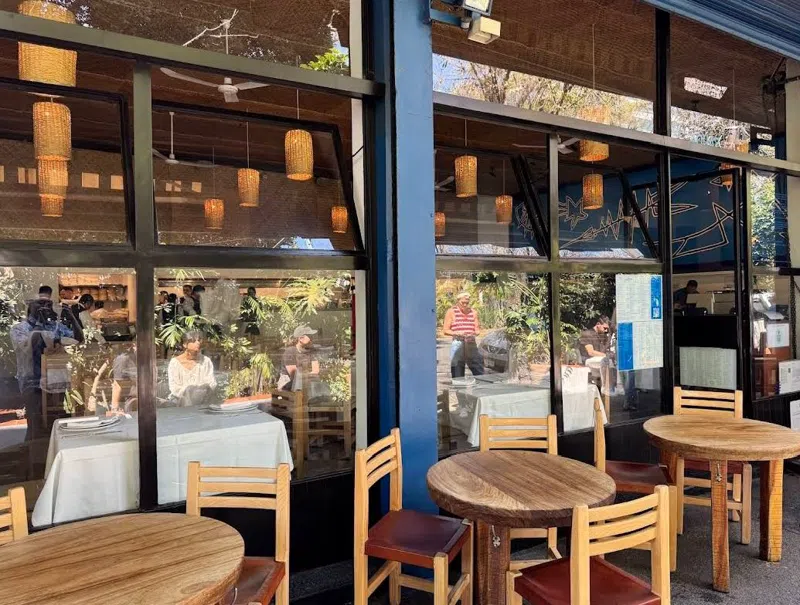
Not every part of this story is charming. Russafa (also spelled Ruzafa), the gentrified café-and-bar district south of the old town, is where the daily firecracker culture runs directly into a newer, quieter nightlife economy — and the friction is real, not postcard atmosphere. The city ran an actual civic campaign here, "No explotes las Fallas. Aquí no" ("Don't set off fireworks. Not here"), specifically to manage the clash between kids letting off firecrackers on residential streets and the terrace crowds who moved in as the neighbourhood gentrified. It's free to walk, no booking needed, and best explored on foot in small groups rather than as a big tour — you're here for the texture of the streets and the tension the campaign signage points to, not for a single sight. If you want the unvarnished version of what "perpetual firecracker culture" actually costs a city block, this is where you find it, and it's worth a slow hour with no fixed itinerary rather than a rushed photo stop.
Planning the Trip: Transport, Cash, Timing, Budget
Getting around: everything above sits within Valencia's old town and Russafa, both walkable from each other in under 20 minutes; Metro lines 3, 5 and 9 all serve Xàtiva station near the centre if you'd rather not walk the full stretch. Fallas season (March) brings road closures around Plaça de l'Ajuntament from midday for the mascletà — build extra time into any crossing of the square between 1:30pm and 2:30pm.
Cash and cards: the museums and Pyromagic take cards, but small firework purchases and casual café stops in Russafa go faster with a bit of cash on hand — €20–30 covers incidentals for a day.
Timing: the mascletà runs daily through March only; outside that window you won't see it in the square, but Pyromagic, both museums (mind the August closure at Ciutat de l'Artista Faller) and the Saturday casal tour all run year-round, which is the whole point of this piece — the culture doesn't pack up on 20 March.
Budget: a day covering the Museu Faller (€1–2), a coffee in Russafa, and an evening on the Atenea Sky rooftop during March runs roughly €40–70 per person depending on what you order up top; outside fallas season, strip out the rooftop and you're looking at under €20 for the rest. If you're staying multiple nights to catch both a Saturday casal tour and a March mascletà, start your Valencia hotel search with somewhere near the old town or Russafa so you're not relying on transport during the midday square closures.
Honest skip: if you're sound-sensitive, travelling with very young children, or simply not fussed about crowds and concussive noise, skip standing in the square for the mascletà itself and go straight to the rooftop option, or visit outside March entirely — the museums and Russafa tell you just as much about the culture without the ringing ears.