
Valencia
Valencia is defined by a striking geographical pivot: a devastating 1957 flood forced the city to reroute its river, leaving behind a dry, nine-kilometer-long bed that was transformed into a lush public park.
Guests & rooms
The Valencia guide
An insider’s read on Valencia
VValencia is defined by a striking geographical pivot: a devastating 1957 flood forced the city to reroute its river, leaving behind a dry, nine-kilometer-long bed that was transformed into a lush public park.
Founded by the Romans, shaped by centuries of Moorish rule, and enriched by the medieval silk trade, Valencia has always been a mercantile gateway. Its identity is fiercely regional, preserved in the Valencian language and an obsession with fire, culminating in the annual Fallas festival. The local character is unpretentious and deeply tied to the land; there is a stubborn refusal to rush, best observed during the sacred, multi-hour midday lunch ritual.

PLATE IValencia, Spain

Guides & ideas
The Valencia reading list
Hand-written guides from our editors — itineraries, the best of after dark, where to eat, and what’s genuinely worth your time.
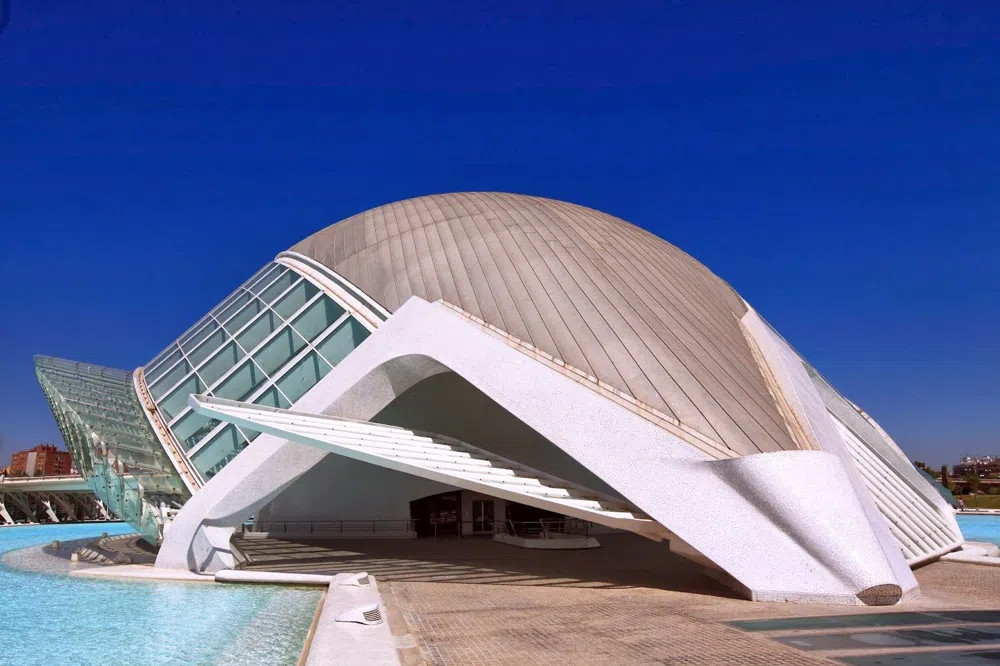
Dawn and Dusk at Valencia's City of Arts and Sciences
The white shells of Calatrava's complex work best in the two hours a day when the water is flat and the crowds haven't arrived, so here is how to time both ends of it.
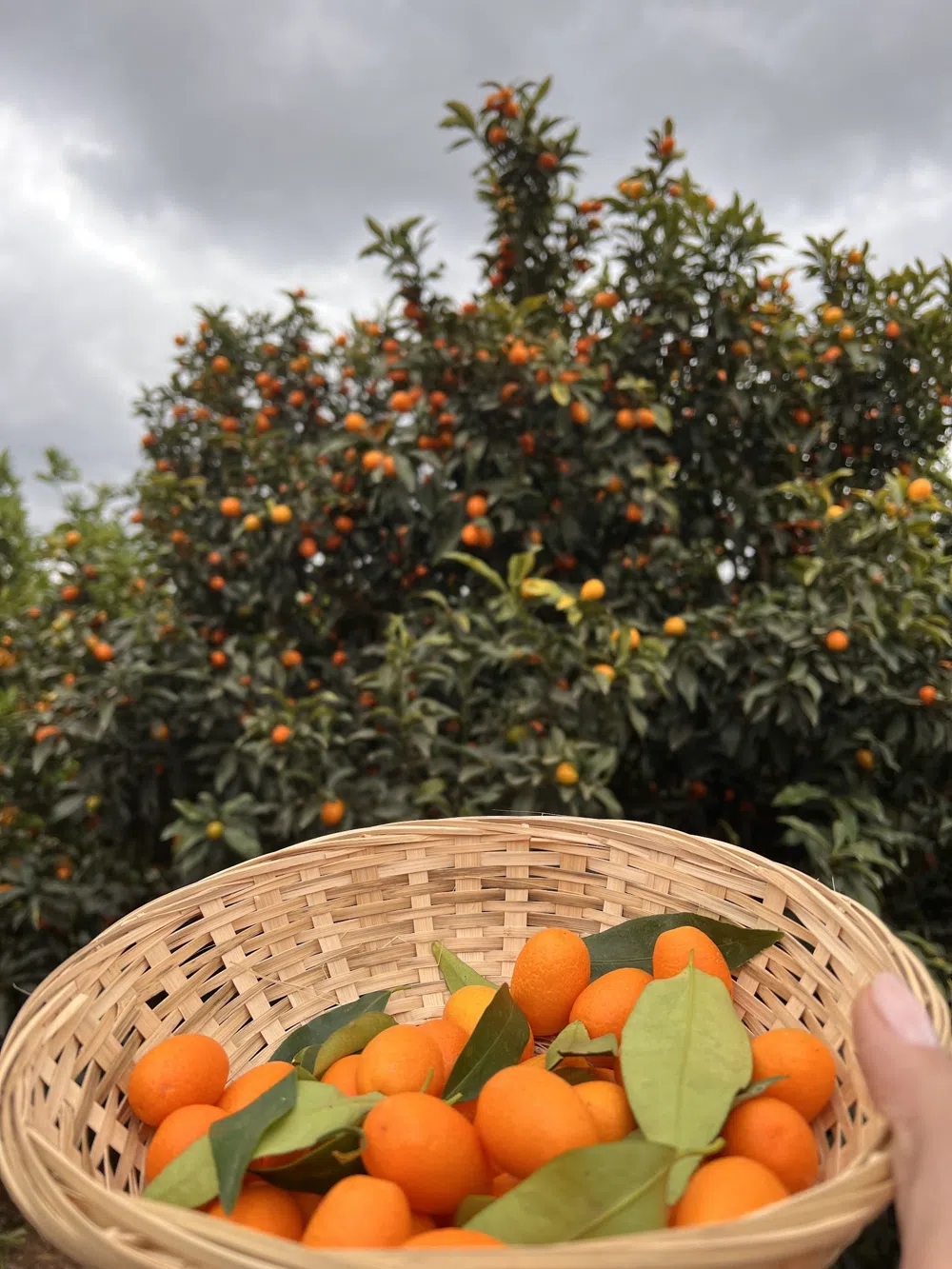
Valencia's Orange Season, From Market Stall to Michelin Plate
How to follow Valencia's winter citrus harvest from the Mercat Central's fruit stalls out to the huerta's family orchards and onto two Michelin tasting menus.
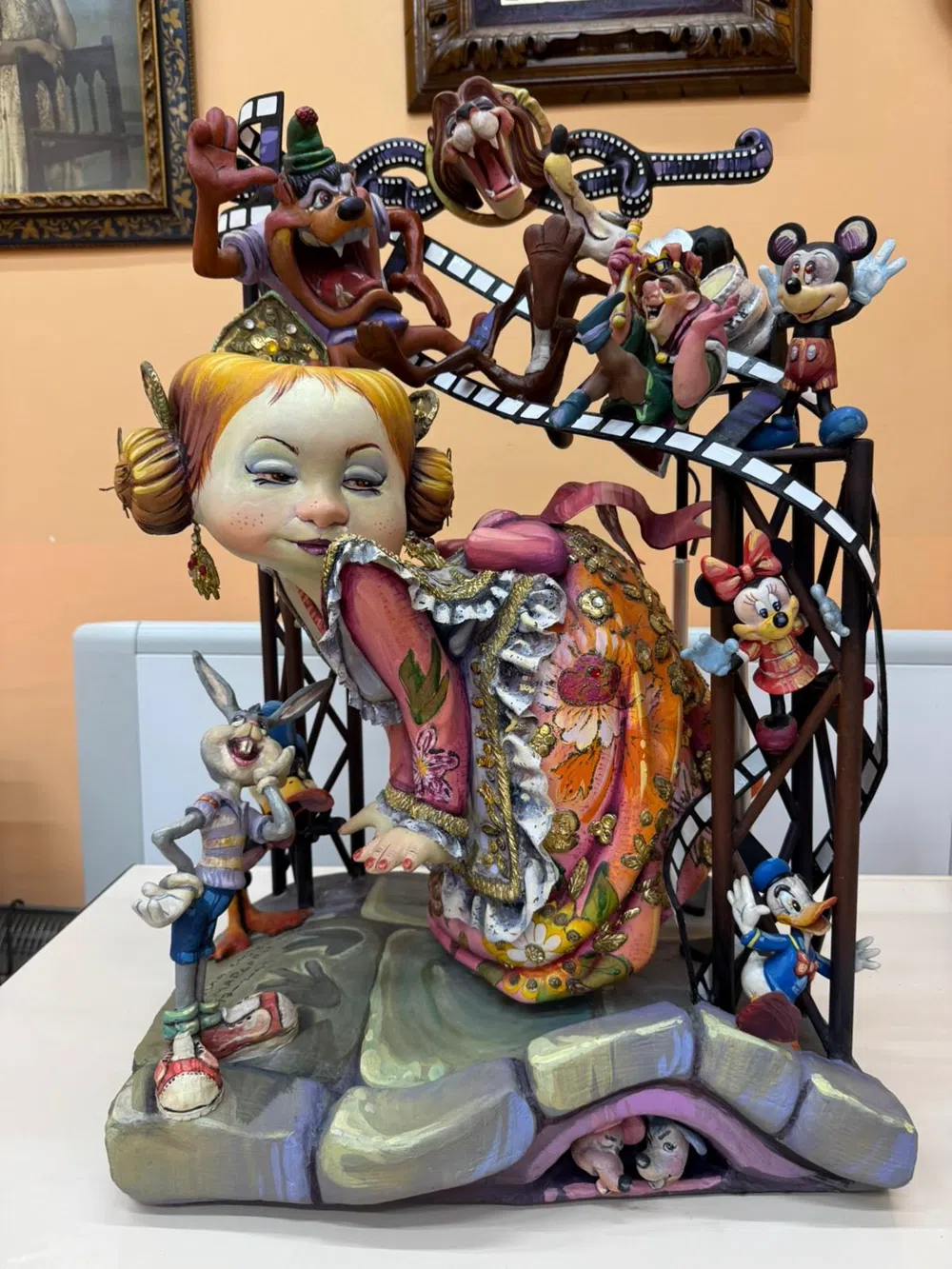
Valencia Never Stops Crackling: Inside a City Built on Gunpowder
In Valencia, gunpowder isn't a March event but a year-round undertone — this is where the sound, the smoke and the craft behind it all actually live.
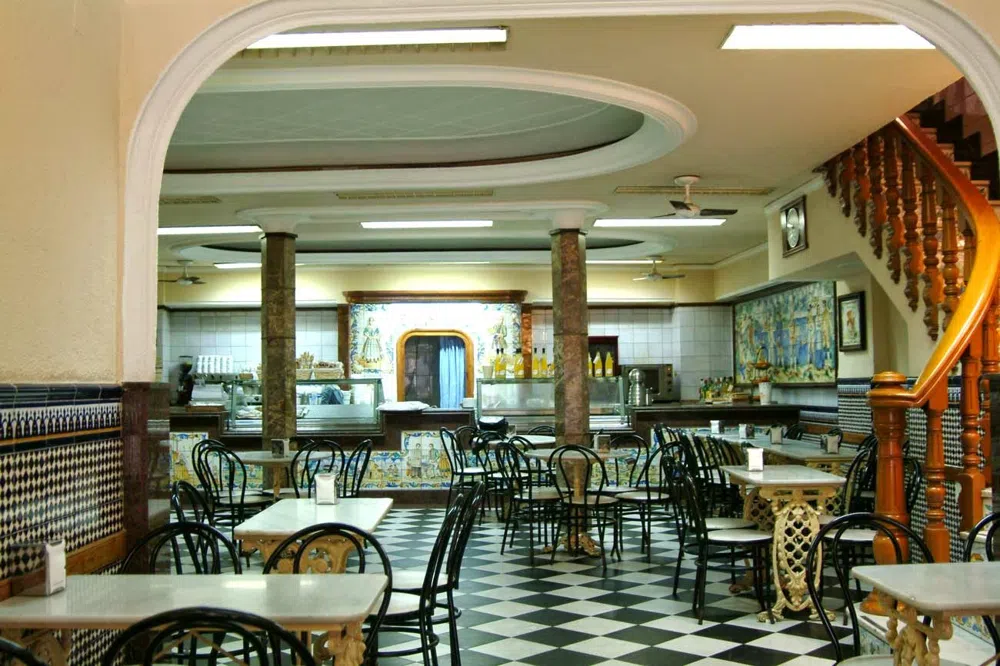
The Morning After the Fires: Valencia Resets
The week after Fallas is Valencia's real story: casales fall silent, ash gets swept from the plazas by dawn, and the city quietly goes back to almuerzo, market counters and long lunches.
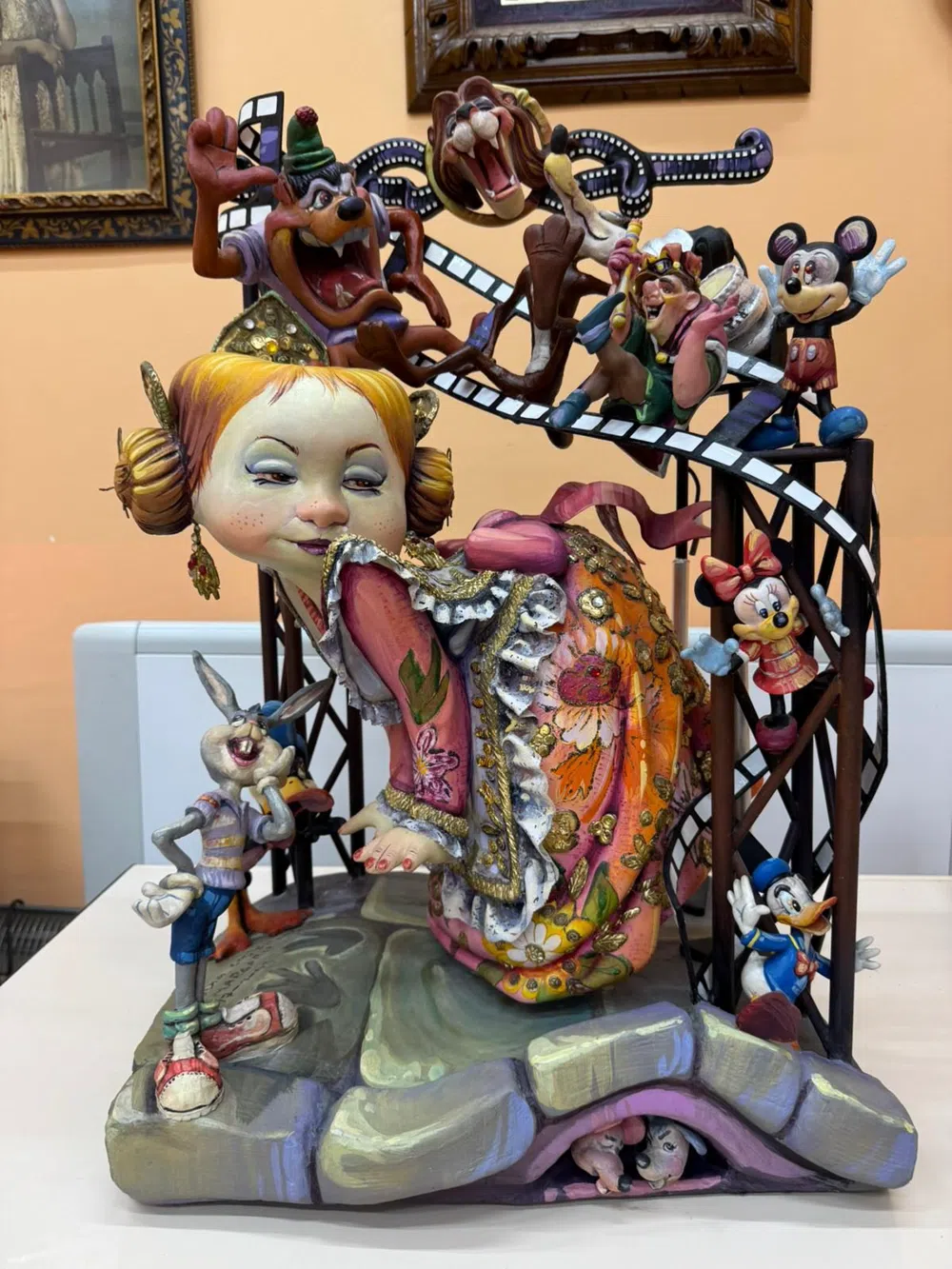
Valencia Spends All Year Building Toward Fire
Long before the first mascletà rattles the Ajuntament, Valencia's workshops, casals and archives are already at work — here's where to find the festival's other eleven months.
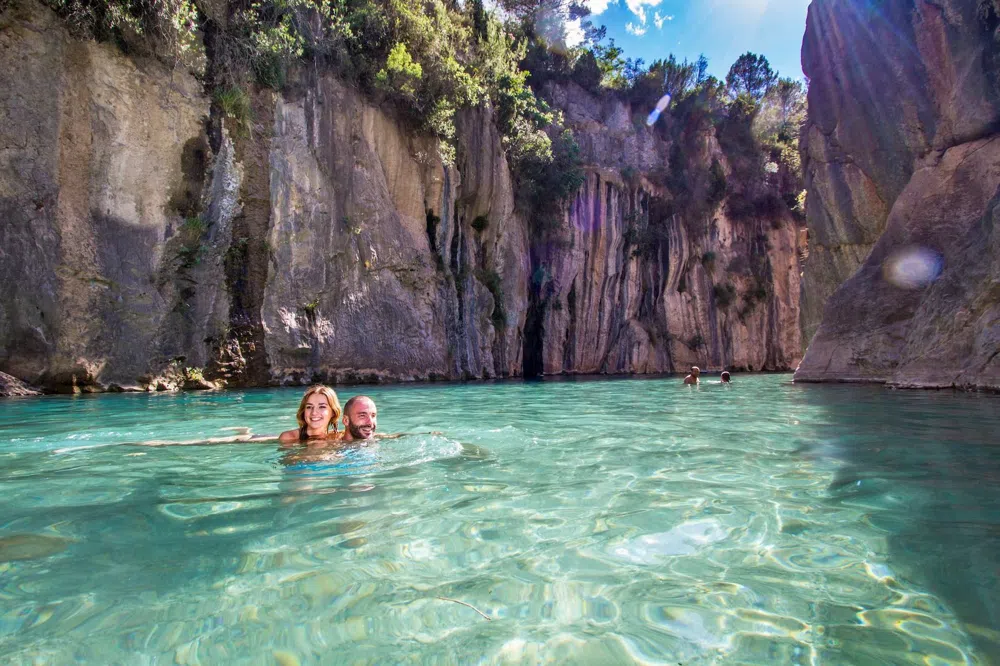
The Warm River at the End of the Road: A Valencia Day Trip to Montanejos
A free 25°C spring, a cave you can walk into, a waterfall ten minutes away and a straight answer on which of Montanejos's canyoning operators actually suits your group — everything you need to plan the day out from Valencia in 2026.
Where to base yourself
The neighborhoods
01
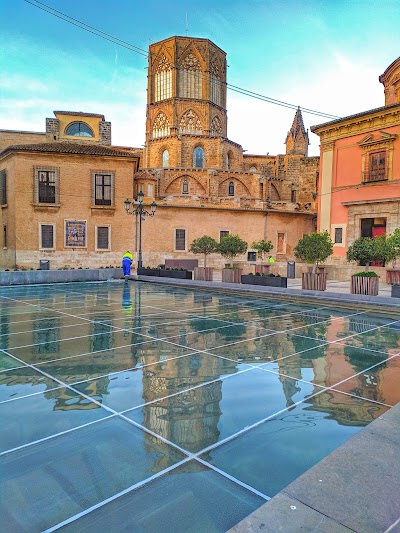
El Carmen
For Suits travelers who want to be steps from historic sights and nightlife. The trade-off is constant street noise and late-night revelry.
A labyrinth of narrow medieval streets, crumbling city walls, and bold street art painted onto historic facades.
Where to stay — Look for boutique apartments or small guesthouses tucked away on quiet side alleys rather than the main plazas.
02
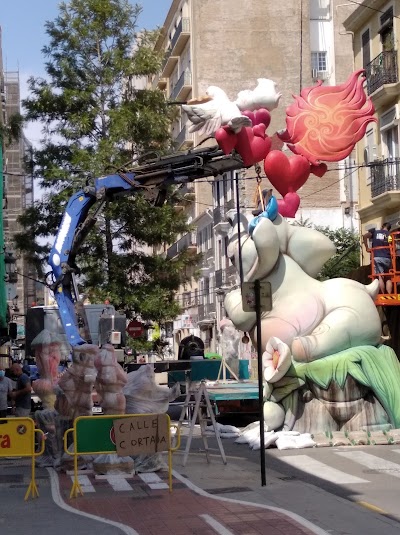
Ruzafa
For Suits food lovers and those seeking a local, creative vibe. The trade-off is that it is far from the beach and lacks major historical monuments.
A former working-class neighborhood turned creative hub, filled with independent bookstores, vintage shops, and diverse dining.
Where to stay — Stylish mid-range apartments and design-forward boutique hotels.
03
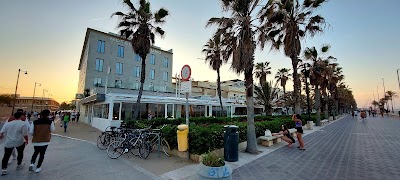
El Cabanyal
For Suits beach lovers and seafood enthusiasts. The trade-off is that some streets still feel neglected, and it is a twenty-minute tram ride to the historic center.
The old fisherman's quarter, defined by grid-like streets, brightly tiled facades, and a salty, slightly gritty maritime atmosphere.
Where to stay — Renovated fisherman's cottages or beachside apartments.
04
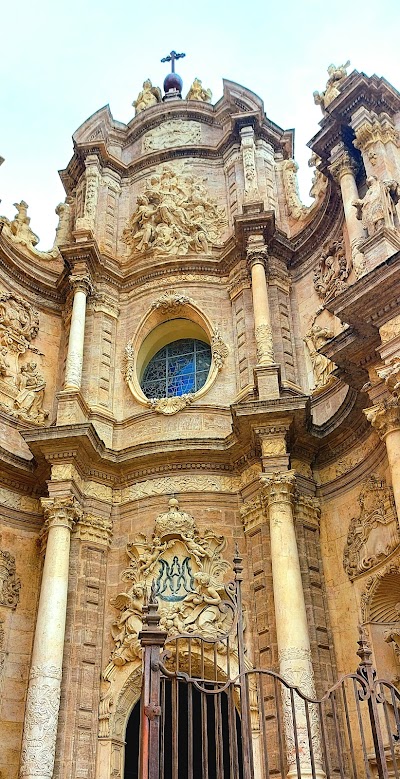
La Seu & Ciutat Vella
For First-time visitors who want to walk to major landmarks. The trade-off is higher prices and a high concentration of souvenir shops.
The monumental heart of the city, dominated by Gothic architecture, grand plazas, and the massive Central Market.
Where to stay — Upscale heritage hotels housed in converted palaces.
05
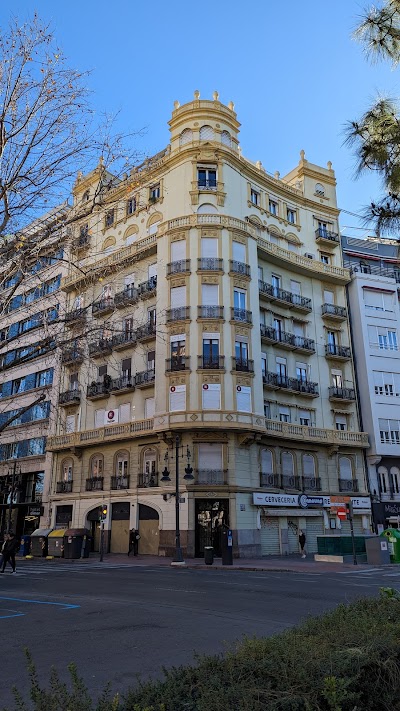
L'Eixample & Gran Vía
For Suits travelers seeking upscale shopping, quiet streets, and fine dining. The trade-off is a lack of bohemian character and higher accommodation costs.
An elegant, late-nineteenth-century district with wide, tree-lined avenues, high-end fashion boutiques, and grand modernist apartment blocks.
Where to stay — Premium international business hotels and luxury boutique properties.
06
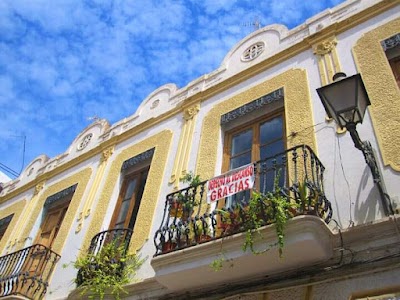
Benimaclet
For Budget travelers and those looking for an authentic, un-touristy neighborhood. The trade-off is that it lies outside the main tourist perimeter.
A former independent village that retains its low-rise, pedestrianized core, now energized by a large student population.
Where to stay — Budget-friendly guesthouses and shared apartments.
Book direct
Book a hotel in Valencia
Loading live availability and real-time prices…
Where to eat
Dining
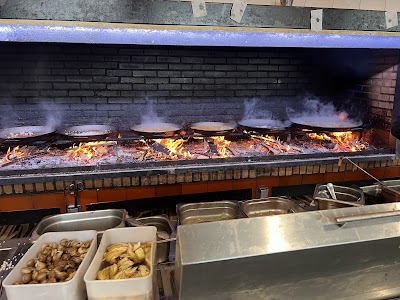
Casa Carmela
€€€Malvarrosa
Famous for cooking its traditional paellas over open orange-wood fires, producing a smoky flavor and the perfect caramelized rice crust (socarrat).
Signature — Paella Valenciana with chicken, rabbit, and butter beans
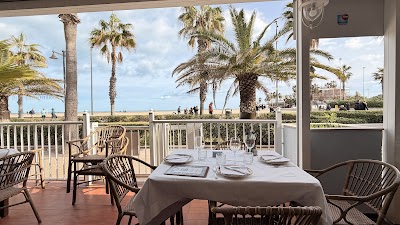
La Pepica
€€€Cabanyal
A historic beachside institution operating since the late nineteenth century, once favored by Ernest Hemingway.
Signature — Arroz de marisco (seafood rice)
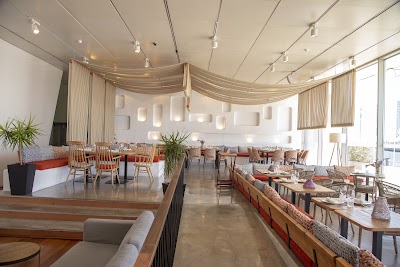
La Marítima
€€€Marina de Valencia
Located in the sleek Veles e Vents building, offering modern seafood dining with panoramic views of the marina.
Signature — Grilled local red prawns
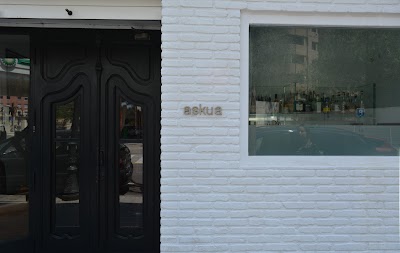
Askua
€€€€L'Eixample
A minimalist temple to meat, sourcing exceptional ribeyes aged to perfection and grilled with obsessive precision.
Signature — Chuletón de buey (aged ribeye)
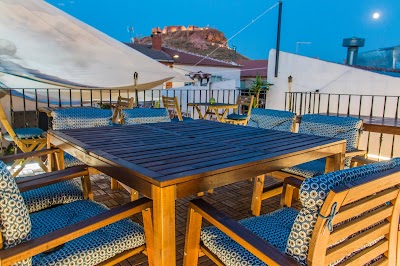
Asador Montiel
€€€El Carmen
An intimate, rustic space in the old town specializing in premium cuts cooked over oak charcoal.
Signature — Valencian beef tenderloin with seasonal mushrooms
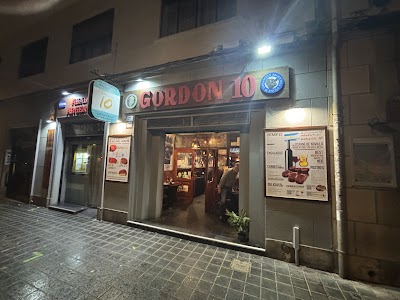
Gordon 10
€€Ruzafa
A long-standing neighborhood favorite combining Argentine grilling techniques with Spanish cuts.
Signature — Entraña (skirt steak) with chimichurri
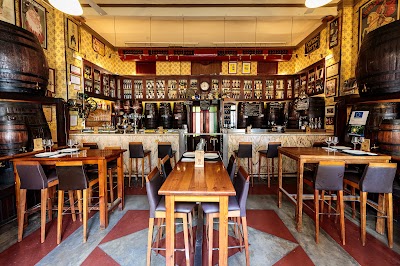
Casa Montaña
€€€Cabanyal
Operating since 1836, this atmospheric tavern features floor-to-ceiling wine casks and exceptional ingredient-driven tapas.
Signature — Michirones (spiced broad beans) and cured anchovies
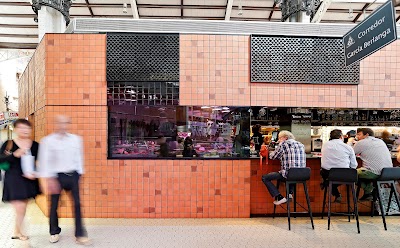
Central Bar by Ricard Camarena
€€Ciutat Vella
Located inside the Central Market, serving ultra-fresh tapas made from ingredients sourced directly from neighboring stalls.
Signature — Buñuelos de bacalao (cod fritters)
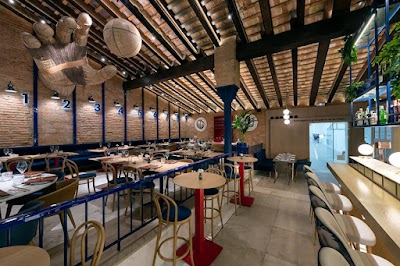
El Trinquet de Pelayo
€€La Roqueta
Set inside one of the oldest active courts for Valencian pilota (handball), serving elevated local classics.
Signature — Esgarraet (shredded salt cod with roasted red peppers)
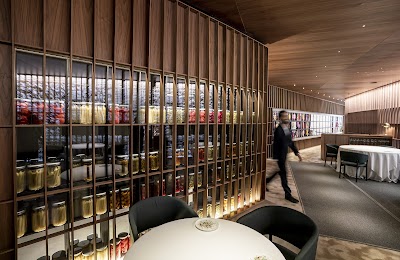
Ricard Camarena Restaurant
€€€€Marxalenes
Housed in the industrial Bombas Gens art center, Camarena coaxes intense flavors out of local vegetables and broths.
Signature — Tomato infusion broth with local herbs
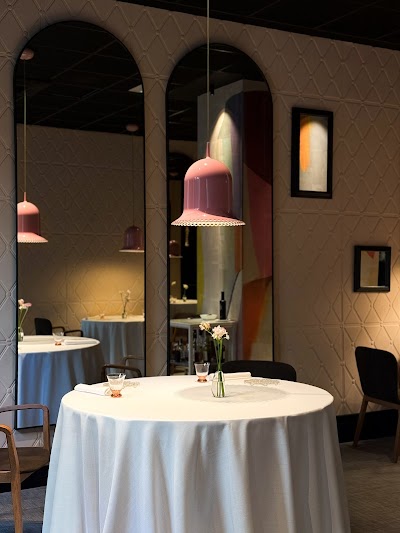
El Poblet
€€€€Ciutat Vella
A highly creative kitchen that reinterprets traditional Valencian rice dishes and coastal flavors through a modern lens.
Signature — Edible 'ashes' rice with local truffles
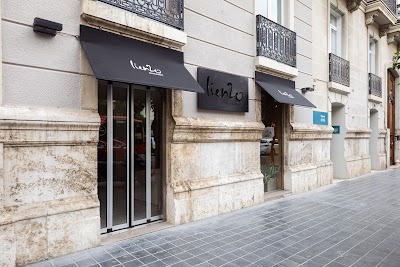
Lienzo
€€€€Ciutat Vella
Chef María José Martínez offers a unique, honey-centric tasting menu that supports local urban beekeeping.
Signature — Marinated local squid with organic honey and citrus
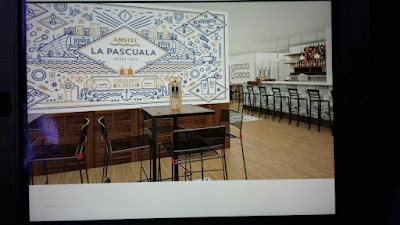
La Pascuala
€Cabanyal
Famous for its gargantuan, full-baguette sandwiches served during the morning almuerzo rush.
Signature — Súper Blanco y Negro (sausage, longaniza, and broad beans)
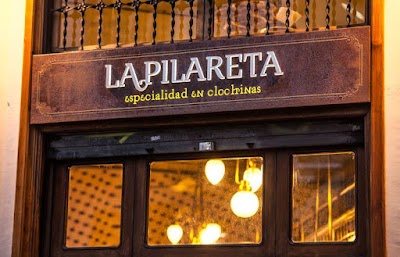
La Pilareta
€El Carmen
A dusty, character-filled tavern known as the house of clóchinas (local mussels).
Signature — Steamed clóchinas (available May to August)
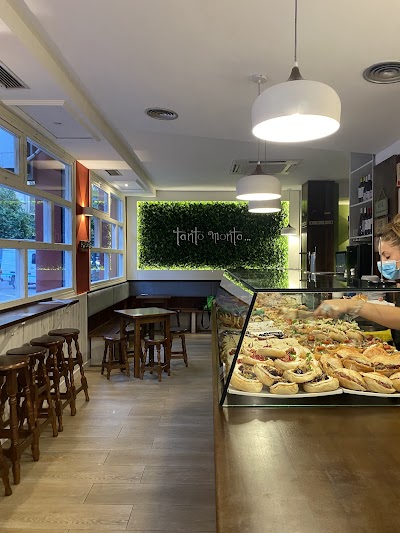
Tanto Monta
€Algiros
A lively student-friendly spot serving an enormous variety of creative, piled-high montaditos (tapas on bread).
Signature — Goat cheese, caramelized onion, and jamón montadito
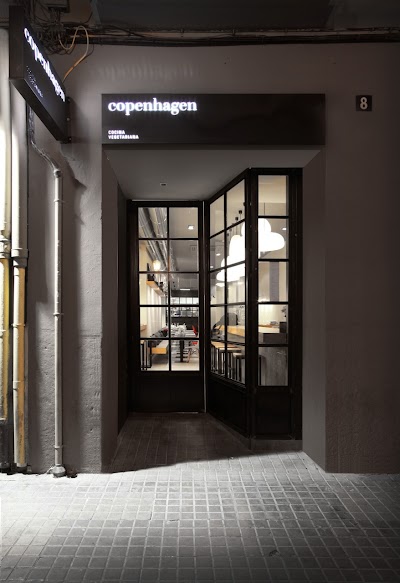
The Copenhagen
€€Ruzafa
A sleek, Nordic-designed space serving inventive vegetarian and vegan dishes that appeal to all diners.
Signature — Vegan croquettes with hazelnut and shiitake mushrooms
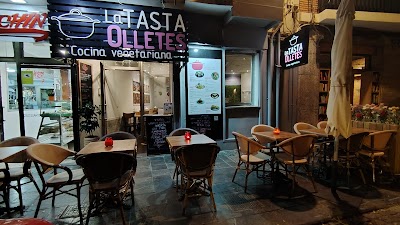
La Tastaolletes
€€El Carmen
A cozy, long-running vegetarian bistro offering creative twists on traditional Spanish comfort food.
Signature — Eggplant and goat cheese mille-feuille
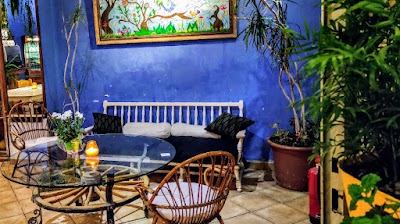
Jardín Urbano
€Ruzafa
A plant-filled, relaxed vegan cafe and bar that serves as a community hub for locals.
Signature — Vegan craft burgers and homemade cakes
After dark
Nightlife

Spook Club
Pinedo
A legendary temple of electronic music located just south of the city, recently revitalized to host top-tier underground techno.
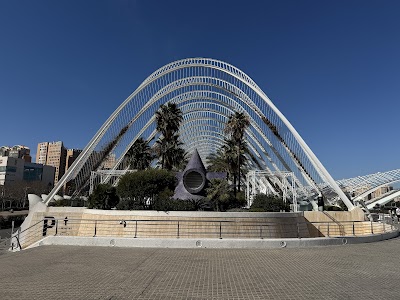
Mya
Ciutat de les Arts
Located directly beneath the futuristic L'Umbracle terrace, offering a striking architectural backdrop for dancing.
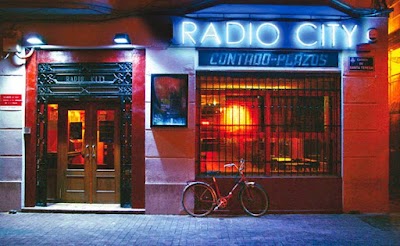
Radio City
El Carmen
A multi-room cultural space that transitions from flamenco shows early in the evening to eclectic DJ sets late at night.
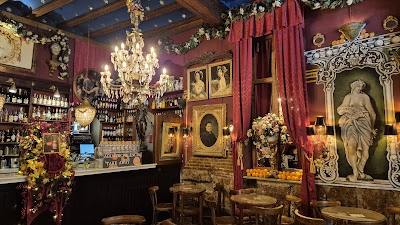
Café de las Horas
Ciutat Vella
An extravagant, neo-baroque salon filled with fresh flowers, candles, and classical music.
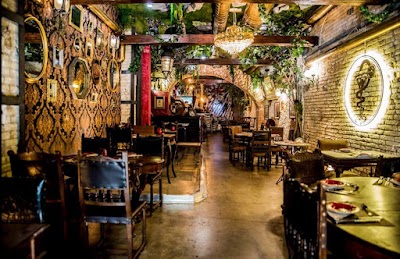
Apotheke
Gran Vía
Valencia's first speakeasy-style bar, requiring a password for entry and serving bespoke, creative cocktails.
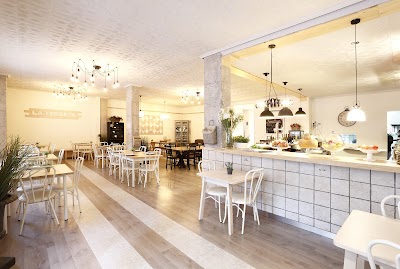
El Terrat
Ruzafa
A relaxed rooftop terrace offering sunset views over the colorful rooftops of the Ruzafa neighborhood.
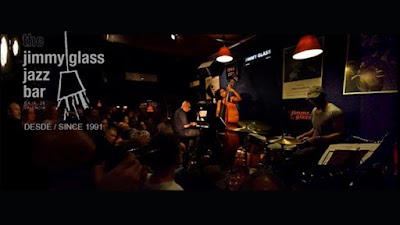
Jimmy Glass Jazz Bar
El Carmen
A globally recognized, historic jazz cellar that hosts international artists in a highly intimate setting.

Black Note Club
Algiros
A dedicated music venue hosting live soul, blues, and funk bands nearly every night of the week.
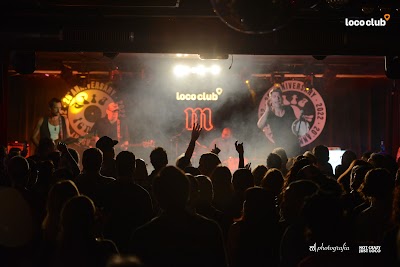
Loco Club
Arrancapins
A spacious venue known for hosting the best national and international indie rock, pop, and folk acts.
Art & history
Culture
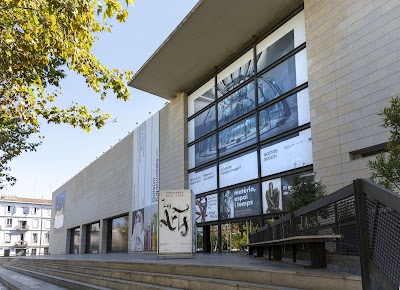
IVAM (Institut Valencià d'Art Modern)
El Carmen
Spain's first modern art museum, housing an exceptional permanent collection of twentieth-century avant-garde works.
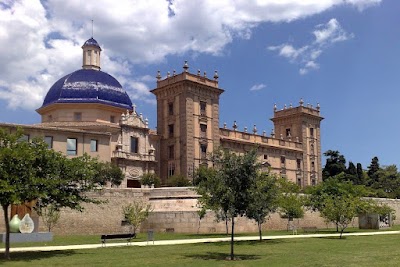
Museo de Bellas Artes de Valencia
La Saïdia
One of Spain's most important fine art galleries, featuring masterpieces by El Greco, Goya, and the local light-master Joaquín Sorolla.
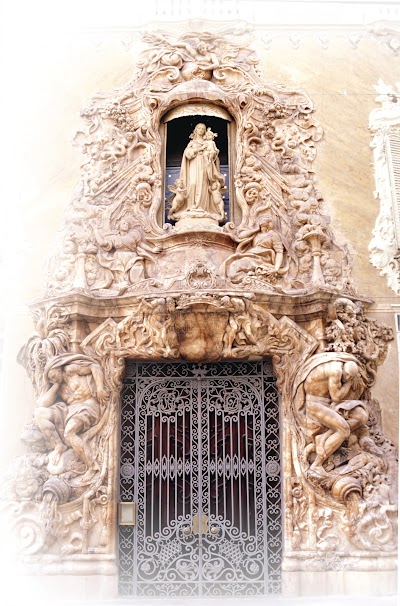
Museo Nacional de Cerámica
Ciutat Vella
Housed in the breathtaking, alabaster-fronted Palacio del Marqués de Dos Aguas, showcasing Valencia's historic ceramic industry.
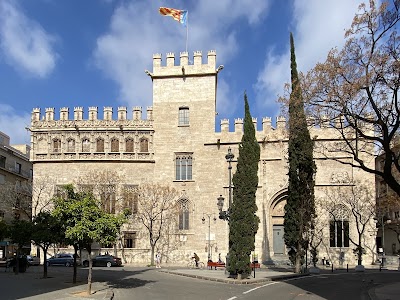
La Lonja de la Seda
Ciutat Vella
A fifteenth-century Gothic masterpiece and UNESCO World Heritage site, featuring spiraling stone columns that mimic silk threads.
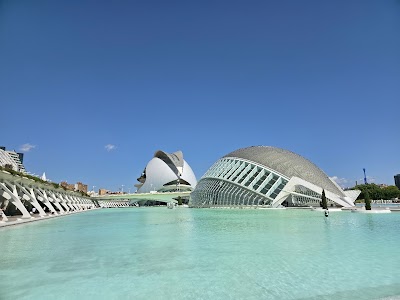
Ciutat de les Arts i les Ciències
Penya-Roja
Santiago Calatrava's futuristic complex of white concrete and blue glass pools, resembling skeletal sea creatures.
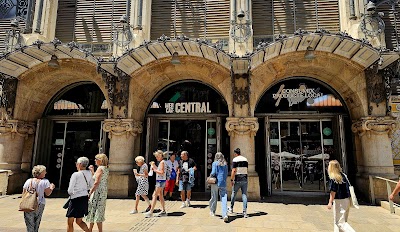
Mercado Central
Ciutat Vella
One of Europe's largest active fresh food markets, housed in a stunning modernist dome of iron, glass, and colorful tiles.
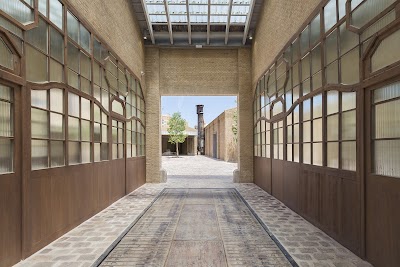
Bombas Gens Centre d'Art
Marxalenes
A beautifully restored 1930s Art Deco factory hosting rotating exhibitions of modern photography and sculpture.
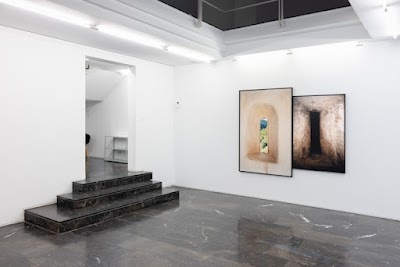
Galeria Luis Adelantado
Ciutat Vella
A massive, five-story contemporary gallery dedicated to promoting cutting-edge, experimental young artists.
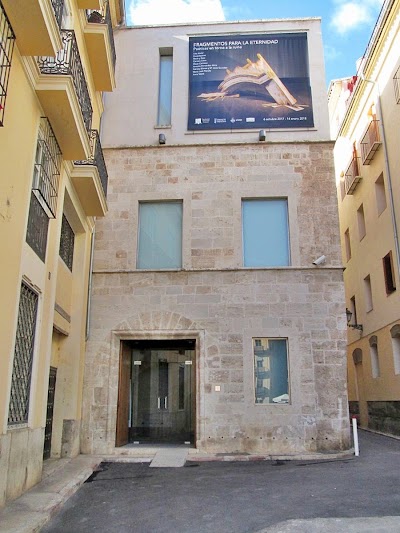
Chirivella Soriano Foundation
Ciutat Vella
Located in the Gothic Palau d'Alegret, this foundation showcases an excellent collection of contemporary Spanish painting.
Book ahead
Top-rated experiences in Valencia

Valencia Paella & Tapas Home Cooking Class with Local Chef Jose
from $115

Valencia Wine Country Tour: Wineries, Lunch & Bobal Wines
from $266

Hiking Cliffs & Old Fishing Trails around Moraira OFFICIAL GUIDE
from $163

Valencia Arts and Sciences Segway Tour
from $59

Pub Crawl Valencia: Bars, Free Shots & Club Entry
from $20

All-in-One Valencia Private E-Scooter Tour
from $77

Valencia Complete Full Private Day with Hotel Pick up
from $591

Private Wineries Tour from Valencia (morning tour)
from $165
Prices from Viator; we may earn a commission when you book — at no extra cost to you. Tours are sold and operated by Viator, the merchant of record. Ratings are collected by Viator and Tripadvisor.
Timing
When to visit
Spring
March brings the explosive, chaotic Fallas festival, which fills the streets with smoke, fire, and massive crowds. April and May follow with perfect patio weather and orange blossoms scenting the air.
Summer
July and August are hot and highly humid. The city center empties out as locals head to the beaches, and many independent restaurants close for three weeks in August.
Autumn
September and October are excellent months to visit. The sea remains warm enough for swimming, and the autumn harvest brings fresh produce to the markets.
Winter
November to February is mild and sunny during the day, though nights get crisp. It is the peak season for harvesting local citrus, and tourist crowds are at their thinnest.
What it costs
Budgeting
Logistics
Getting around
From the airport
The Metrovalencia Line 3 and Line 5 run directly from the airport terminal to the city center in approximately twenty minutes.
Public transit
An efficient network of red EMT buses covers the entire city, while the Metrovalencia subway and tram lines connect the center to the outer suburbs and the beach.
Passes & tickets
The SUMA card is the most cost-effective option, combining metro, tram, and city buses on a single ticket for a low price band (€).
On foot
The historic center is flat, compact, and mostly pedestrianized, making walking the most practical way to explore the old quarters.
Travel smart
Safety & etiquette
Local etiquette
- •Never ask for chorizo in your paella; locals view this as a culinary insult.
- •Tipping is not mandatory; leaving a few coins or rounding up to the nearest euro is standard for good service.
- •Do not walk through the historic city center in swimwear; keep beach attire strictly to the promenade.
From the ground
Practical tips
1
Book your weekend lunch table at Casa Carmela several weeks in advance; it is impossible to get a walk-in table.
2
Buy a SUMA card at any metro station to save money on combined bus and metro trips.
3
Visit the Central Market before 1:00 PM, as stalls begin packing up early and it is completely closed on Sundays.
4
Rent a bicycle to use the dedicated, flat bike lanes that run throughout the Turia park and connect to the beach.
5
Look for the 'Menú del Día' at lunch for a highly affordable three-course meal that often includes a drink.
6
Avoid the tourist-trap restaurants directly on Plaza de la Reina; walk two blocks into the side streets for better quality and lower prices.
Valencia FAQs
Is Valencia walkable?
Yes, the historic center is flat, compact, and mostly pedestrianized, making it highly walkable.
Can I get paella for dinner?
Traditional restaurants only cook paella for lunch, as it is considered too heavy to digest at night; dinner options are usually tapas.
What is the local drink?
Horchata is the non-alcoholic favorite made from tiger nuts, while Agua de Valencia is a potent cocktail of cava, orange juice, gin, and vodka.
Is the tap water safe to drink?
Yes, the tap water is perfectly safe, though it has a high mineral content and a strong taste that leads most locals to prefer bottled water.
When is the Fallas festival?
The main events of the Fallas festival take place annually from March 15th to 19th, bringing loud firecracker displays and massive street monuments.