The Valencia issue
Older Than Paella: Inside Valencia's Horchaterías and the Tiger-Nut Ritual
A calm, practical map to Valencia's horchata houses — where the tiger nut is grown, which venues suit a couple and which take a crowd, and how to drink it like the locals do.

By Bram VerhoevenNeighbourhoods, sights and slow days out
Before the paella pans and the beach bars, before the city even looked much like a city, Valencians were pressing a small wrinkled tuber called the chufa — the tiger nut — into a cold, sweet, milk-white drink. Horchata (orxata in Valencian) predates the region's famous rice dish by centuries, and it is still made and drunk here with a seriousness that catches most visitors off guard. This is a guide to doing it properly: where the nut is actually grown, which houses are worth the detour, and how to sit down without looking like you wandered in by accident.
What you're actually drinking
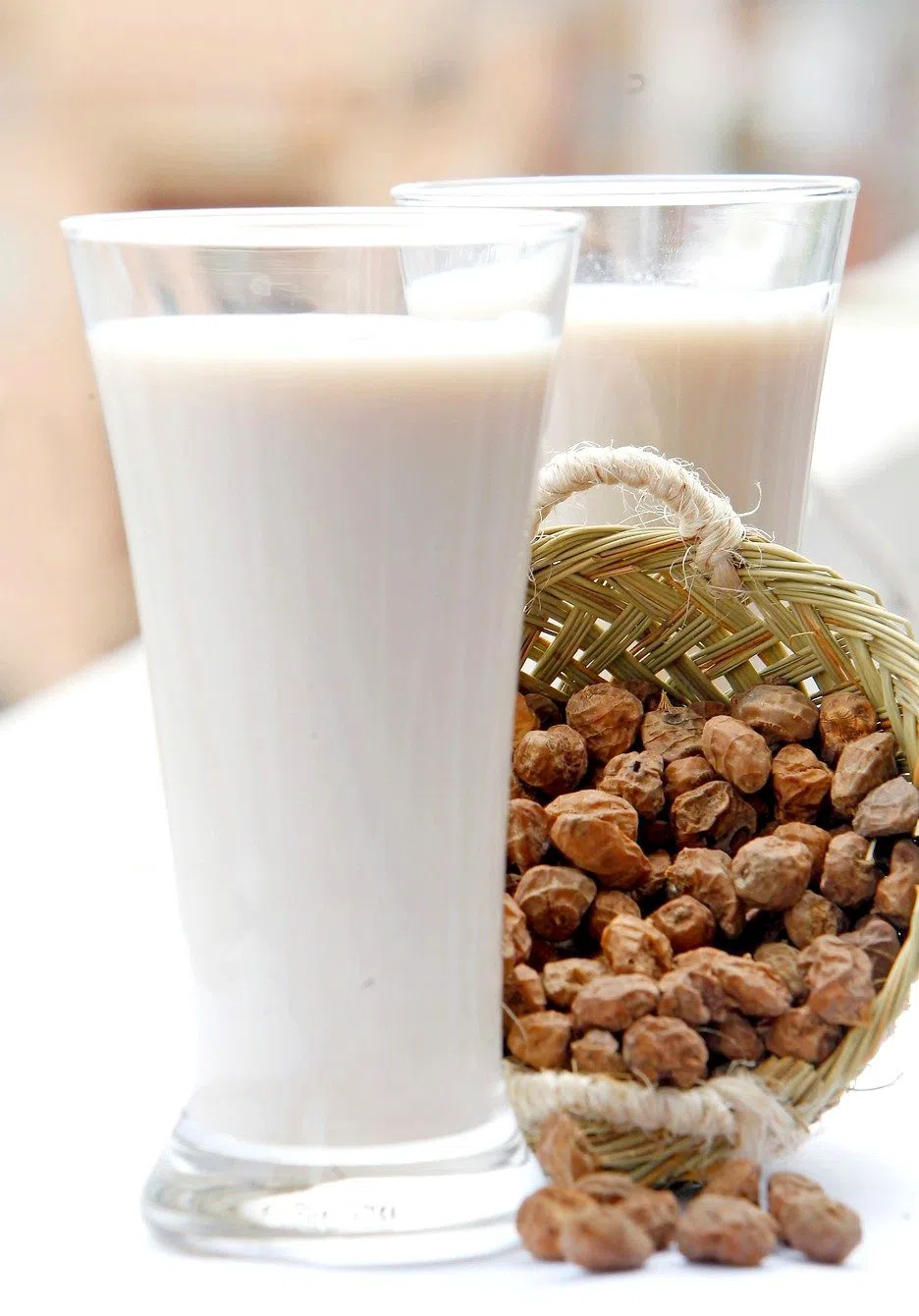
Horchata is not almond milk and it is not a slushie, though tourist menus sometimes blur both. Real Valencian horchata is chufa (D.O. Valencia, when a place is doing it right), water and sugar — nothing else — served cold and, in summer, often granizada (half-frozen to a slush) or mixta (part liquid, part slush). The classic pairing is a farton, a long, soft, glazed sugared bun made specifically for dunking; the shape exists so you can lower it into a tall glass without your fingers going in. You dunk, you eat, you sip, you repeat. That is the entire ritual, and it takes as long as you let it.
A few practical truths up front. Horchata is a warm-months drink — most houses run it hardest from roughly April to October, and some Alboraya places wind down or shift hours in deep winter. It is cheap: a glass and a farton almost anywhere runs about €5 per person, and only a workshop pushes past that. And it does not keep — fresh natural horchata separates and turns within a day or two, which is exactly why the field-adjacent places taste different from a supermarket carton. If you want to understand Valencia in one sitting, this is a better shortcut than any monument. Pair it with the broader Valencia guide if you're still building the trip.
Plan your Valencia trip
Live prices from our booking partners.
Free cancellation on many rooms. We may earn a commission when you book.
The historic centre: heritage over purity
If your time is short and you're sightseeing the old town anyway, start here. These are not the horchatas a purist would rank first, but the settings are genuinely old and the walk-in access is easy.
Horchatería de Santa Catalina (old town, beside the Santa Catalina bell tower) is the postcard stop — a busy two-floor institution that has been serving since the 1800s, tiled and bustling and almost always full. It takes walk-in groups, turns tables fast and doesn't do bookings, so you queue, you're seated, you order horchata with fartons or churros for around €5 a head, and you move on. Be honest with yourself about what it is: the atmosphere and the location are unbeatable, the horchata is perfectly good, and Alboraya makes better. For a first-day, feet-hurting, need-to-sit-down glass, it's the right call.
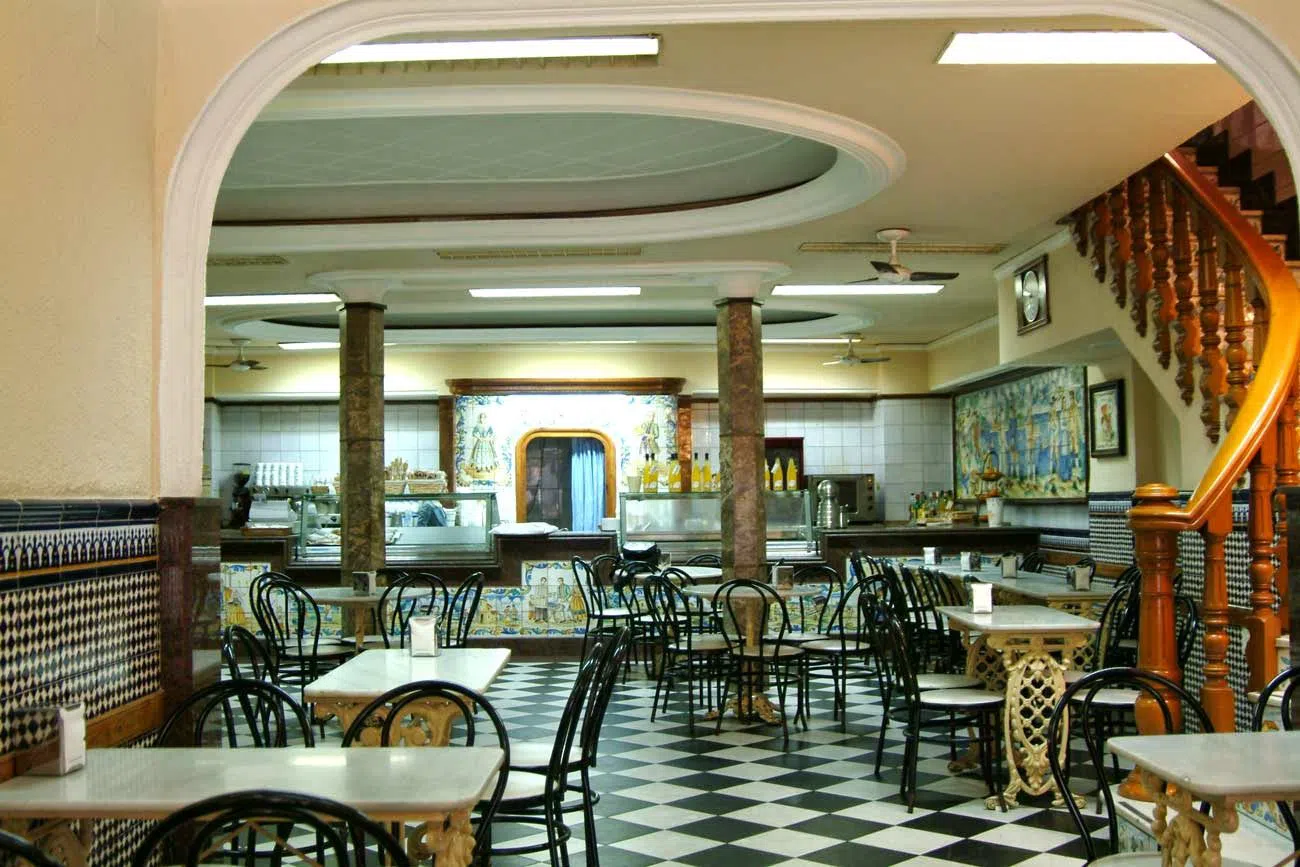
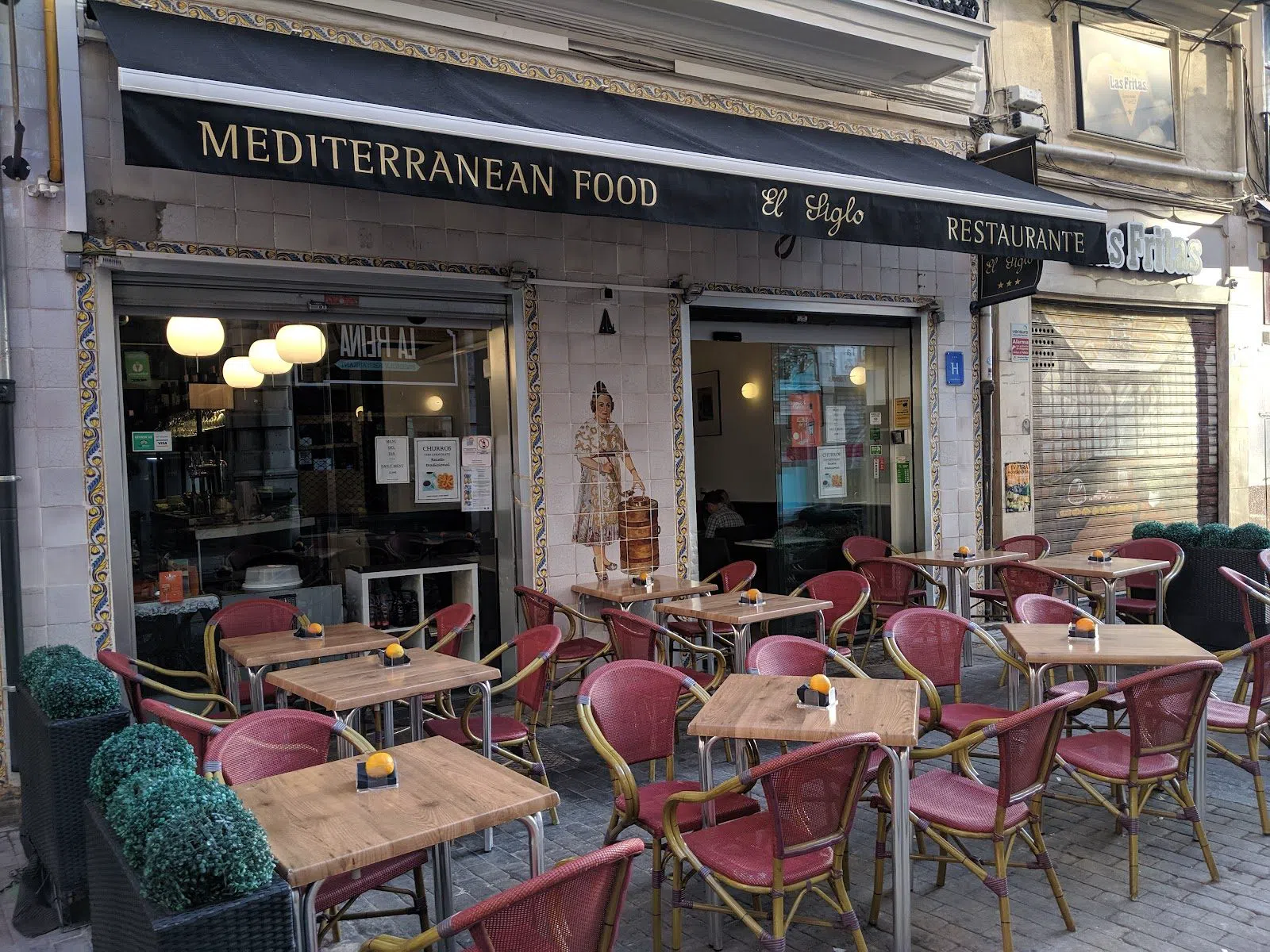
A short walk away, Horchatería El Siglo (old town) is the quiet heritage pick. Trading since 1836, it's one of the oldest surviving horchaterías in the city and it has stayed small and traditional — no reinvention, no theatre. The premises are cramped, which makes it a place for a couple or a pair rather than a group; four is workable, six is a squeeze. Expect roughly €4–6 per person. If you care about the age of a thing, this is where to sit.
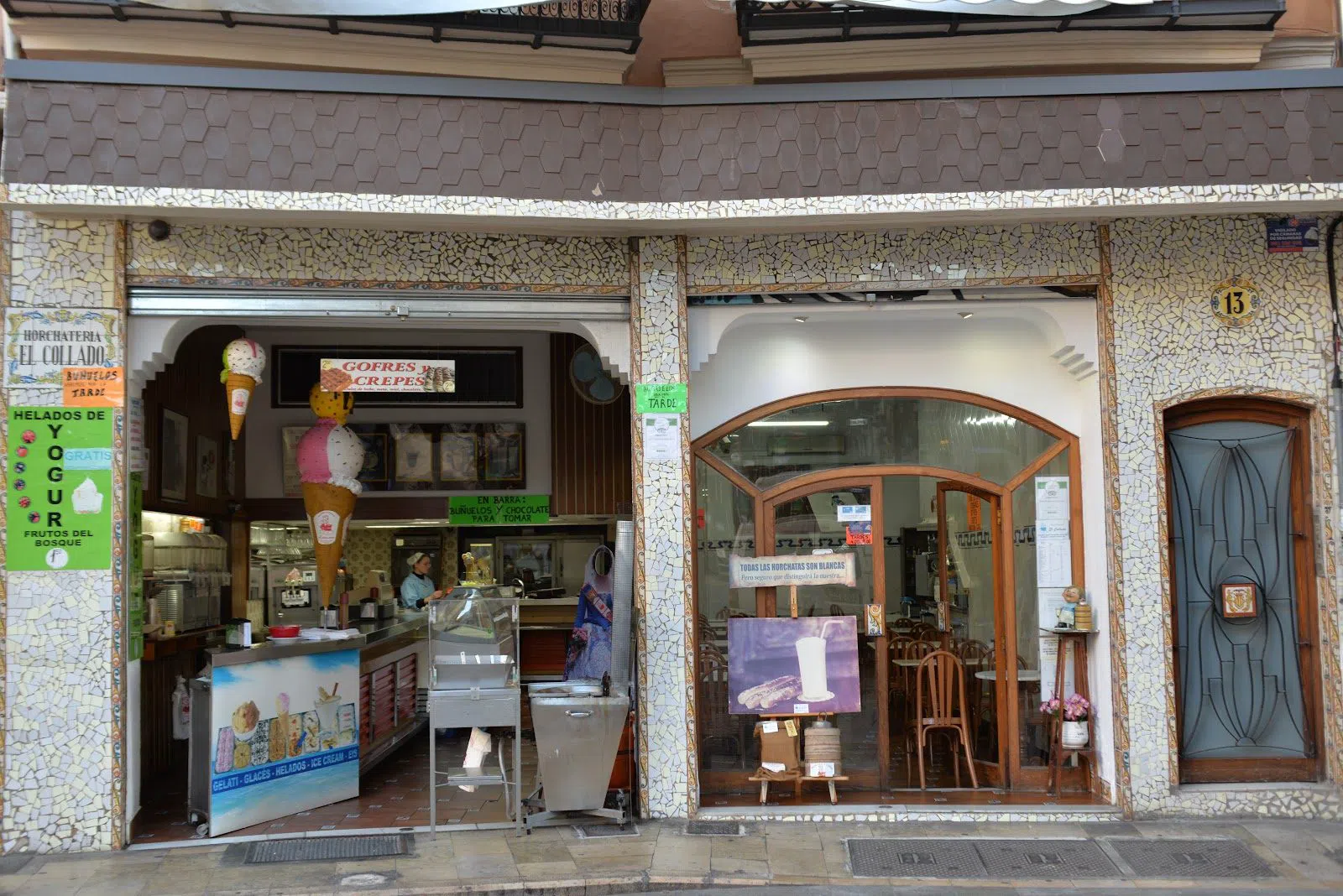
Horchatería El Collado (centre of town) is the character stop, and I mean that with affection. It's very small and cheerfully chaotic — generations-old, famous around Fallas for its buñuelos (pumpkin fritters) almost as much as for its horchata. Do not bring a large group here; you won't fit and you'll block the room. Pairs and small parties only, around €4–6 per person. Come for the buñuelos-and-horchata combination if you're here in fritter season, and enjoy the disorder rather than fighting it.
Central and easy: the everyday glasses
These sit in or near the centre and solve the practical problem of "good horchata, minimal detour, room to sit."
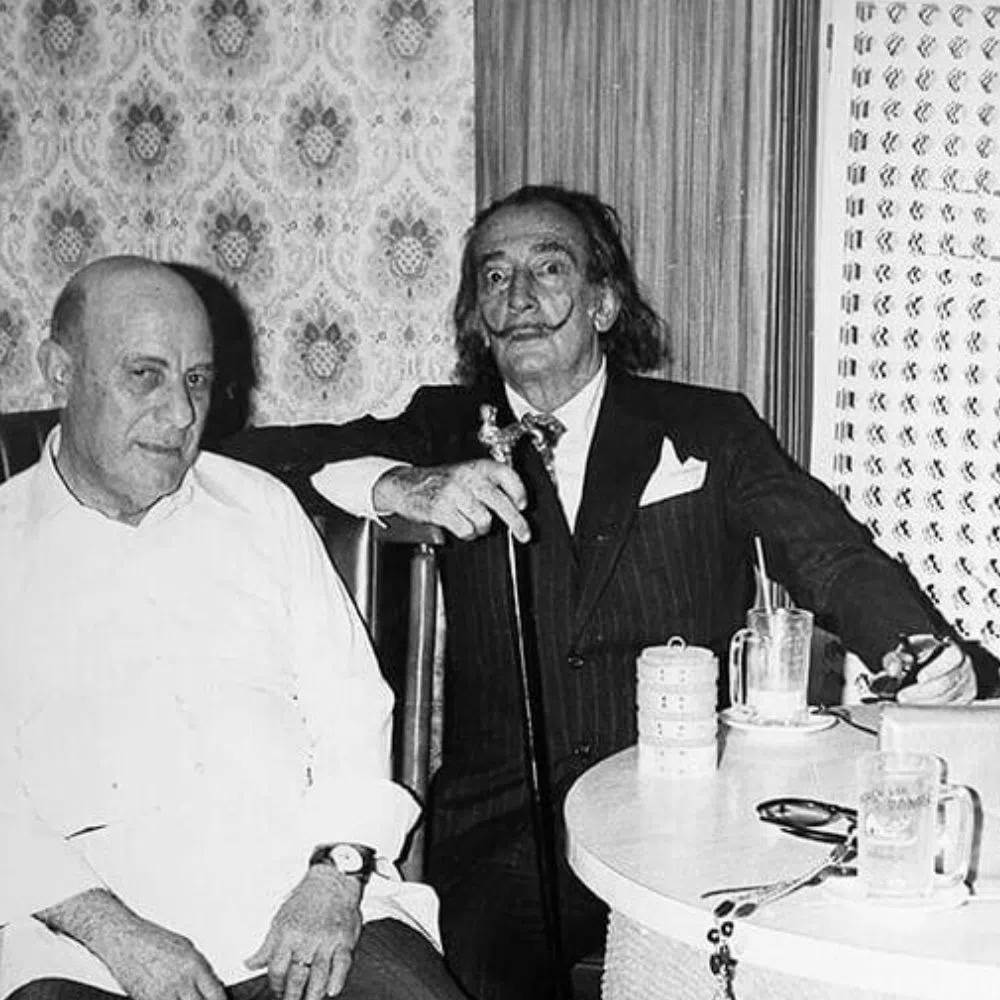
Horchatería Daniel (Mercado Colón) is the name Valencians tend to cite first, and the one I'd send most visitors to. The family has grown its own tiger nut in Alboraya since 1949, and this central branch inside the handsome Mercado Colón is by far the easiest to reach — a sit-down café with big communal tables, no reservation and no door policy, comfortably able to seat a group. Horchata runs about €3.20, a farton about €1, so €5–7 per person all in. It's the cleanest combination of provenance, quality and convenience in the guide: field pedigree without the taxi ride. If you do one horchata in the centre, do this one.
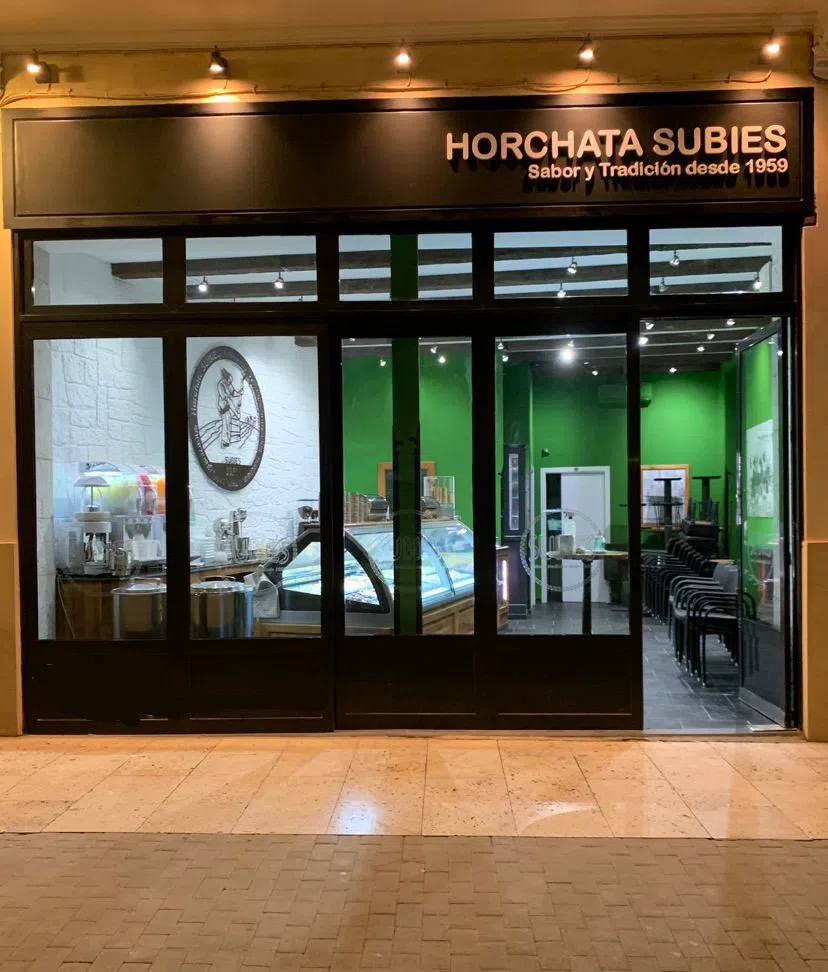
Horchatería Subies (near the centre) is the purist's short-detour choice. Making it since 1959 with absolute fidelity to tradition — 100% natural D.O. Valencia chufa, no gimmicks — it's a compact classic bar where the horchata (med mixta around €3.20, with little amparito buns about €1) is the entire point. The room is tight, so it's fine for two or three and awkward for a large group. Go if you want to taste what "no shortcuts" means and you don't need space.
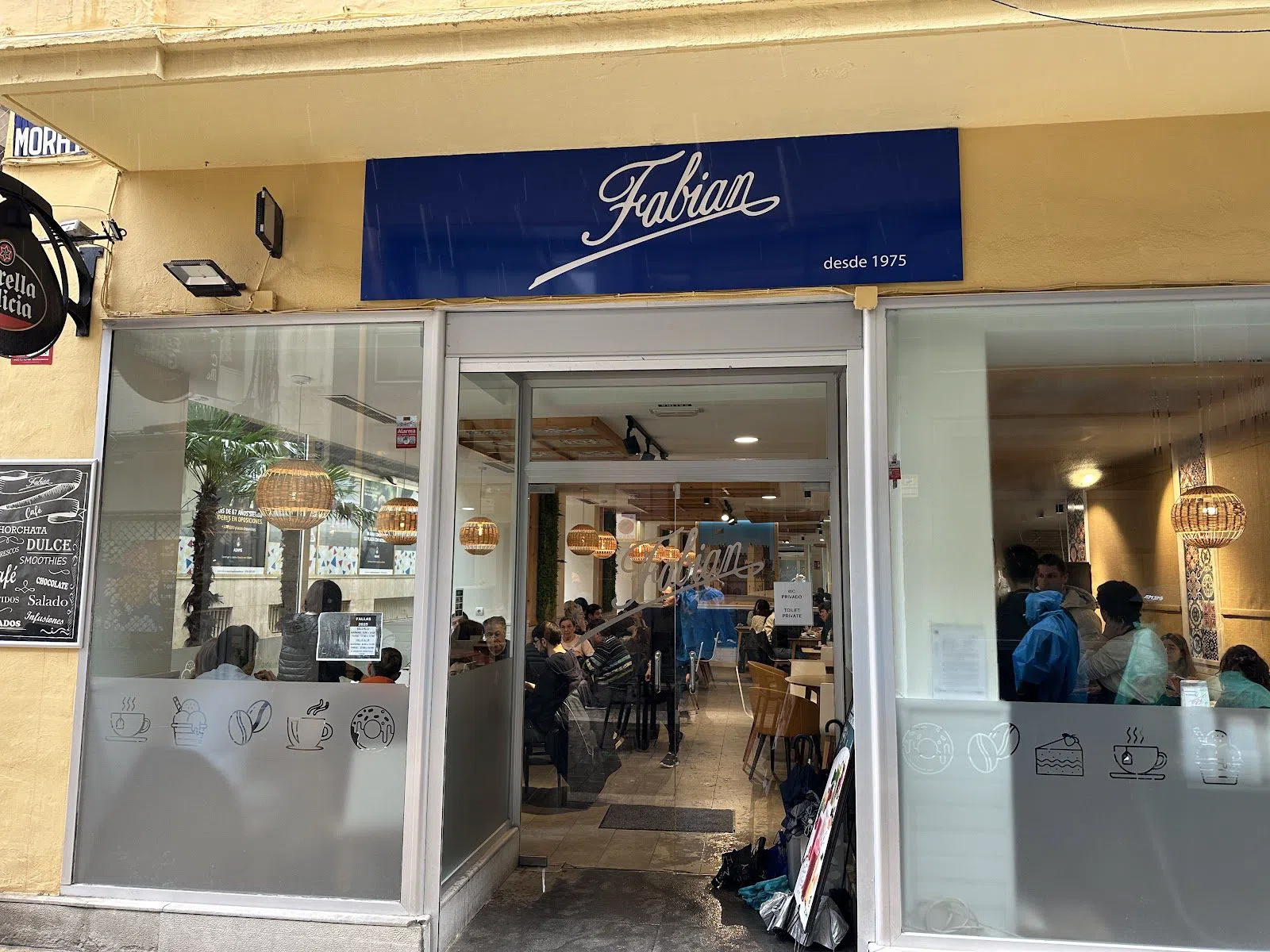
Horchatería Fabián (near Cánovas, by the Turia park) is the group-and-terrace answer in this bracket. It's a local classic with a large terrace built for crowds, and it comes alive as a Sunday-afternoon ritual for Valencian families — creamy horchata that stops short of cloying, and a long pastry counter to work through. Very group-friendly, around €5–7 per person. Pair it with a walk in the old riverbed gardens; the two go together naturally.
Horchatería Rin (north of the centre) is the reliable roomy stop if you're up that way. A farmer-family house since 1980 using its own Alboraya chufa, it's a big venue with quick street-side bar service — good for groups and good for a fast glass on the move. Horchata med mixta about €3.50, farton about €0.90. Nothing flashy, consistently excellent, and easy to get in and out of.
Alboraya: the tiger-nut heartland
Alboraya is the farming town just north of Valencia where the chufa is actually grown, and it's where the drink is taken most seriously. It's a short taxi or metro hop — worth it if horchata is more than a box to tick. Here the flat huerta fields around you are the same ones the glass came from, and the difference in the drink is real.
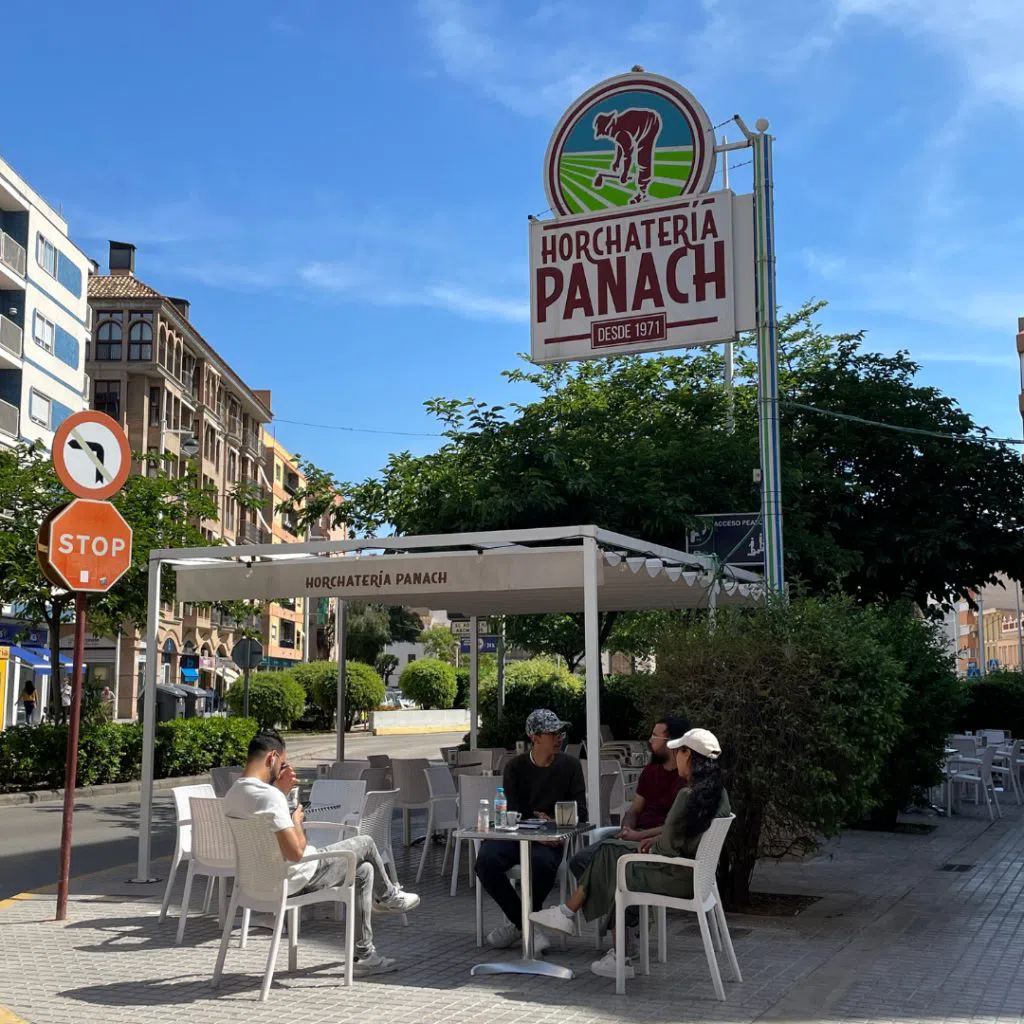
Horchatería Panach (Alboraya) is the one locals most often rank at the top. Making horchata since 1971, it pours an intense, full-bodied version that rewards the trip out, and the premises are spacious and modern with a terrace that handles large groups without strain. Horchata mixta mediana runs about €3.50, fartons about €0.80. If you want to understand why Valencians are dismissive of supermarket horchata, drink Panach's back to back with any carton and the argument ends there.
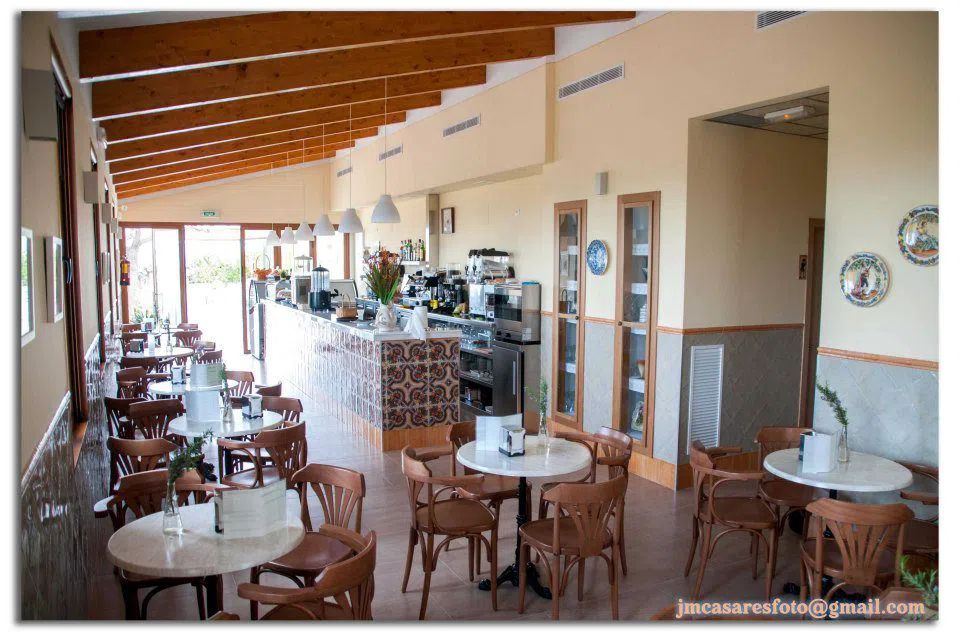
Horchatería Vida (Alboraya huerta) is the standout for families and groups who want the field experience rather than a café. It's a sprawling garden setting — roughly 12–15 minutes from the centre — where you drink horchata among the tiger-nut fields, with fartons that get specific praise. Horchata mixta mediana is a low ~€2.90, farton ~€0.90, so it's excellent value for the setting. Built for crowds and children, relaxed, and the closest most visitors will get to seeing where the drink starts. If you're travelling with kids or a large party, this is the one to plan around.
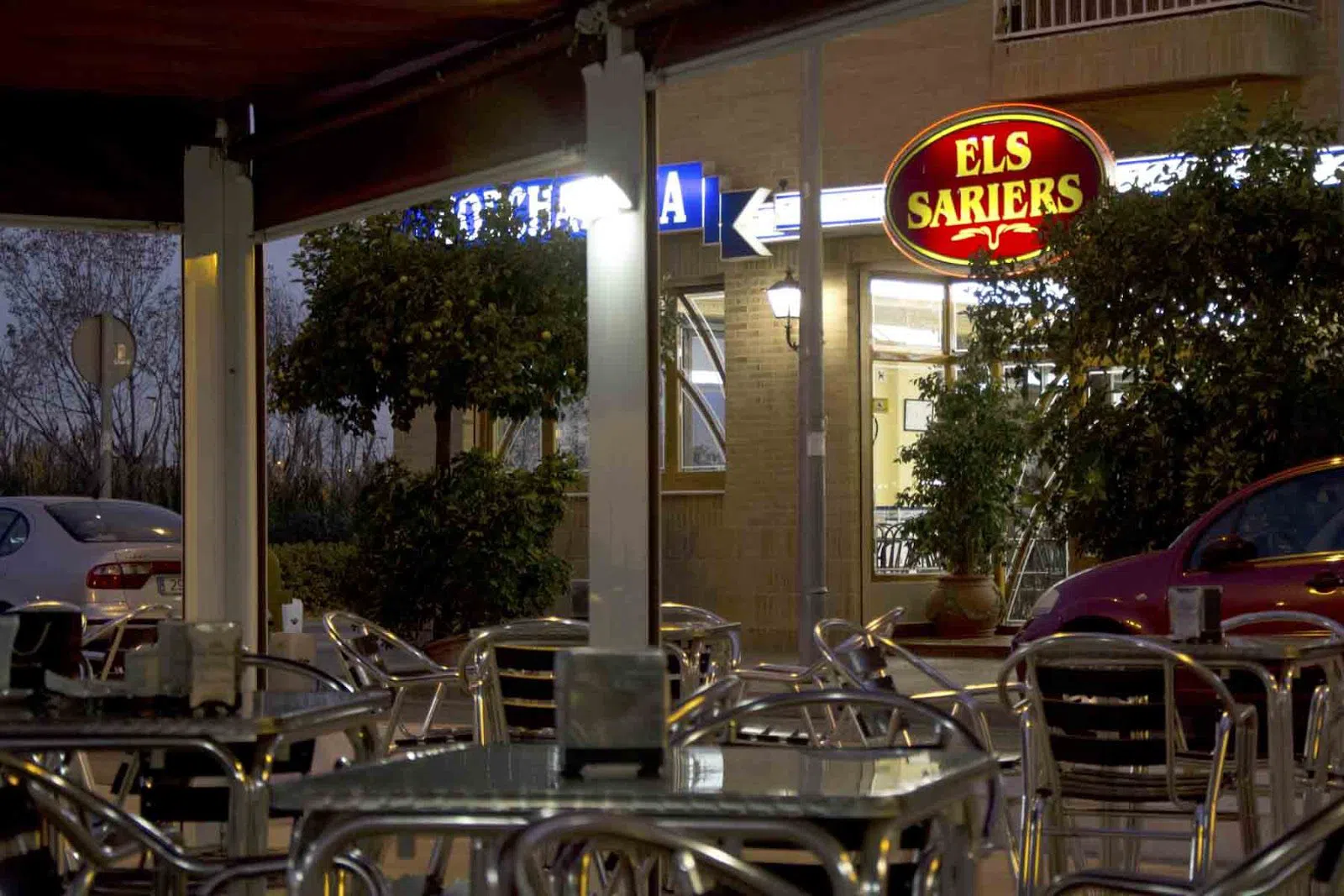
Horchatería Els Sariers (Alboraya neighbourhood) is the small, sincere alternative for people who want to dodge the crowds. Family-run since 1995, growing their own chufa and making genuinely house-made horchata and fartons, it's a neighbourhood spot that takes small-to-mid groups and stays relaxed. Horchata med mixta about €3.40, artisan fartons about €1.50 — a touch dearer on the buns, and you can taste why. Come here if you'd rather sit with locals than tourists and don't need a big table.
If you want to learn it, not just drink it
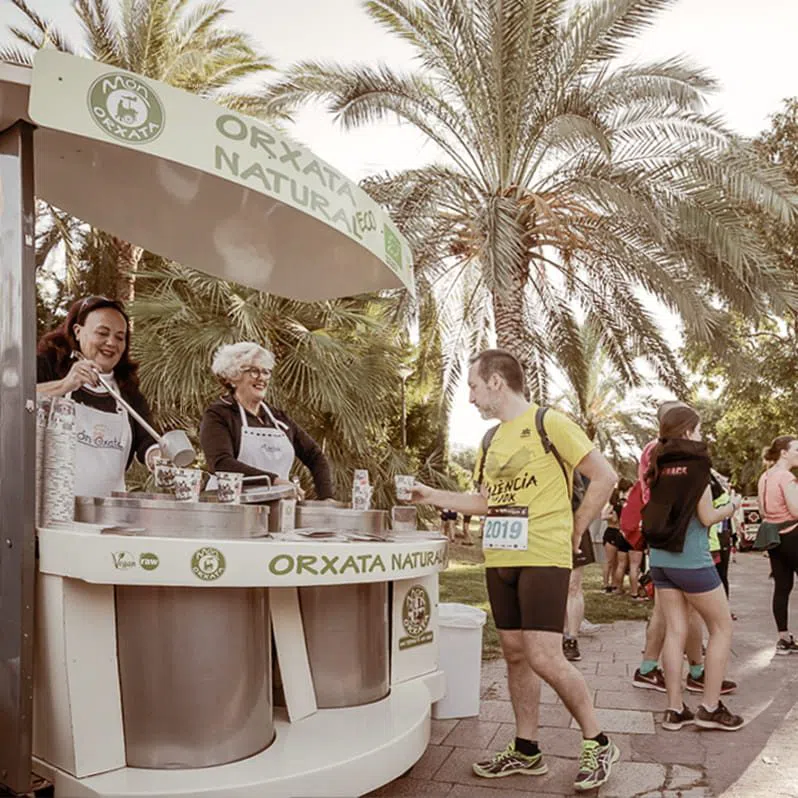
Món Orxata (Alboraya, in the huerta) is the pick for an international traveller who wants to understand horchata rather than simply order one. It runs bookable group workshops and tastings out in the fields — explicitly built for groups and visitors — walking you through the D.O. Valencia chufa, how the drink is made and how to tell good from lazy. It's the one place in this guide that isn't cheap-by-default: reckon on roughly €10–20 per person for the experience, and you must book ahead rather than walking in. If you have a morning to spare and you like knowing how a thing is made, this turns a drink into a proper outing. For everyone else, it's overkill — a normal café glass is the point of horchata.
Matching the place to your group
A quick honest sort, because the venues genuinely differ:
- Couple or pair, want tradition: Subies, El Siglo or El Collado. All small, all characterful, none built for a crowd.
- A group that wants to sit together: Daniel at Mercado Colón, Fabián, Rin or Panach — all handle numbers comfortably.
- Families / the field experience: Vida first, then Panach. Both have space and setting.
- First-timer, minimal detour: Daniel for quality, Santa Catalina for atmosphere.
- Want to learn: Món Orxata, booked in advance.
None of these places run a door policy or dress code — this is cold sweet tuber milk, not a nightclub — but the small old-town rooms genuinely can't take groups, so read the room before you walk six people into El Collado.
Practical notes
Getting to Alboraya. Metro lines from the centre reach Alboraya in a short hop, and a taxi is quick and cheap if you're a group splitting the fare; Vida and Món Orxata sit out among the fields, so a taxi to the door saves a walk. For the central and old-town houses you'll be on foot — everything from Santa Catalina to Mercado Colón is an easy stroll.
Cash. Card is widely taken at the larger houses, but the small classic bars and Alboraya spots can be cash-first or cash-only, and it's a low-value transaction anyway — carry a few euros in coins so you're not holding up a fast-moving counter.
Timing. Horchata is at its best in the warm months (roughly spring through early autumn); some Alboraya places scale back in winter. Late morning and mid-afternoon are the natural slots — Sunday afternoon is the local ritual, which means Fabián and the Alboraya terraces fill up, so arrive a little before the crowd if you want a table. Món Orxata workshops need booking ahead; everything else is walk-in.
Budget. Almost everywhere, a glass and a farton is about €5 per person, €5–7 if you add pastries. The only real outlier is the Món Orxata workshop at roughly €10–20 per person. You could taste your way through three or four houses in a day for less than the price of one sit-down lunch.
Where to stay. Base yourself in or near the old town and you can walk the historic-centre houses and reach Mercado Colón easily, with Alboraya a short ride north — compare rates on the Valencia hotel search before you lock in a neighbourhood.
Horchata won't fill an afternoon on its own, and I wouldn't pad a day pretending it does. But slotted between the sights — a glass at Daniel after the market, a slow one at Vida among the fields — it's one of the few genuinely old Valencian habits you can still join exactly as locals do. Older than paella, and quietly better company.
Before you go
What exactly is horchata in Valencia?
It's a cold, sweet, milk-white drink made only from chufa (tiger nut), water and sugar — not almond milk. The best houses use D.O. Valencia chufa. It's served chilled, often as a slush (granizada) or part-slush (mixta), and traditionally paired with a farton bun for dunking.
Is it worth going out to Alboraya for horchata?
Yes, if horchata is more than a box to tick. Alboraya is the farming town just north of the city where the tiger nut is grown, a short metro or taxi hop away. Panach and Vida there pour a noticeably more intense, fresher drink than most central cafés — Vida lets you drink it among the fields.
Which horchatería is best if I only have time for one?
Horchatería Daniel at Mercado Colón. It combines real field pedigree (own tiger-nut crop in Alboraya since 1949) with the most convenient central location, big communal tables, no bookings and around €5–7 per person.
Do horchaterías take groups, or do I need to book?
Most take walk-in groups with no door policy — Daniel, Fabián, Rin, Panach and Vida all have room. The small old-town classics (El Siglo, El Collado, Subies) suit pairs and won't fit a crowd. The only place needing a booking is Món Orxata, whose field workshops are reserved in advance.
How much does horchata cost in Valencia?
Cheap. A glass and a farton runs about €5 per person almost everywhere, or €5–7 with extra pastries. Horchata itself is roughly €3–3.50 a glass. The only pricier option is the Món Orxata workshop at about €10–20 per person for a guided tasting.