The Valencia issue
The River That Became a Park: Valencia's Turia, Nine Kilometres of Green
A calm, end-to-end walk through the drained riverbed that Valencia turned into its finest public space — what to actually do along its nine kilometres, and what to skip.

By Bram VerhoevenNeighbourhoods, sights and slow days out
In 1957 the Turia burst its banks and drowned much of Valencia. The city's answer, decades later, was quietly radical: it diverted the river south and kept the empty bed, then planted it. What you walk today is a sunken ribbon of green nine kilometres long, threading beneath the old road bridges from the western edge of the city all the way to the sea. It is not a garden to admire from a bench so much as a corridor to move through, and the smartest way to see Valencia is to treat the Turia as your spine and step up to street level only when something is worth it.
This guide runs west to east, the way the old water flowed, because that is also roughly how the interest builds — from leafy and low-key at the Cabecera end to the glass-and-water spectacle of the City of Arts near the coast. You can walk the whole length in about two hours without stopping, but nobody should. Pick a stretch, give it half a day, and let the riverbed carry you between the stops.
The western end: green, cheap and unhurried
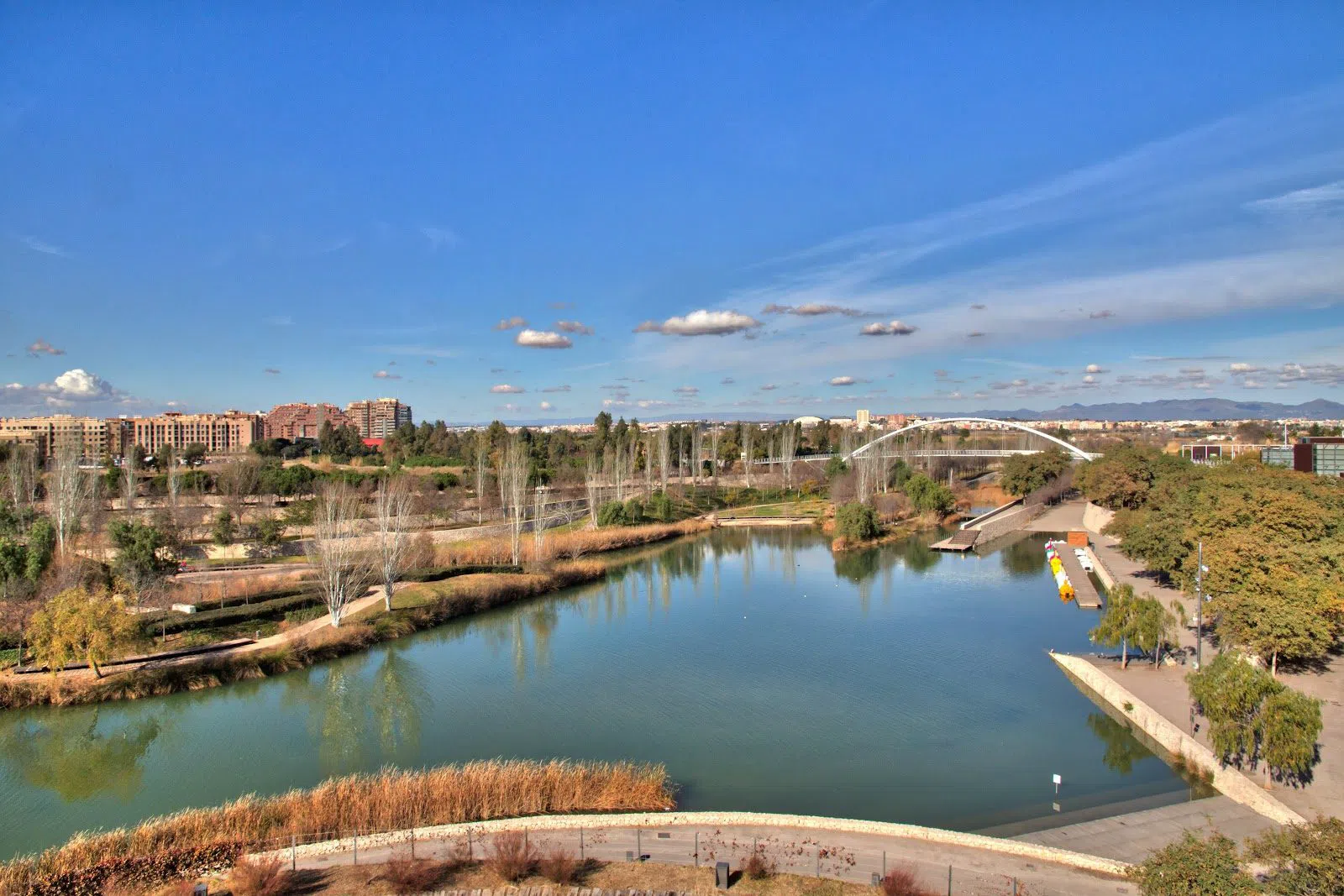
Start where the park is widest and least polished. The far-west Cabecera Park (Cabecera, next to Bioparc) is landscaped as a soft, sloping woodland with a boating lake at its heart, and it is the quietest corner of the whole Turia. The Cabecera Park boat rental here is exactly what it sounds like — swan-shaped pedalos and small boats seat up to four, cost around €14 per boat for thirty minutes, and need no booking or dress code. For a group it is a genuinely good low-effort idea: grab several boats, spread out on the water, done. As an attraction on its own it is slight; treat it as twenty easy minutes rather than a destination.
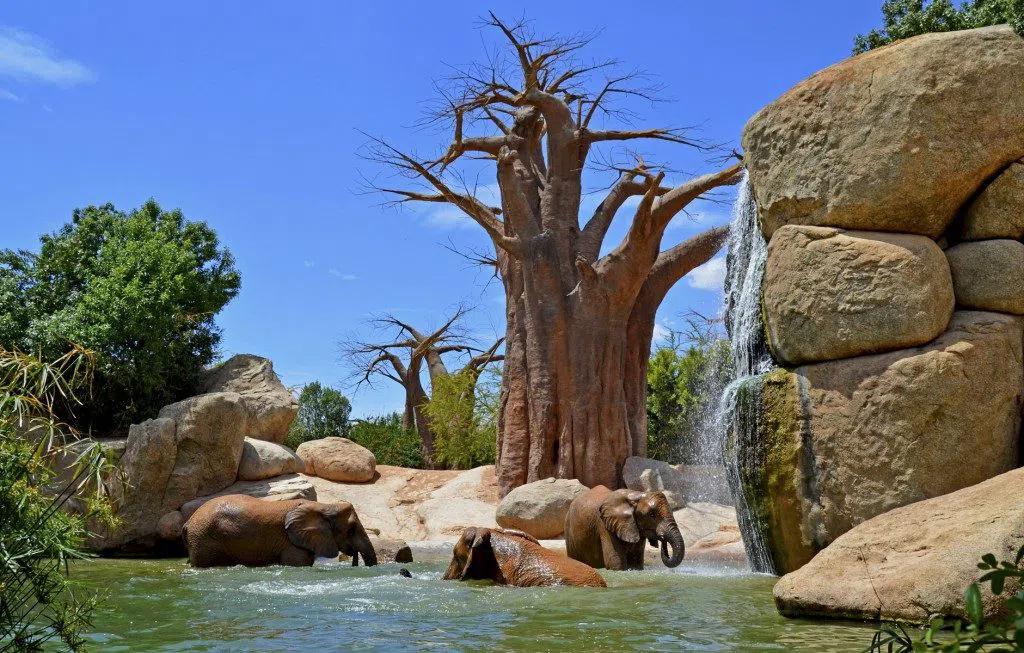
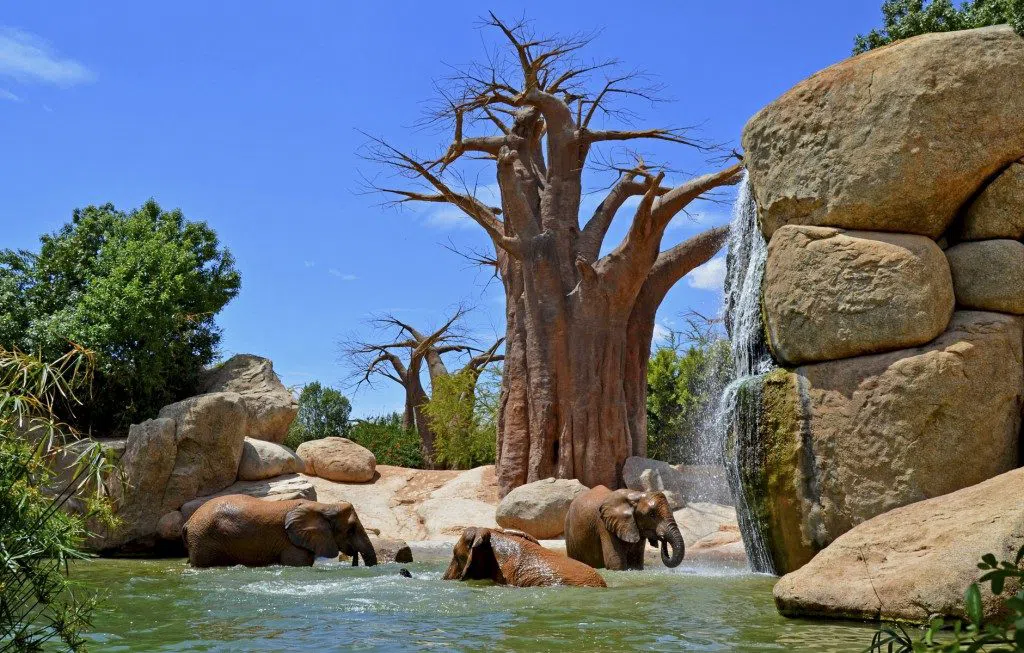
The reason to be at this end is next door. Bioparc València (Cabecera) is the city's zoo, but built on the immersion principle — hidden barriers and open enclosures put you eye-level with lions, hippos and gorillas across recreated African landscapes rather than staring through bars. It is a proper half-day at €30.90 for adults and €24.20 for children, with under-fours free, and it absorbs big parties without strain: group and school rates exist, the enclosures are large, and there is no door policy beyond booking ahead on busy weekends. It suits families and mixed-age groups better than couples after a romantic afternoon. Pair it with the boats and you have a relaxed morning at the cheap, green end before the crowds further east.
Plan your Valencia trip
Live prices from our booking partners.
Free cancellation on many rooms. We may earn a commission when you book.
The middle stretch: culture at a slower pulse
The long central section of the riverbed is where locals actually use the park — running, cycling, walking dogs under the bridges — and where the cultural stops are calmer and often free. This is the part to walk rather than tick off.
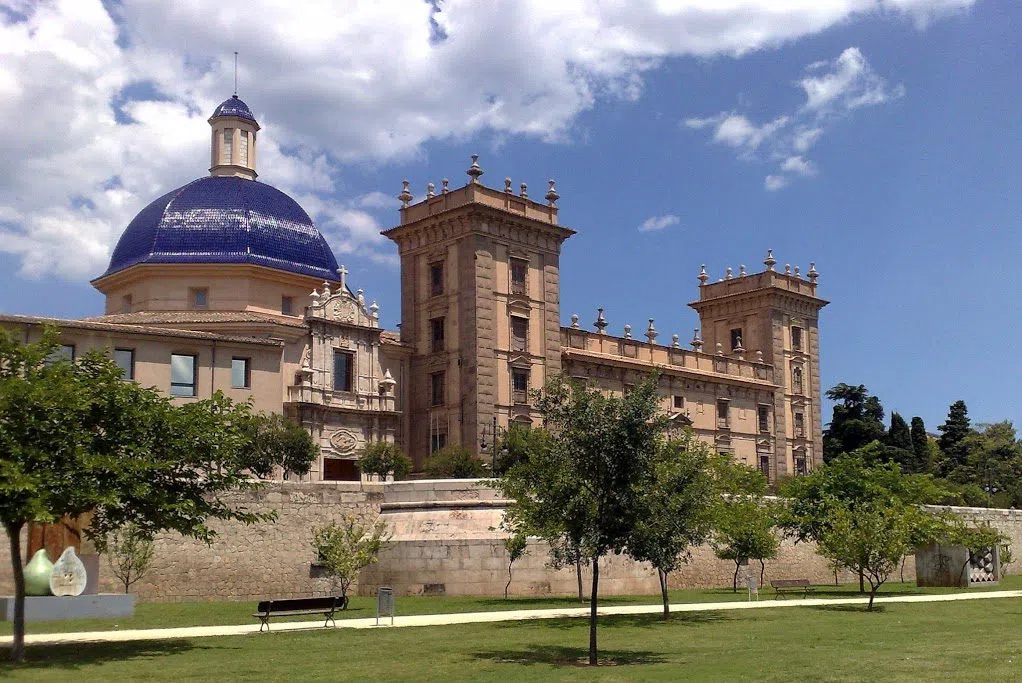
Right on the old riverbank sits the Museu de Belles Arts de València (Ciutat Vella side, near the Puente del Real). It is Spain's second-largest art gallery, free to enter and open Tuesday to Sunday, and it is reliably uncrowded — a proper counterweight to the modern spectacle downriver. The collection is large enough to swallow a group comfortably, guided visits are available, and you can give it forty-five minutes or two hours depending on appetite. If you want one indoor culture stop that costs nothing and never feels like a scrum, this is it.
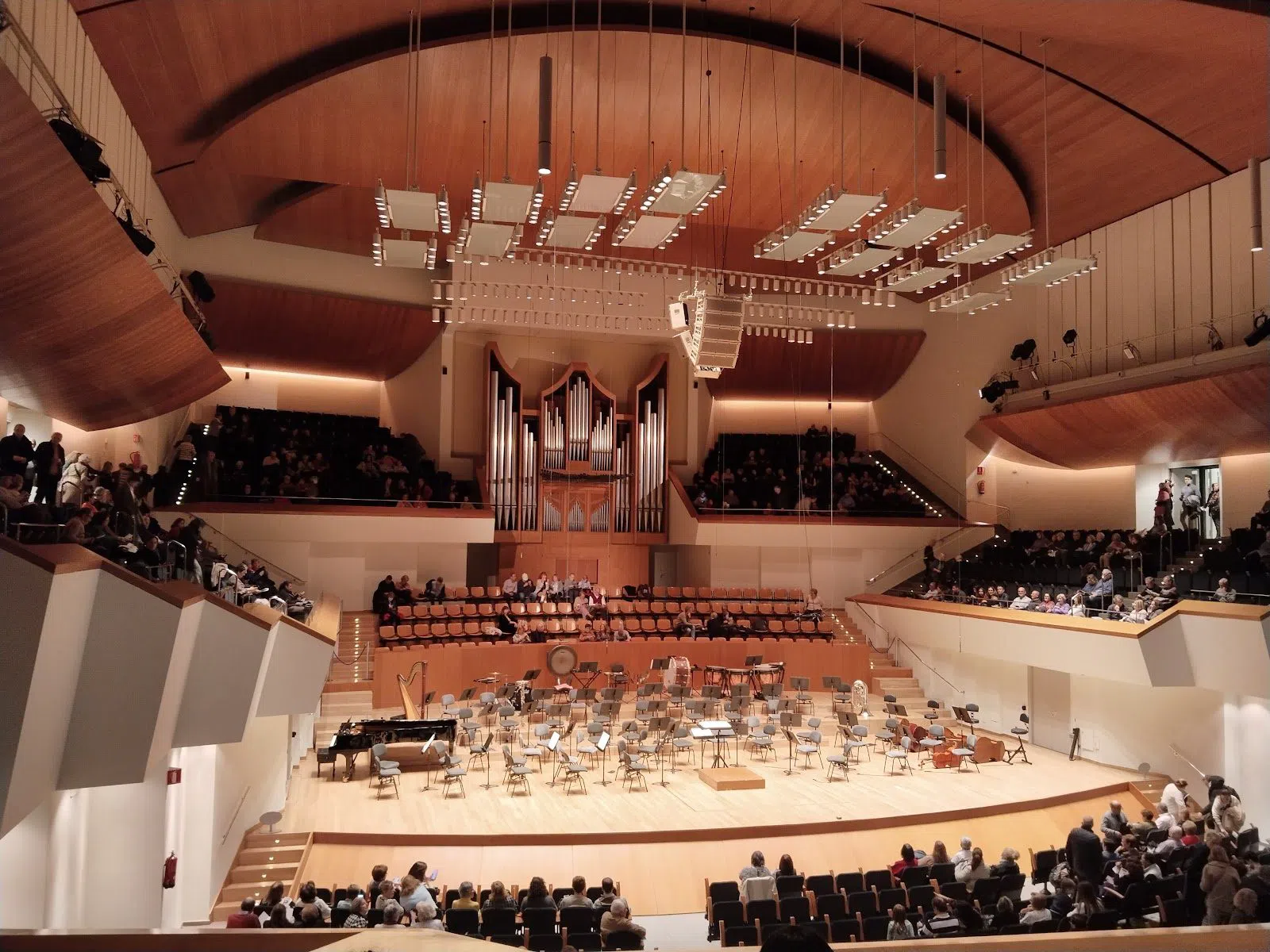
Mid-park, the Palau de la Música de València (Turia riverbed, central stretch) is the calmer performing-arts pick, a glass-domed concert hall fronted by fountains that doubles as a riverbed landmark. It is home to the Orchestra of València and has recently reopened after a €12M refit; tickets for its classical and orchestral programme typically run €10–€40, dress is smart-casual, and group concert bookings are straightforward. It is a good choice for an evening that wants music without the formality — or expense — of the opera house further east.
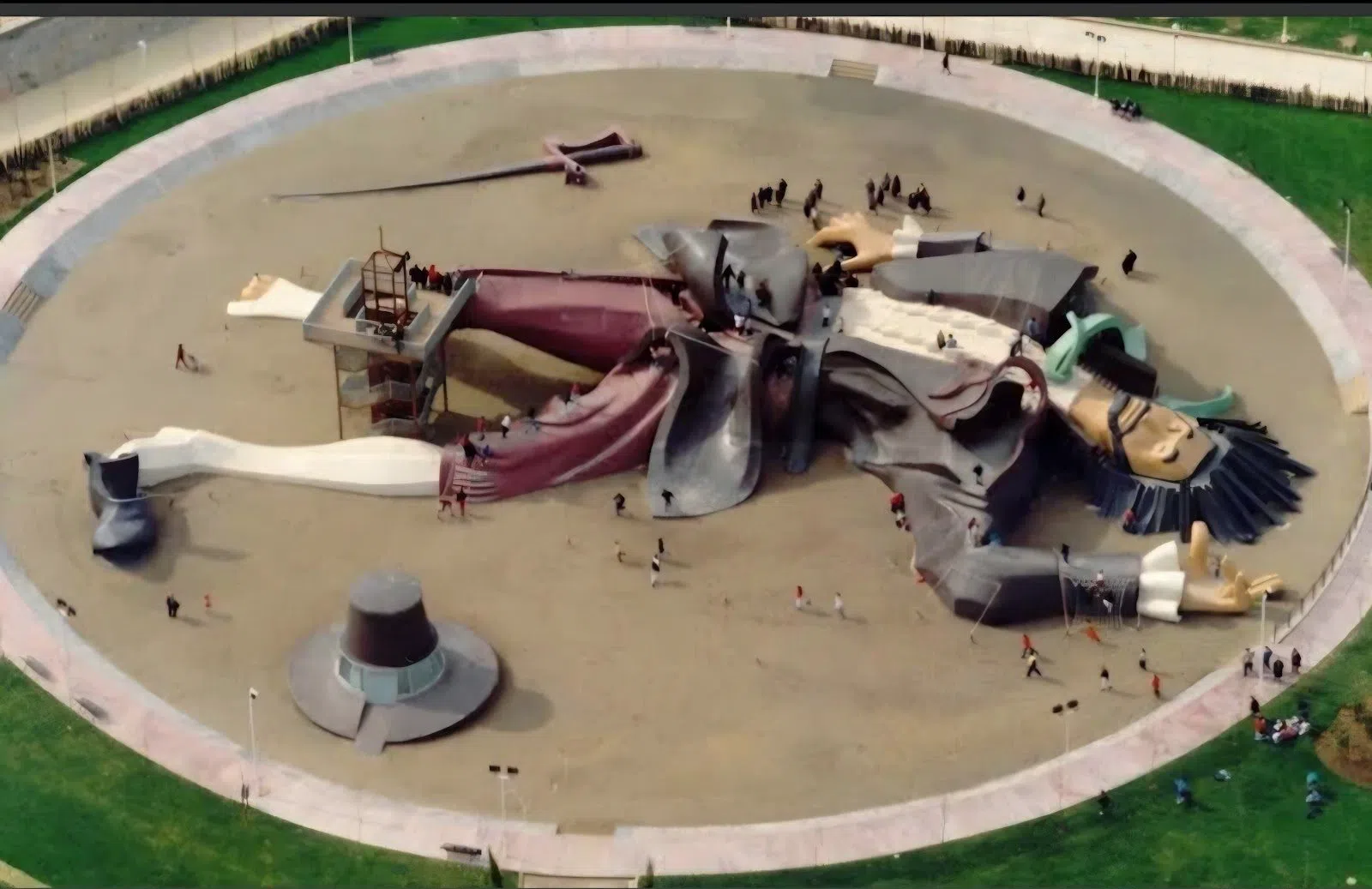
As you move toward the eastern end you will pass Parc Gulliver (near the City of Arts), a free open-air playground built as a vast reclining Gulliver whose body is a network of slides and ramps. Children swarm it, but adults slide down it too and the aerial shapes are genuinely photogenic. There are no tickets and no door policy — you simply roam. Budget twenty minutes; it is a fun punctuation mark between the middle park and the showpiece, not an outing in itself.
Covering ground: the Segway option
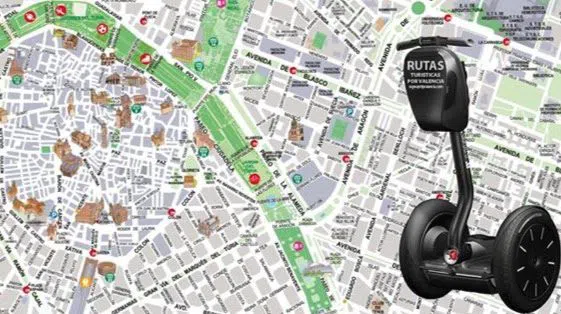
Nine kilometres is a lot of park, and not everyone wants to walk or cycle it. Segway Trip València (City of Arts / Turia Gardens route) is an official Segway partner running small-group tours — roughly seven riders maximum — along the riverbed and out to the City of Arts, with a short training session first and multilingual guides. A one to one-and-a-half hour tour costs about €30–€40. It suits a group of mixed fitness who want to see the eastern half without pedalling, and the training-and-glide format works as an icebreaker early in a trip. If everyone in your party is happy on foot or on a hire bike, you can skip it and spend the money on tickets instead — but for a genuinely mixed-ability group it earns its place.
The City of Arts and Sciences: the eastern showpiece
The eastern kilometre is where the Turia stops being a park and becomes an event. Santiago Calatrava's white, skeletal buildings rise straight out of shallow blue pools, and this is the single densest cluster of things to do in the whole city. It is also where the crowds concentrate, so plan the order rather than drifting between buildings.
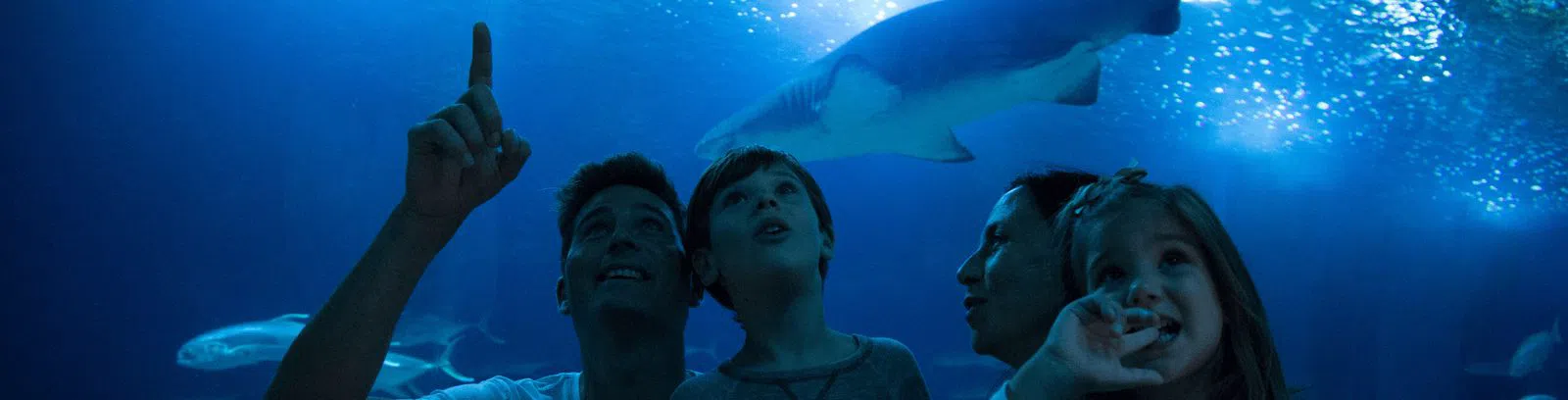
The anchor is Oceanogràfic València (City of Arts, eastern end), Europe's largest aquarium and the biggest single draw on the Turia. Some 27,000 animals live across habitats that run from Arctic to Mediterranean, and it is built for volume: adult tickets start around €35, combination tickets with the science museum are available, and group and behind-the-scenes packages make it a natural fit for large mixed-age parties. It opens every day except 25 December. Give it at least half a day — it is genuinely big, and rushing it wastes the ticket.
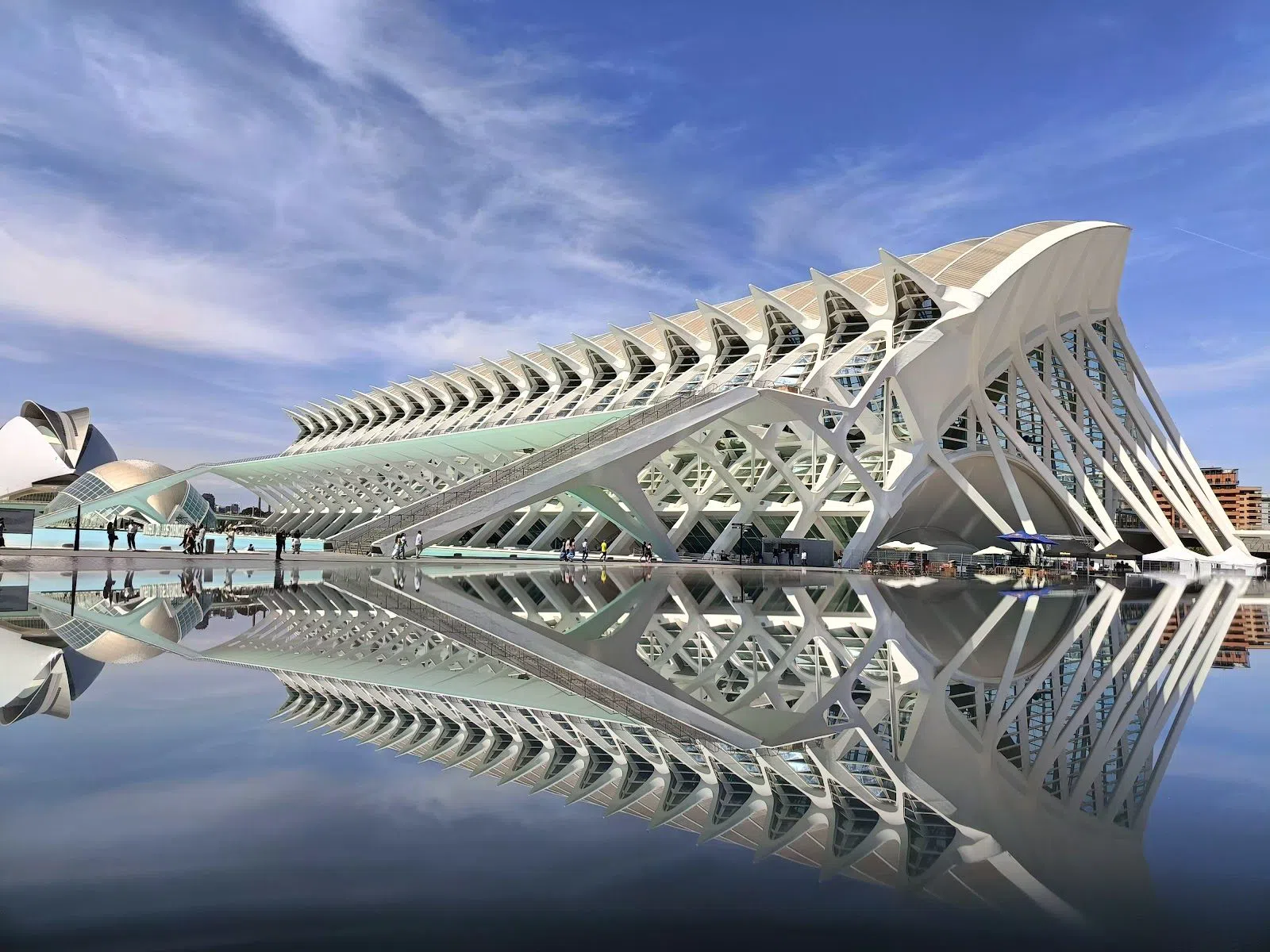
Next door, the Museu de les Ciències Príncipe Felipe (City of Arts) is the hands-on science museum, all touch-everything exhibits under that dramatic ribcage of a roof. At roughly €9 for adults — with combined CaC tickets available across the complex — it is cheap, and it is squarely aimed at school groups and families who need to burn energy indoors. Couples without children can happily skip the interior and just photograph the building, which is arguably the best exhibit anyway.
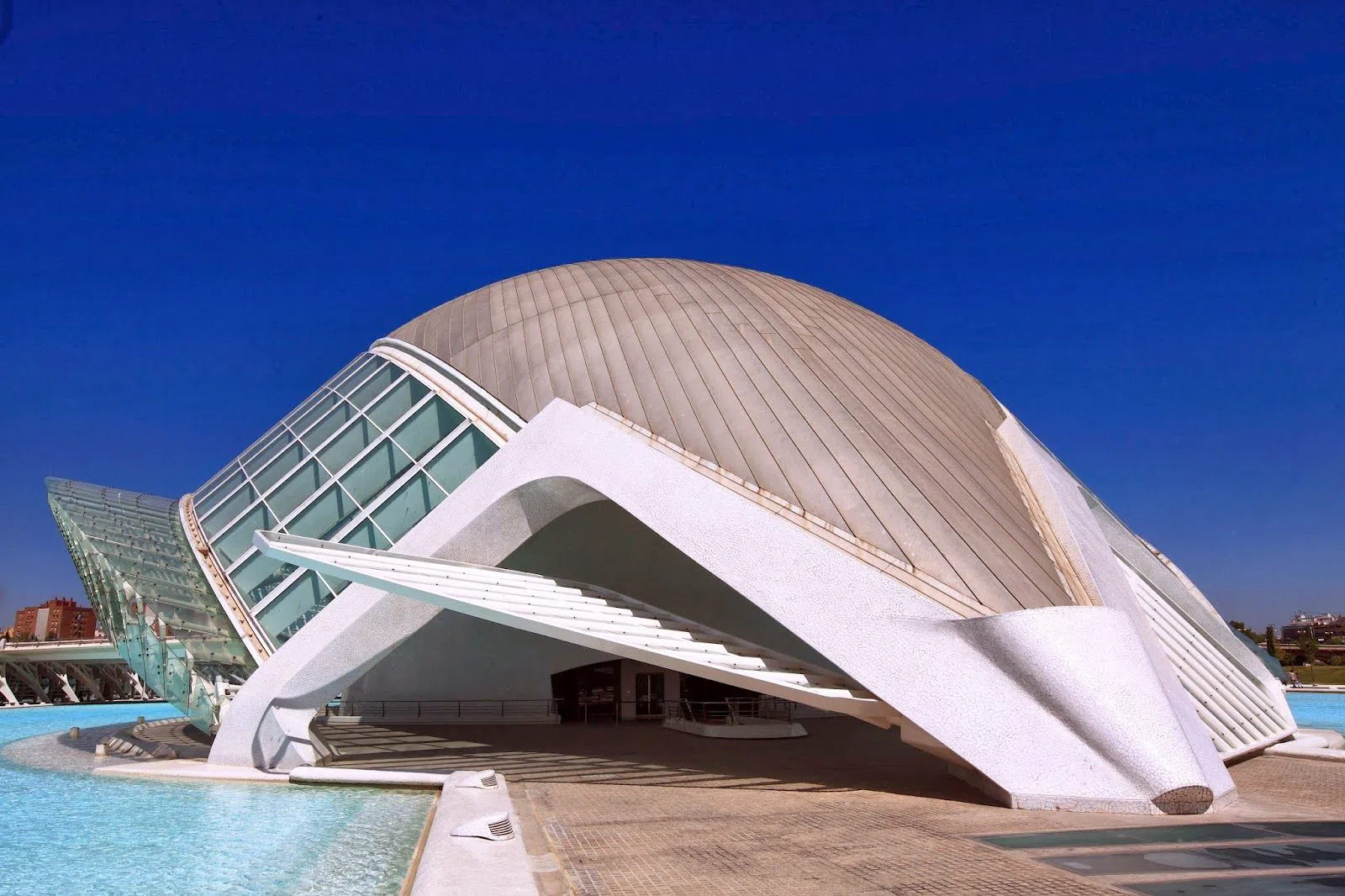
Sharing the same reflecting pool is L'Hemisfèric (City of Arts), the eye-shaped planetarium and IMAX dome whose mirror image in the water is the most photographed shape in the complex. Screenings run about €9 each; seating is fixed and everyone watches the same timed showing, so it works for a group only if you all book the same session. It is a sound rainy-hour option and a short one — a single dome show rather than a half-day.
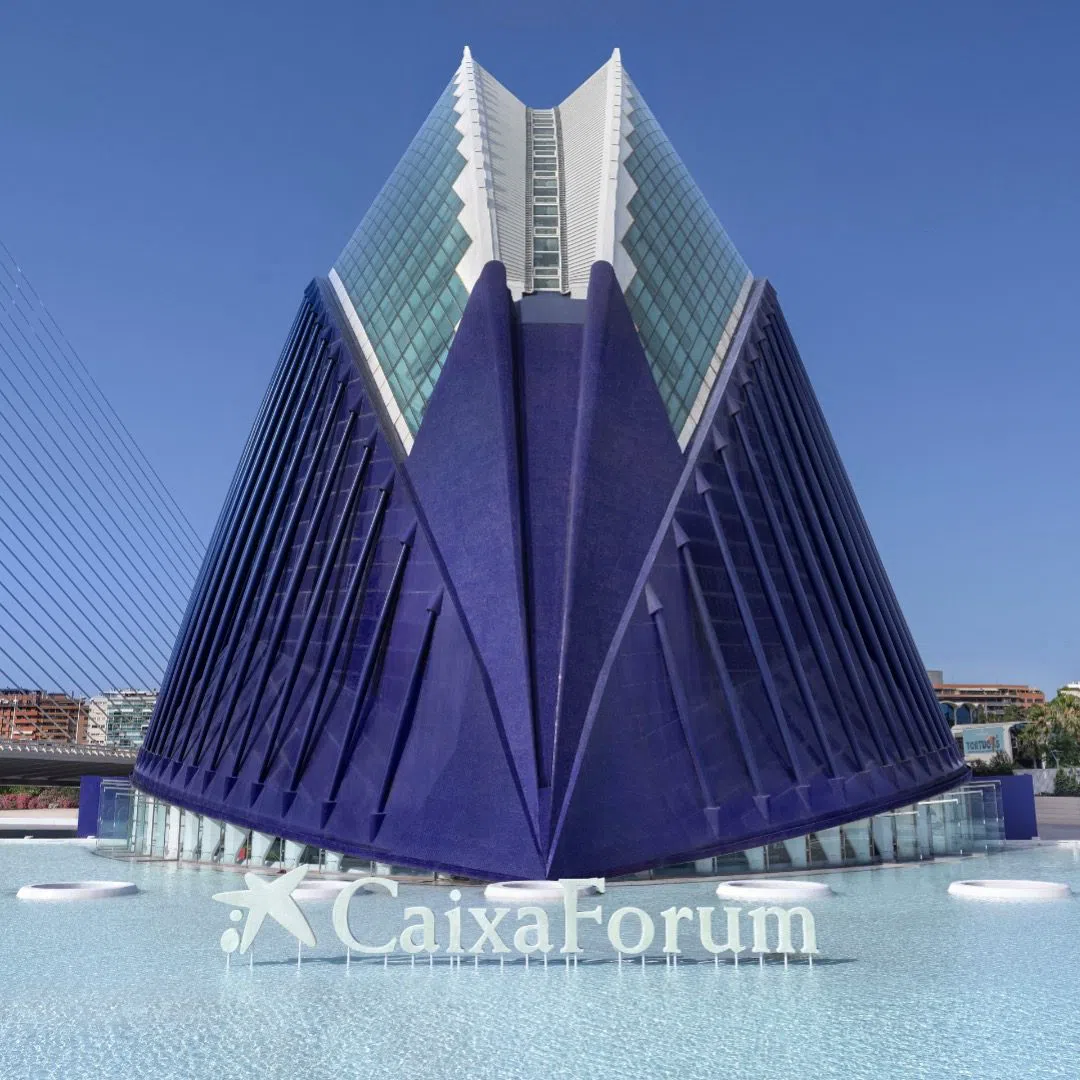
The most flexible stop here is CaixaForum València (City of Arts, inside the Ágora), the complex's newest tenant, opened in 2022. It runs rotating art and science exhibitions plus family workshops, entry is free to €6, and it handles crowds easily. Because the programme changes, it is the weatherproof wildcard: check what is on when you arrive rather than assuming. For a group caught by a downpour with an hour to fill, it is the easy answer.
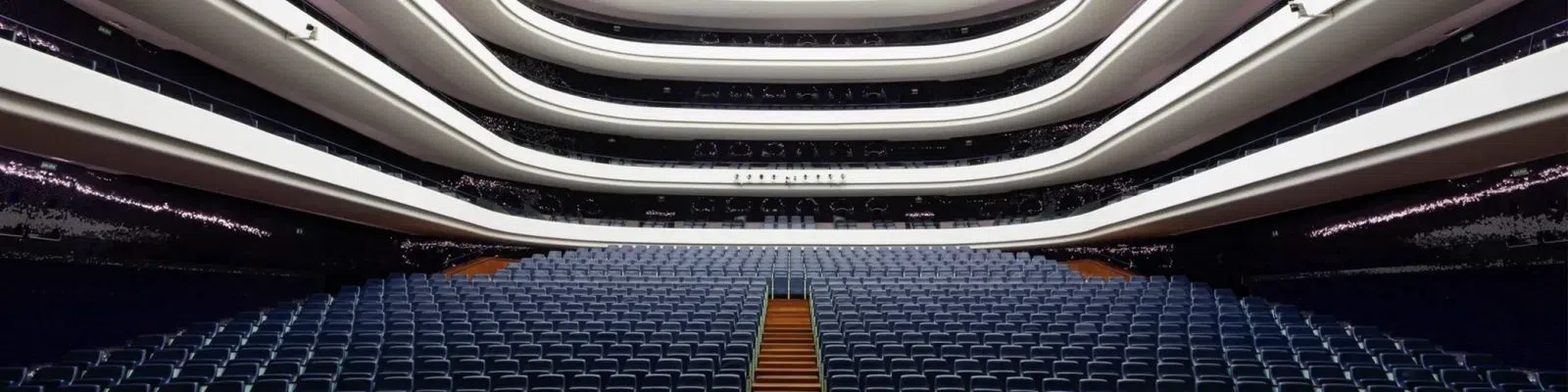
For a cultured evening rather than a daytime one, the Palau de les Arts Reina Sofía (City of Arts) is Valencia's opera house, staging a full 2025–26 season that includes Faust, Turandot and Salome, alongside ballet and concerts. Tickets range widely, from around €20 to €150 depending on the production, and this is a formal venue — smart-casual is the floor, and you should dress up rather than down. Book the programme, not just the exterior: plenty of visitors photograph the building and never realise there is a working opera house inside. It anchors a proper night out at the eastern end.
After dark on the riverbed
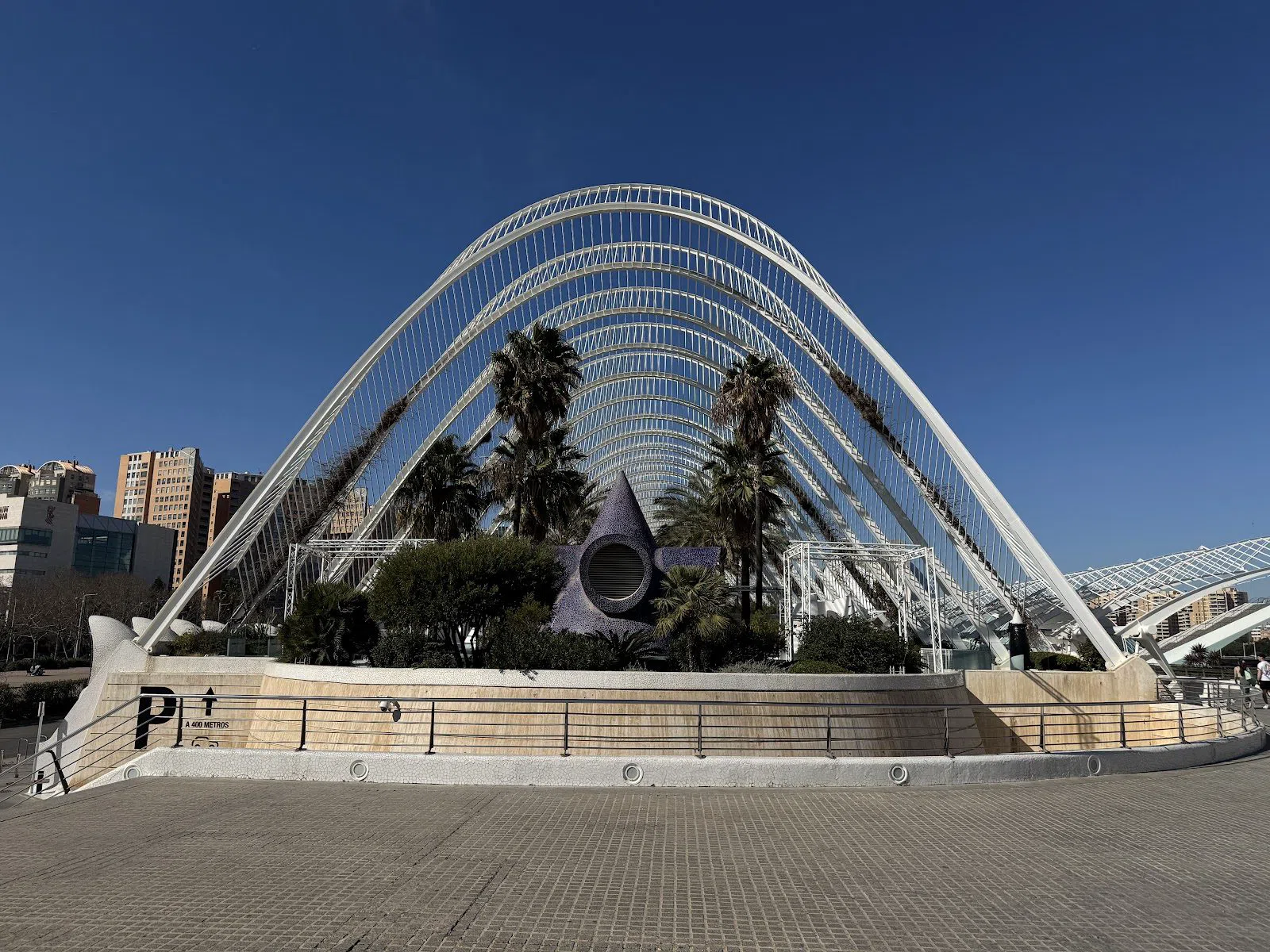
When the museums close, the Turia's nightlife has one obvious centre. L'Umbracle & Mya (City of Arts) is a single operation across two levels — the open-air Umbracle terrace upstairs under its unmistakable arched walkway, and the Mya club downstairs running year-round. It is Valencia's big-group party spot: table and bottle-service packages and guest lists are the norm, entry runs €15–€20, and tables start from around €100 and up. Dress smart and arrive before 00:30 to avoid the worst of the queue. It suits groups who want a proper club night and have booked ahead; it is not the place for a quiet late drink, and couples after something low-key should look elsewhere in the city. Within the Turia, though, it is the definitive night out, and its position among the illuminated Calatrava buildings is hard to beat.
Practicalities
Getting there and around. The Turia has no single entrance — you drop into it from dozens of bridges and ramps along its length. Valencia's metro serves both ends: lines reach the Cabecera area in the west, and the City of Arts sits within walking distance of the Alameda stop and several bus routes at the eastern end. The flat, traffic-free riverbed is ideal for the city's Valenbisi bike-share, and hiring a bike for a day is the single best way to cover all nine kilometres; on foot, allow roughly two hours end to end without stops.
Timing. Do the western, greener end (Bioparc, boats) in the morning when it is cool and quiet, and save the City of Arts for the afternoon and evening — the white buildings photograph best in low light and are floodlit after dark. Oceanogràfic and Bioparc each deserve a half-day, so don't try to stack both into one day.
Money. Cards are accepted almost everywhere, including all the major attractions, but carry a little cash for the boat rental, kiosks and the odd small vendor. Combination tickets across the City of Arts (the CaC and Oceanogràfic-plus-museum combos) save money if you plan to do two or more of the paid sites — buy them together rather than separately.
Budget. The park itself is free, and so are some of its best stops — the riverbed walk, Parc Gulliver and the Museu de Belles Arts cost nothing. The paid anchors are where the money goes: reckon on around €35 for Oceanogràfic, €30.90 for Bioparc, and roughly €9 each for the science museum and Hemisfèric. A day mixing one big-ticket site with the free stretches is easy to keep under €50 a head.
For where to base yourself, a stay near the eastern Turia or the old town puts most of this within a short walk or ride — compare a Valencia hotel search before you book. For the rest of the city beyond the riverbed, see the full Valencia guide.
Before you go
How long is the Turia park and how long does it take to walk?
The Turia Gardens run roughly nine kilometres through the old riverbed. Walking the full length without stopping takes about two hours; most people do one stretch at a time or hire a bike to cover it all in a day.
What are the must-do stops along the Turia?
At the western end, Bioparc València (the immersion zoo, €30.90 adult). At the eastern City of Arts end, Oceanogràfic (Europe's largest aquarium, from around €35) plus the science museum, Hemisfèric planetarium and the free Parc Gulliver playground. The free Museu de Belles Arts sits mid-park.
Is the Turia park free to enter?
Yes — the riverbed park itself is free and open, as are Parc Gulliver and the Museu de Belles Arts de València. The zoo, aquarium, science museum, planetarium and performances inside the park are ticketed separately.
Which end of the park should I start at?
Start west at the greener, quieter Cabecera end (Bioparc and the boat lake) in the morning, then head east to the City of Arts for the afternoon and evening, when the white Calatrava buildings look their best and are floodlit after dark.
Is there nightlife in the Turia park?
Yes. L'Umbracle & Mya at the City of Arts is Valencia's main big-group club — an open-air terrace upstairs and a year-round club below, with €15–€20 entry and bottle-service tables from around €100. Dress smart and arrive before 00:30 to skip the queue.