The Valencia issue
Tiles, Clay and Modernism: Valencia's Quiet Design Heritage
A calm, practical route through Valencia's ceramic soul — national museums, working porcelain, the tile towns on the metro line, and the studios where you can throw your own.

By Bram VerhoevenNeighbourhoods, sights and slow days out
Valencia wears its design history at ankle height and eye level at once: underfoot in the micro-mosaic floors that once travelled to palaces, overhead in the lustred tiles that catch the afternoon light on a plain facade. It is a city built on clay — a thousand years of it, fired in kilns just outside the walls — and yet it rarely shouts about the fact. This is a guide for travellers who would rather trace that thread slowly than tick off a monument, and who don't mind taking a short train to where the work actually happens.
The route below moves from orientation (the museums that explain what you're looking at) to the tile towns on the edge of the metro map, then to the studios where you can put your own hands in the clay, and finally to two small shops worth carrying something home from. Everything named here is real and current for 2026. Where a place suits a couple better than a group, or the other way round, I've said so plainly.
Start with the museums: learn to read the tiles
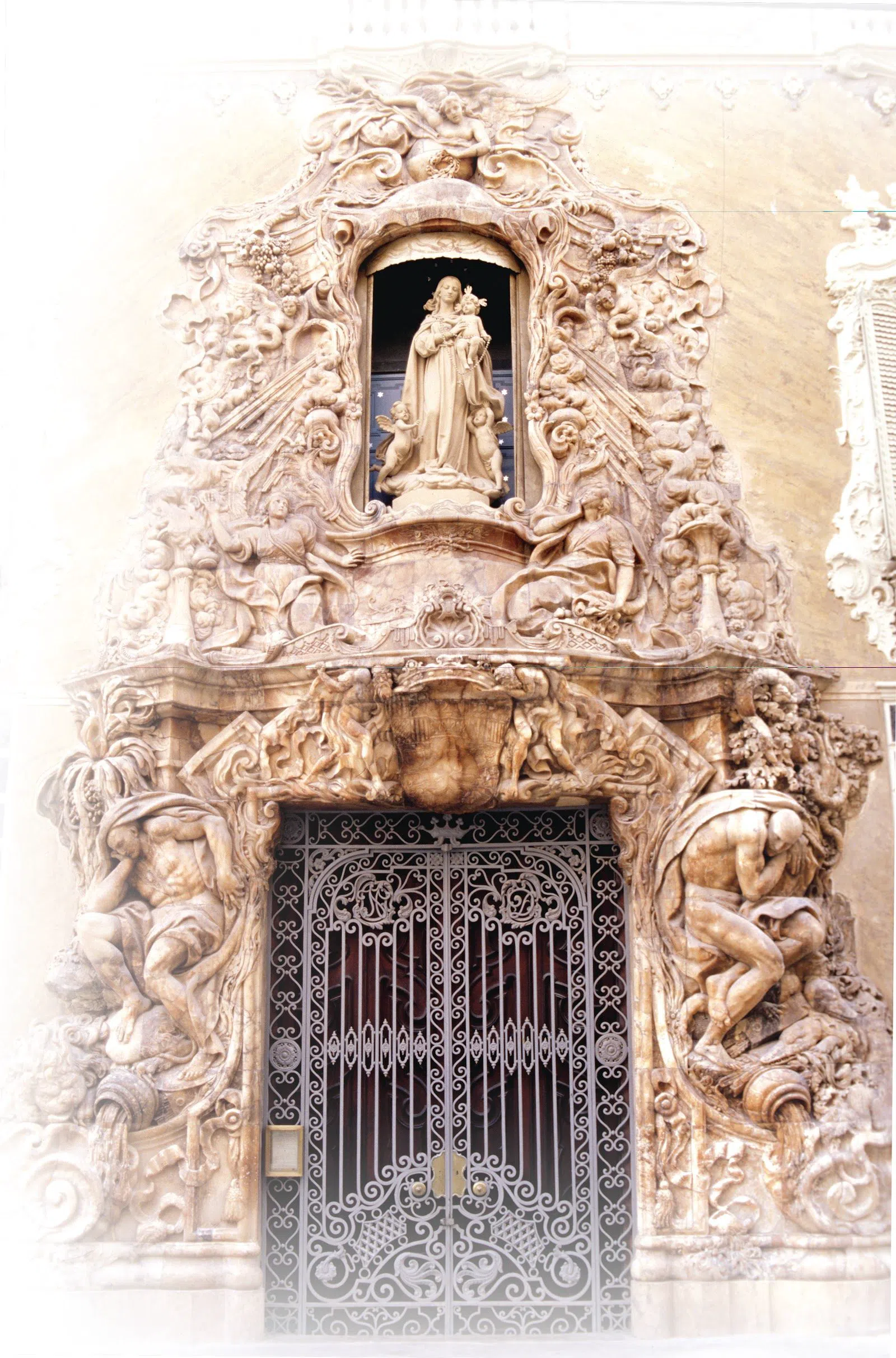
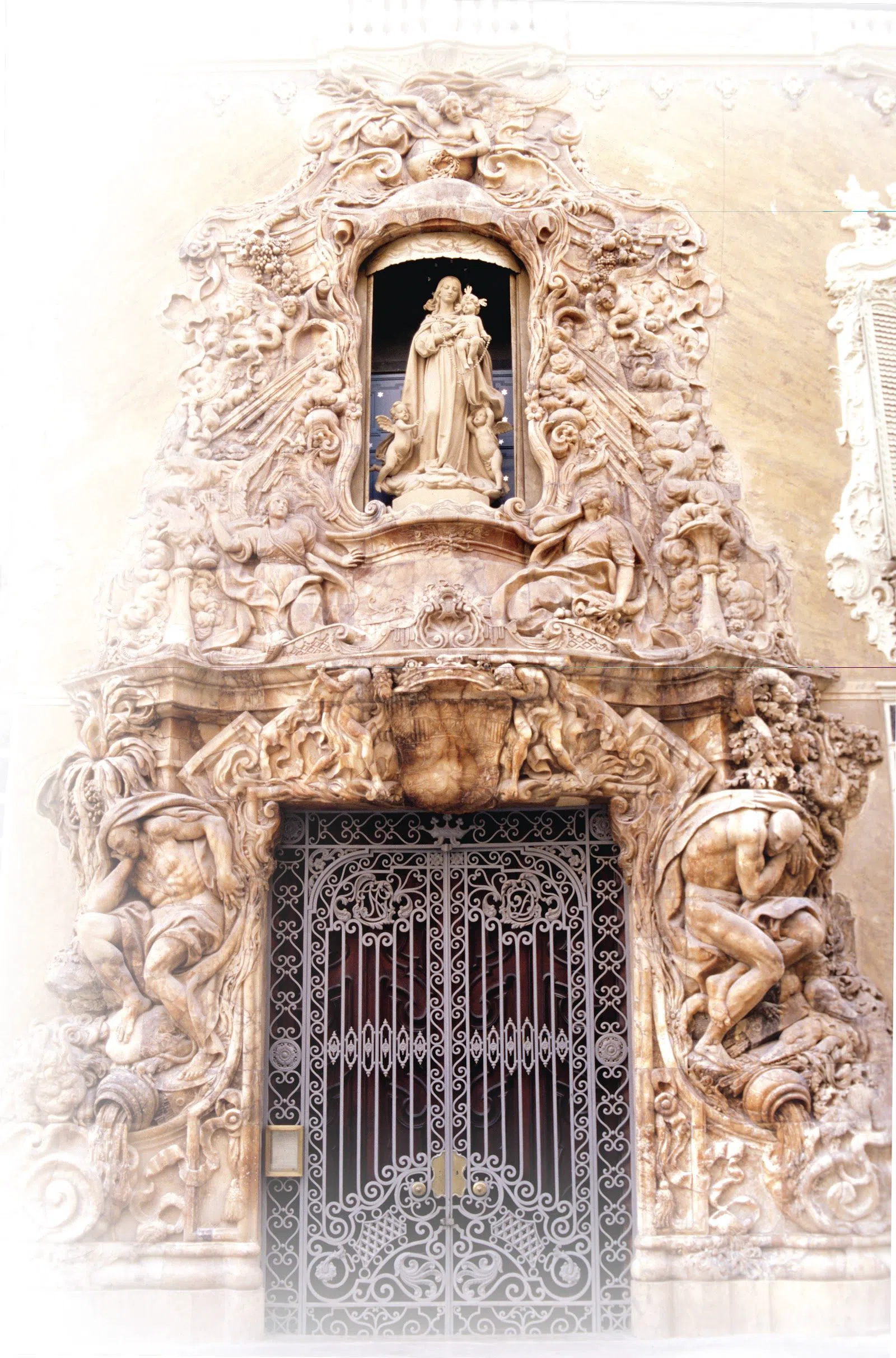
Before you chase ceramics across the region, give yourself an hour to understand what you're seeing. The single best place for that is the Museo Nacional de Cerámica y Artes Suntuarias "González Martí" (Ciutat Vella, in the old centre). This is Spain's national ceramics museum, and even from the street it earns the walk — the Baroque alabaster doorway of the Palacio del Marqués de Dos Aguas is a landmark in its own right, and plenty of people photograph it without realising a world-class tile collection sits behind it. Inside, the Valencian lustreware and the historic tiled kitchen give you the vocabulary — glaze, lustre, cuenca, the difference between a decorative tile and a structural one — that makes the rest of this trip legible.
It's a large public museum, so you can simply walk in; entry is around €3, and it's free on Saturday afternoons and all day Sunday. Groups are fine, and guided group tours can be booked in advance if you want the context narrated. One practical note that trips people up: it's closed on Mondays. If your itinerary is tight, anchor this to a Tuesday-to-Sunday window and do it first, because it changes how you look at everything afterwards.
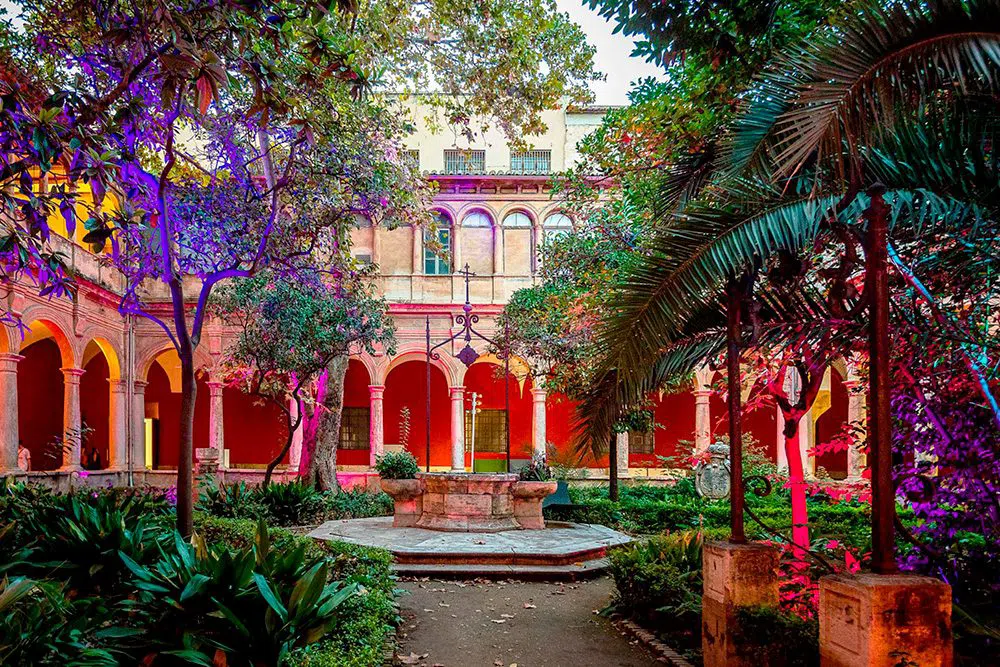
For the contemporary counterpoint, cross into the El Carmen quarter for the Centre del Carme Cultura Contemporània (CCCC), Valencia's contemporary-culture hub. Entry is free, the venue is large, and groups and guided tours are welcome, so it's an easy, low-commitment stop. The 2026 programme includes the 175th-anniversary exhibition of the EASD art-and-design school, which ties neatly into the craft thread of this trip. Honestly, though, even between shows the building itself — a former convent with quiet cloisters — is worth the wander into El Carmen's narrow streets. Give it 45 minutes; more if a show grabs you.
Plan your Valencia trip
Live prices from our booking partners.
Free cancellation on many rooms. We may earn a commission when you book.
The tile towns: short trains, big history
Valencia's ceramic story was never made in the centre. It was made in the working towns on the edge of the plain, and two of them are a short metro or train hop away — this is where a design-minded traveller earns the trip.
Start with Museu de Ceràmica de Manises (MCM), in Manises, a short metro ride from the centre. Manises has been firing ceramics for roughly a thousand years, and this small municipal museum is the heart of it. It's modest — entry is around €2 — and you shouldn't expect a blockbuster; treat it as the key that unlocks the town. The real reason to come is the craft-workshop trail through Manises itself, which the museum pairs with. If your dates are flexible, time your visit to the 2026 International Ceramic Biennial, when studios across the town open their doors and the place comes alive with working kilns rather than glass cases. Groups are welcome at the museum, though the town's charm is really a slow, self-guided one.
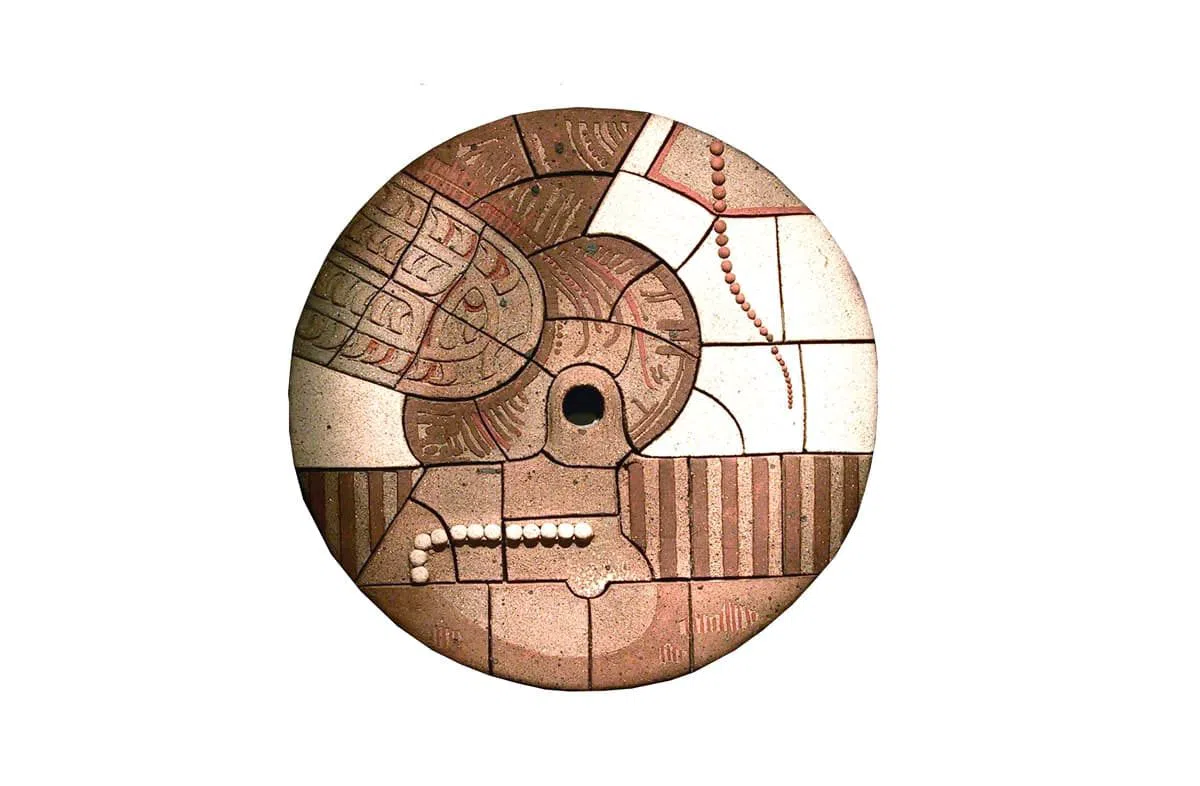
The other essential day-trip is quieter and stranger. In the village of Meliana, the Palauet de Nolla (also signposted as Mosaico Nolla) is the original villa of the Nolla factory, whose micro-mosaic floors — tiny, hard-fired tesserae in geometric patterns — ended up in palaces and grand houses around the world. For tile lovers this is a genuine pilgrimage: you're standing on and inside the source. Visits are guided and by booking, run for small groups, and sit at a low donation-tier price. There's also a self-guided QR 'Ruta Nolla' that threads through the village if you'd rather roam. Book the guided slot if you can — the story of how a local factory's floors travelled the world is the whole point, and it needs telling. This is a stop for the genuinely curious, not for someone half-interested; if mosaics don't move you, skip it and spend the time in Manises instead.
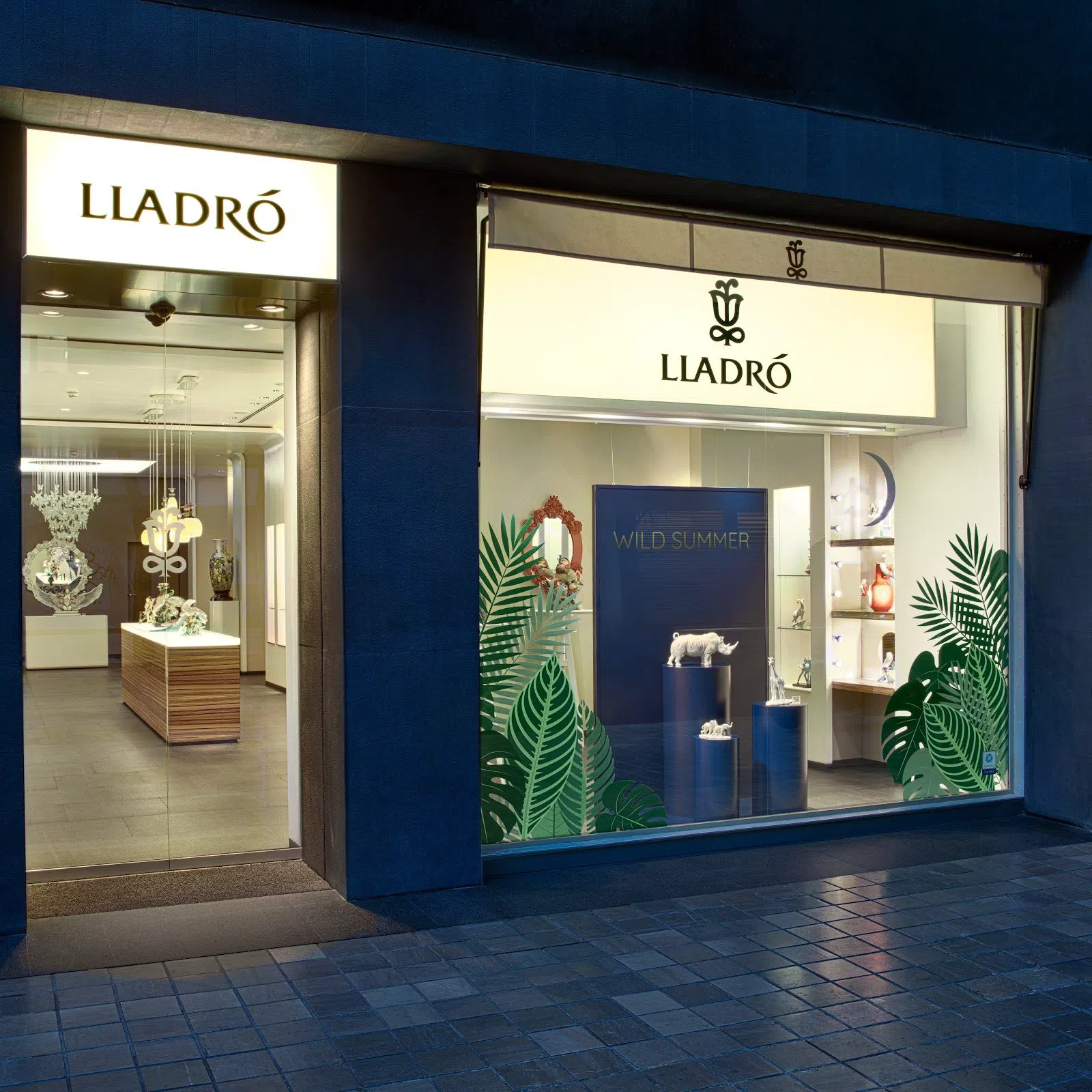
Between the two towns sits the region's most famous living export. Lladró — Ciudad de la Porcelana (the City of Porcelain, about 15 minutes from the centre) offers free guided factory tours, and it's the only place you can watch world-famous Valencian porcelain being modelled, assembled and painted by hand. The tour is free but strictly by appointment — call the day before, because slots are limited and designed for small groups. There's a paid 'Become an Artist' modelling workshop if your group wants to get hands-on, and a high-end boutique on site. Be clear-eyed about what this is: it's a working factory and a brand experience, not a museum, and the boutique prices are boutique. But watching the hand-work up close is the real thing, and it's a fine anchor for a morning if you book ahead.
Make something yourself: the studios
Valencia has a deep bench of ceramics studios, and they are not interchangeable. The right one depends entirely on whether you want to play for an afternoon or actually learn, and whether you're a couple, a solo traveller or a group of eight. Here's how they sort out.
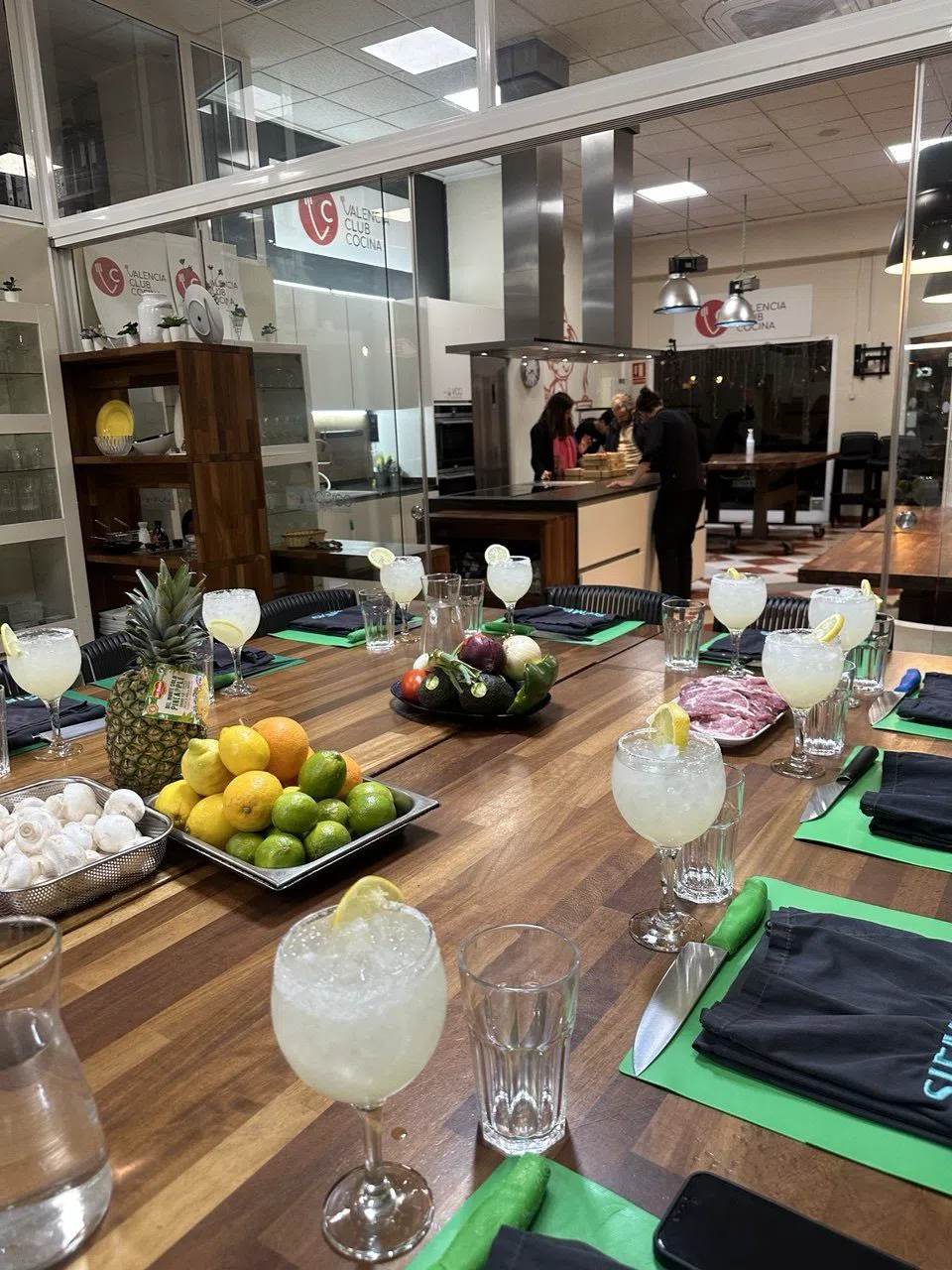
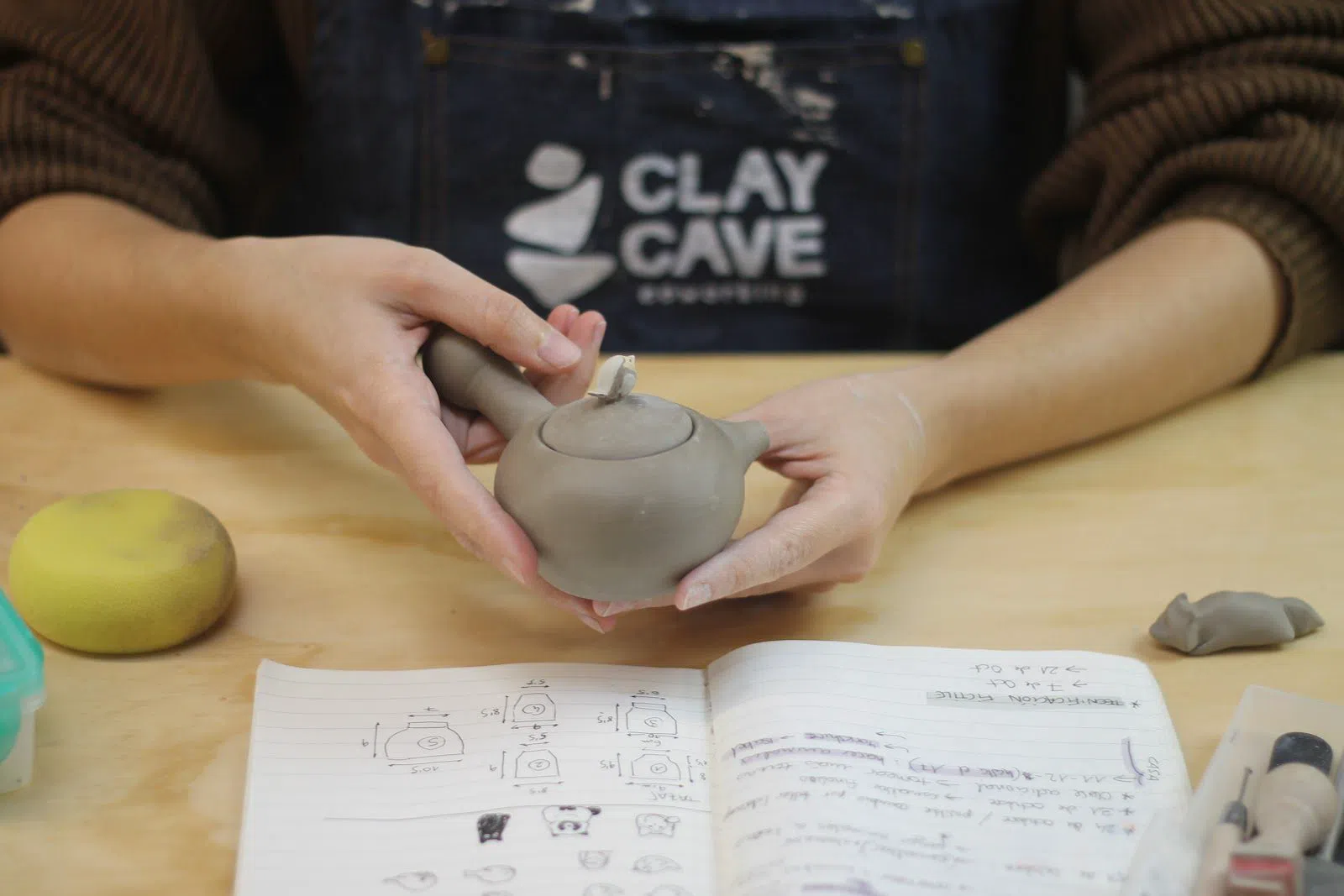
For the most group- and event-oriented option, Clay Cave sits right in buzzy Ruzafa and explicitly runs sessions for groups, events and companies. It's beginner-friendly, drop-in in spirit, and priced around €35–55 a session. If you're travelling as a group and want a sociable hands-on couple of hours with zero pressure, start here.
In a similar sociable register, Saleta — Ceramics & Pottery Studio runs a 'social' pottery format built for groups, birthdays and team events, at roughly €35–50 a workshop. The pitch is hand-building rather than the wheel — no wheel intimidation, no lost-cause lump of spinning clay — so it suits travellers who want a fun, make-your-own afternoon and a finished piece to be proud of, not a masterclass.
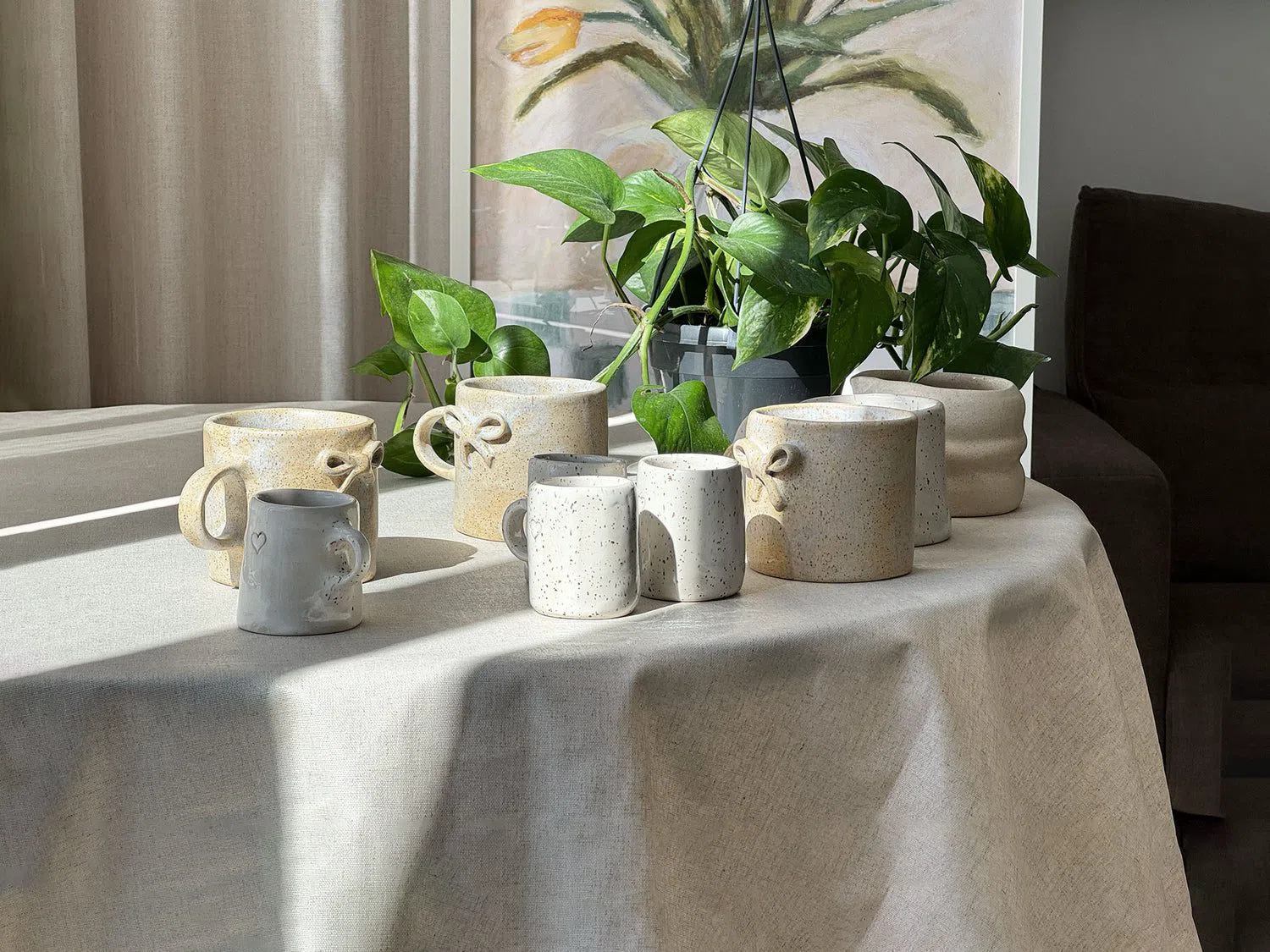
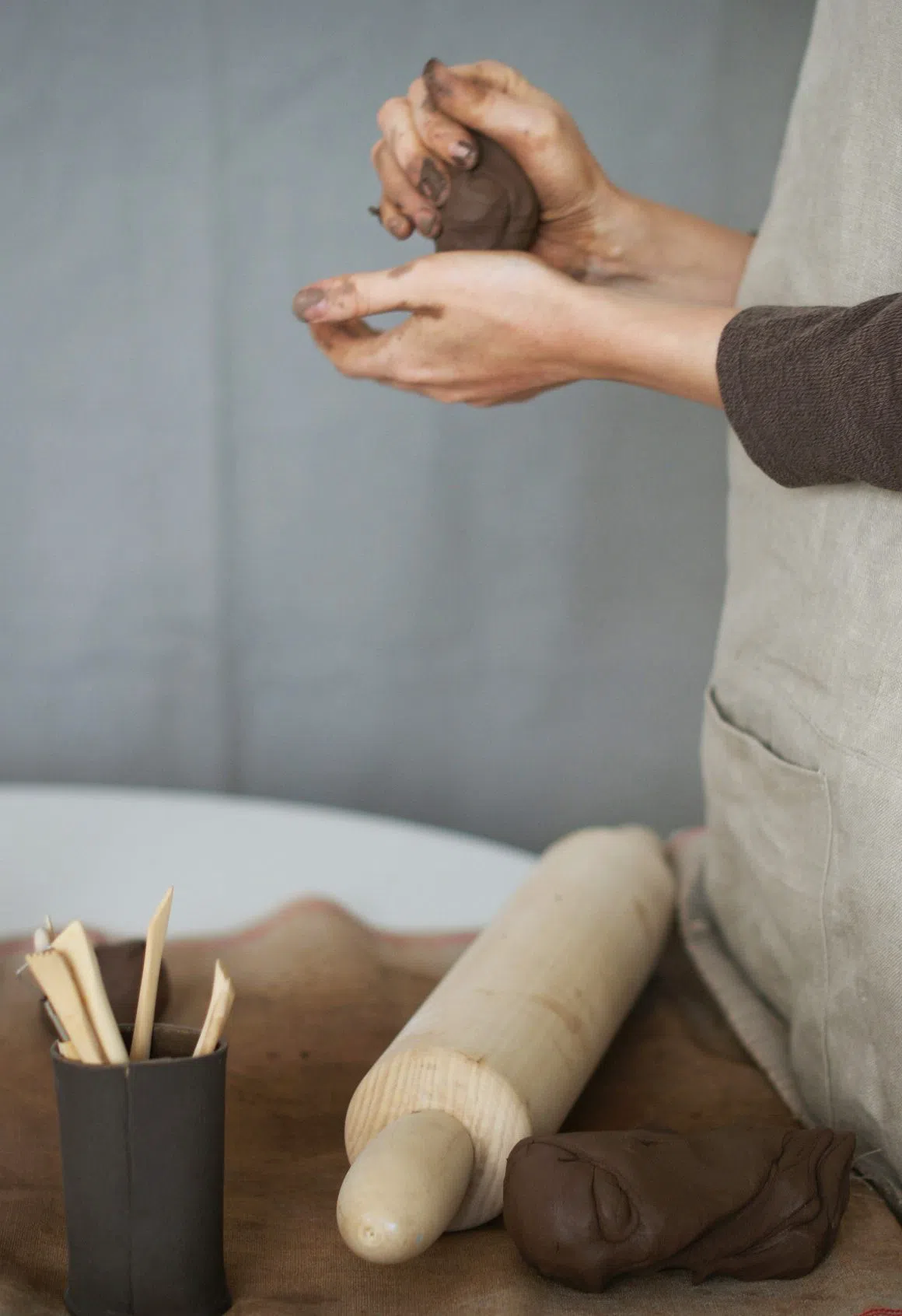
If you'd rather genuinely learn, two studios stand out. Ritual Ceramics runs small guided groups on Fridays and Saturdays, covering both wheel and hand-building, at around €40–60 a session. It's run by a ceramist trained at the EASC in Manises, so the technique credentials are real — this is the pick if you want to come away having actually made a set of something, properly. And Julia Lu Studio caps its small-group classes at eight for genuine individual attention, with private bookings also available, at roughly €40–60 a class. It covers hand-modelling, moulds, decorating and glazing, and it's the one I'd send a couple or a solo traveller to when they want a calm, well-taught session and not to be lost in a crowd.
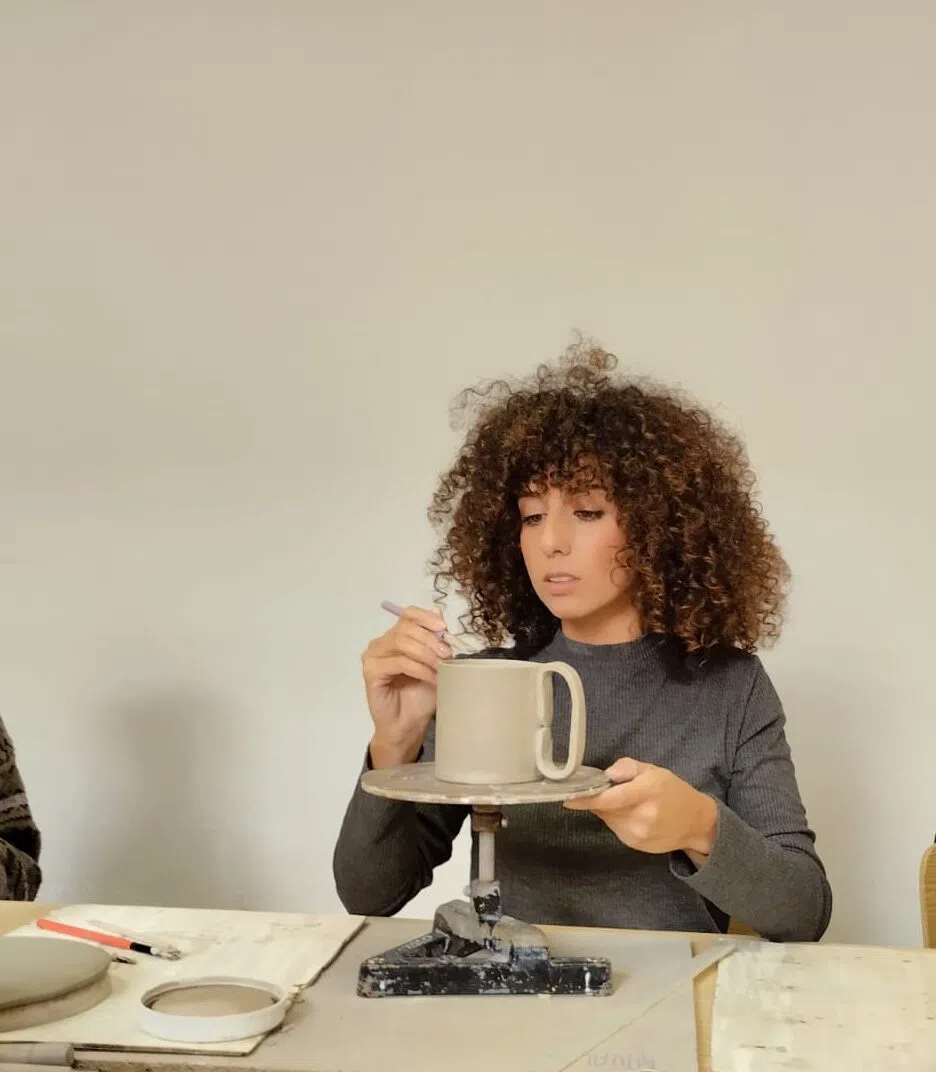
For something broader than a single class, CAM Studio (Ceramic & Art Multispace, in arty Benimaclet) is a neighbourhood creative hub as much as a pottery studio — classes, coworking, a shop and events under one roof, at around €35–55 a session or coworking rates. It hosts groups happily, and it's the right call if your party wants ceramics plus other crafts in one place rather than a single focused workshop. Benimaclet itself, a former village swallowed by the city, is a pleasant, unpolished corner to spend a half-day.
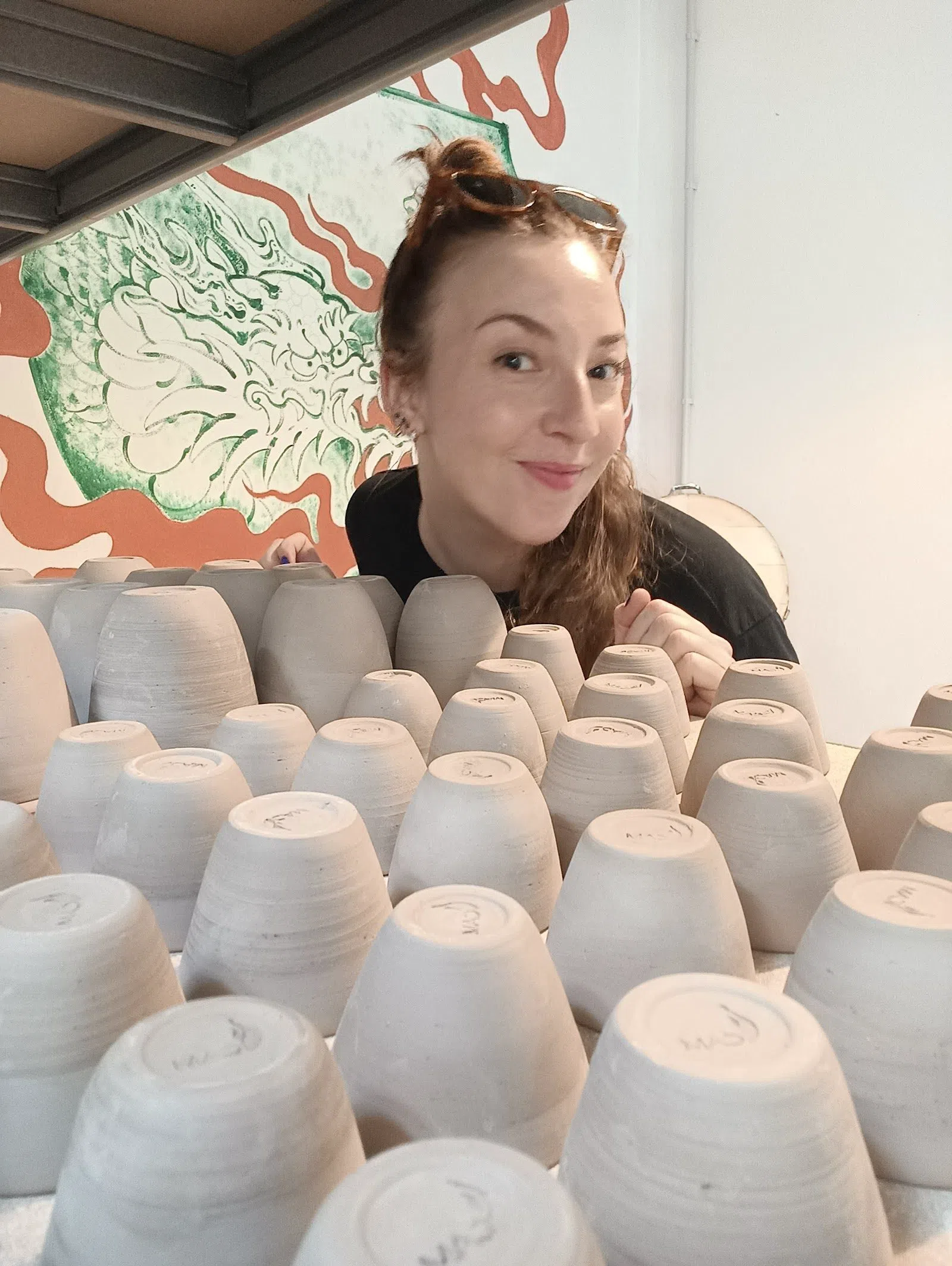
Meet the makers, or go deep
Two options here are for people who want more than a drop-in.
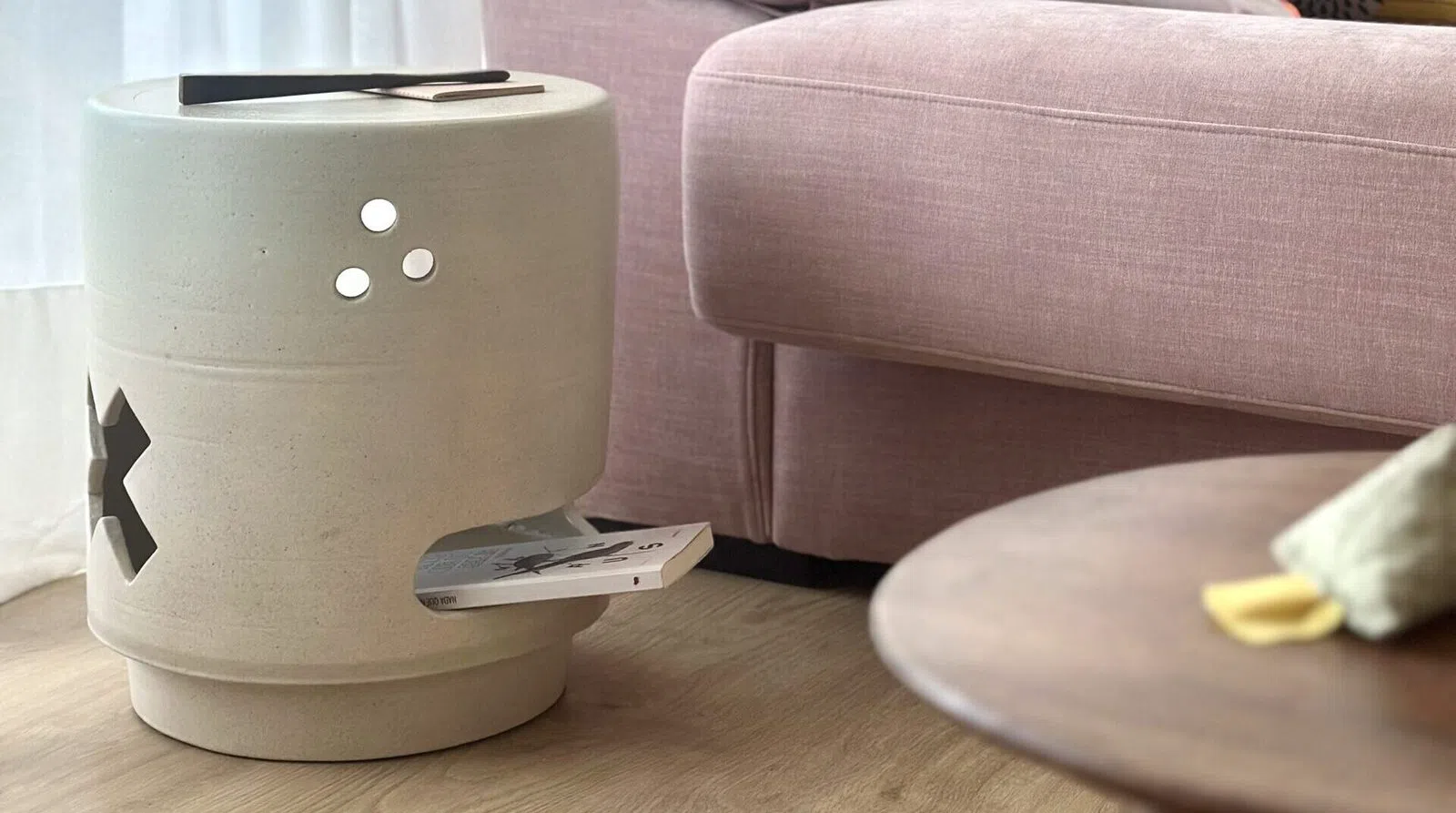
Ana Illueca — Taller de Cerámica is the studio of a genuinely respected contemporary Valencian ceramist. This is boutique and individual — think open-studio events and small workshops rather than big group bookings — and the pieces sit at the mid-to-high end. It's not a tourist-souvenir stop; it's design-led work. The move is to catch one of her 'open studio' dates, meet the maker and see the real thing. If you only want a fridge magnet, this isn't for you; if you care about contemporary Valencian design, it very much is.
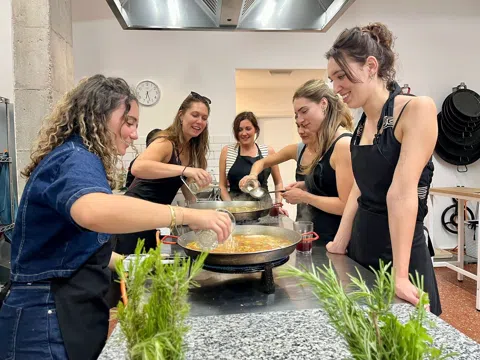
At the other end of the commitment scale, Artesana Escapes is a purpose-built ceramics city-break for small, friendly groups of up to eight, running 1-, 4- and 5-day formats. It's English-friendly and blends wheel and hand-building with Valencian tile painting — a proper immersive package rather than an afternoon, priced at retreat rates. This is the standout for a visitor whose whole trip is built around making, or for a small group of friends who want a shared creative project rather than a checklist of sights. Book well ahead; the small group size is the point and it fills.
Take design home
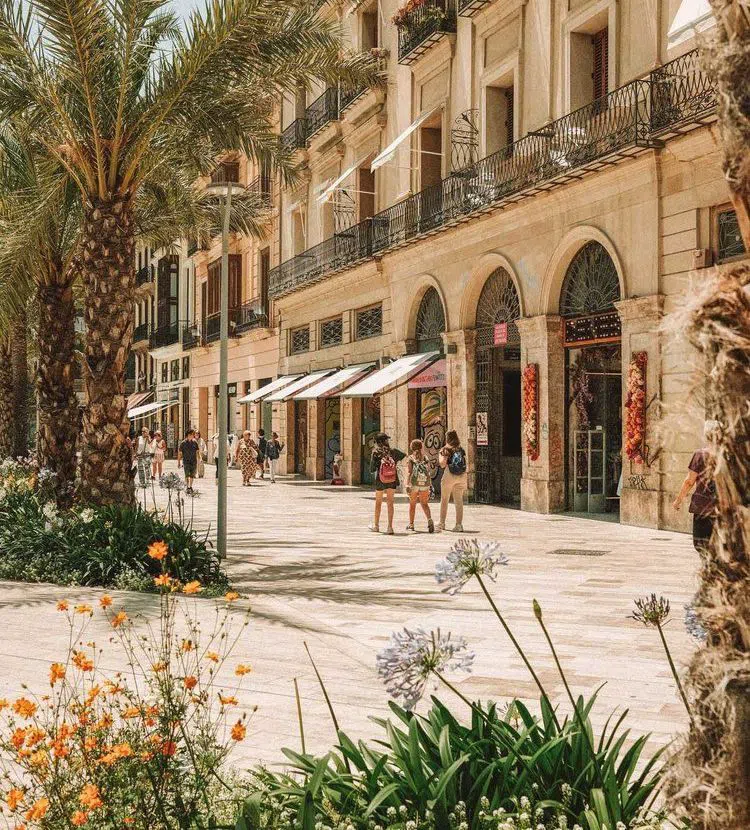
Skip the tourist-strip souvenir shops entirely. Two small, honest boutiques do the job far better.
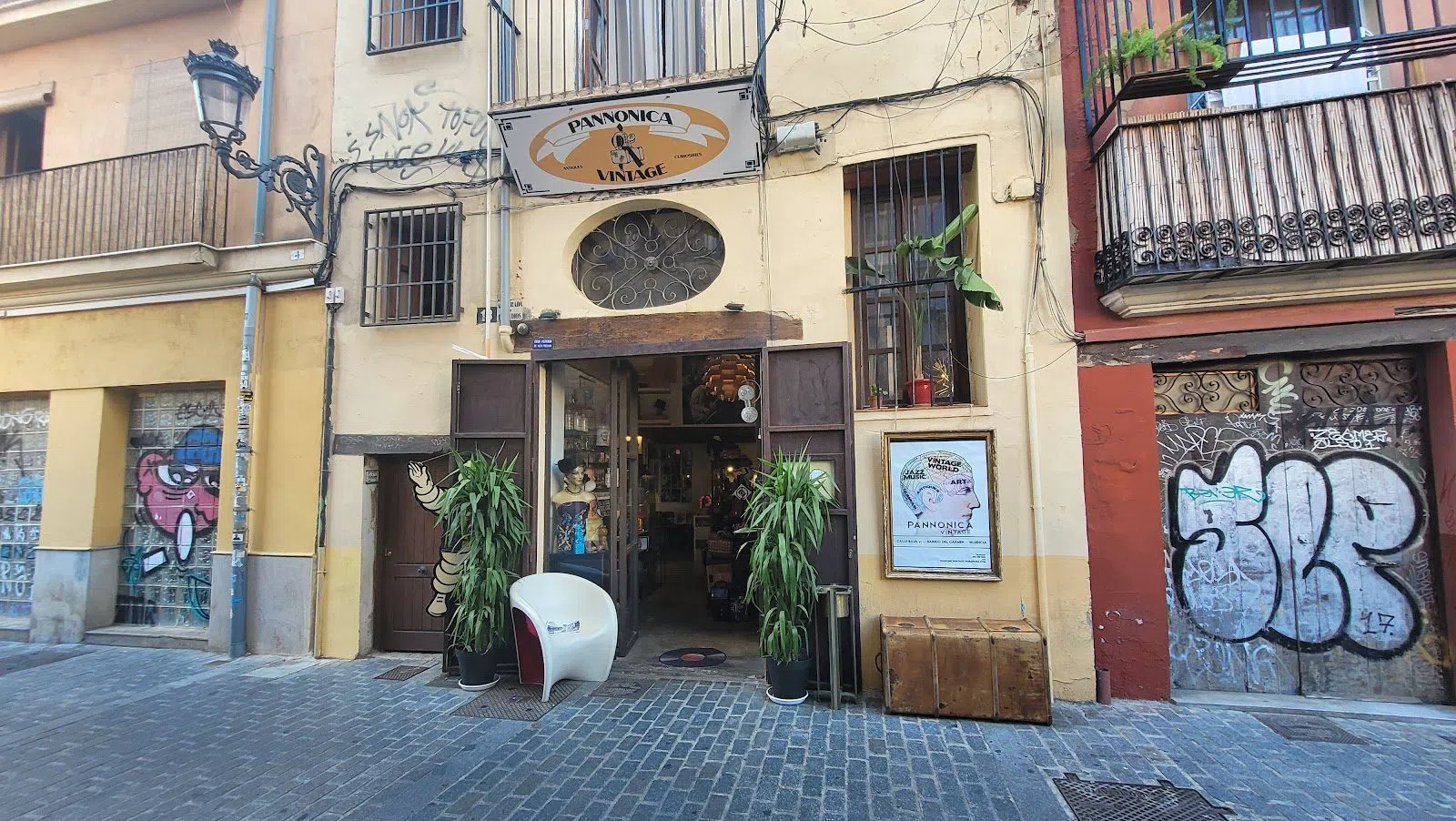
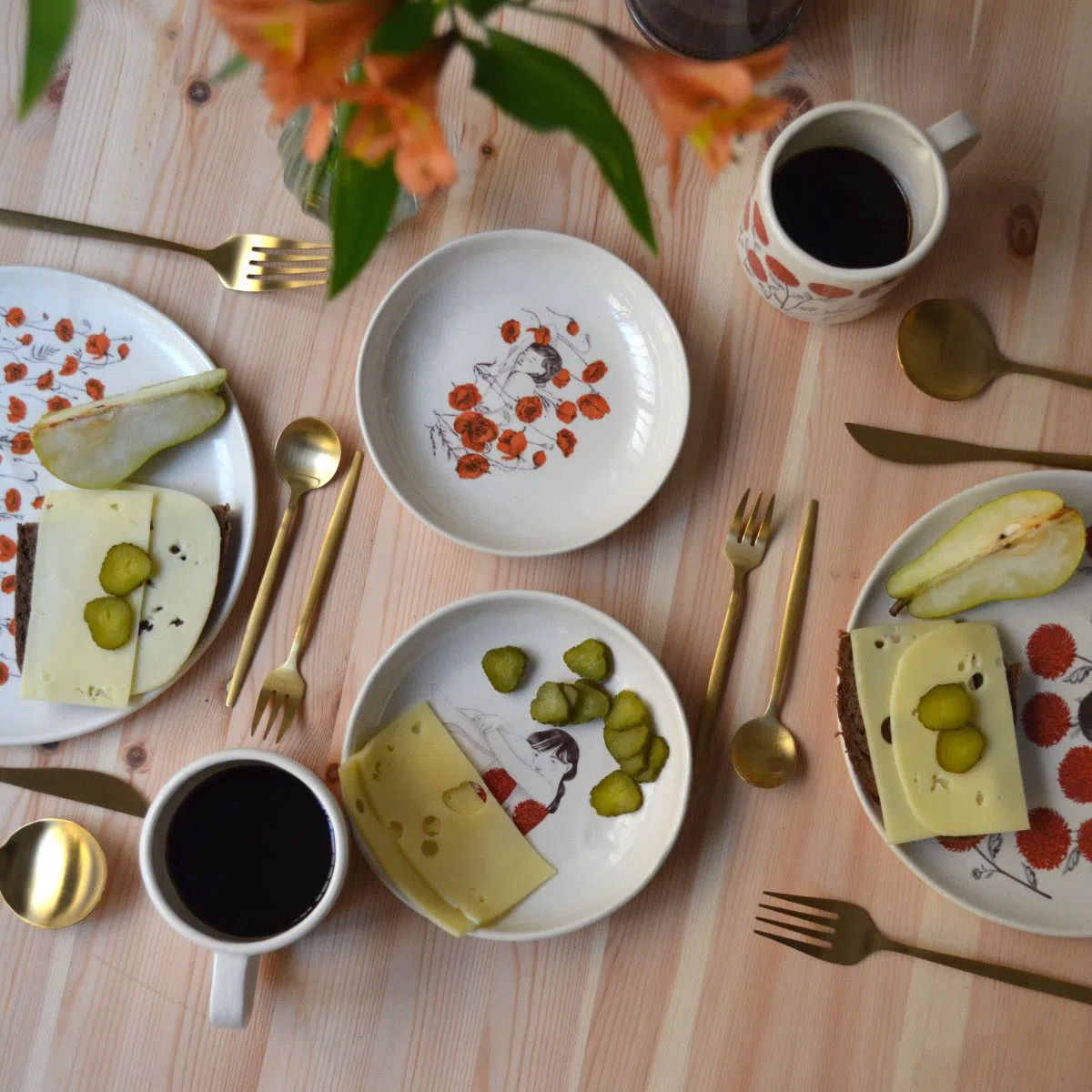
Cecilia Plaza is a charming shop of illustrated ceramics and prints by the Valencian designer herself — often the woman behind the counter. It's a small retail space suited to individuals or pairs rather than groups, with affordable-to-mid gifts, and it's the best kind of design souvenir: made by someone local, with a face attached. For mid-century hunters, Pannonica Vintage (now on carrer Baixa / c/ Baja) is a tightly curated vintage shop that rewards a slow rummage. It's compact — browse in ones and twos, not as a group — and prices reflect collectible vintage, so come to look properly rather than to grab-and-go.
Practical notes
Getting around. The city core — González Martí, CCCC, and the Ruzafa and El Carmen studios — is comfortably walkable or a short bike ride. For the tile towns, Manises is a straightforward metro ride, and Meliana (for the Nolla villa) and Lladró's factory are short hops out of the centre; give each a proper half-day rather than trying to chain them. If you want to combine the region's ceramic heavyweights, Manises and Lladró can pair into one out-of-town morning with planning.
Booking. The museums (González Martí, MCM, CCCC) are walk-in. Everything else that matters here needs advance contact: Lladró's free tour is by appointment (call the day before), the Nolla villa's guided visit is by booking, and the studios and Artesana Escapes fill their small slots quickly. Don't arrive hoping to join a class same-day.
Money. Prices are in euros. The museums are genuinely cheap (€2–3, with free windows at González Martí on Saturday afternoons and Sundays). Single studio sessions run roughly €35–60; the multi-day Artesana Escapes and the Lladró boutique are the big-ticket items. Carry a little cash for the smaller municipal museums and the donation-tier Nolla visit.
Timing. Remember González Martí is closed Mondays, so front-load it. Ritual Ceramics runs weekend classes only. If your dates are movable, the 2026 International Ceramic Biennial in Manises is the single best time to see the craft as a living thing rather than a display.
Where to stay. Base yourself in or near the old centre or Ruzafa to keep the walkable half of this trip on your doorstep — start a Valencia hotel search there. For the rest of the city beyond its clay, our Valencia guide covers the essentials.
Done properly, this is a two- to three-day thread rather than a single day: a museum morning to learn the language, a town or two to see where it was made, an afternoon with your own hands in the clay, and a small, honest shop on the way out. Valencia won't push any of it on you. That's rather the charm.
Before you go
Where should I start to understand Valencia's tile and ceramics heritage?
Begin at the Museo Nacional de Cerámica "González Martí", Spain's national ceramics museum, in the old centre. Entry is around €3 (free Saturday afternoons and Sundays), and it gives you the vocabulary to read the tiles you'll see everywhere else. Note it's closed Mondays, so plan around that.
Can I watch Lladró porcelain being made?
Yes. Lladró's Ciudad de la Porcelana, about 15 minutes from the centre, runs free guided factory tours where you can watch the porcelain modelled and painted by hand — but strictly by appointment, so call the day before, as slots are limited and designed for small groups. There's also a paid modelling workshop and an on-site boutique.
Which Valencia pottery studio is best for a group versus a couple?
For groups and events, Clay Cave in Ruzafa and Saleta are built for sociable, beginner-friendly sessions (around €35–55). For a couple or solo traveller wanting a calm, well-taught class, Julia Lu Studio caps groups at eight, and Ritual Ceramics offers serious technique on weekends. CAM Studio in Benimaclet suits groups wanting ceramics plus other crafts.
Are the Manises and Meliana ceramics day-trips worth it?
If you're genuinely interested in ceramics, yes. Manises is a thousand-year ceramics town with a small museum (around €2) and a craft-workshop trail, a short metro ride away. Meliana's Palauet de Nolla is a pilgrimage for tile lovers — the original micro-mosaic factory villa, visited by booking. If mosaics don't move you, skip Nolla and spend longer in Manises.
When is the 2026 Manises Ceramic Biennial and why time a trip around it?
The 2026 International Ceramic Biennial takes place in Manises, and if your dates are flexible it's the best time to visit: studios across the town open their doors, so you see working kilns and living craft rather than glass cases. Pair it with a stop at the Museu de Ceràmica de Manises.